
Technology Giant Patents Innovative Laptop Input Method
DUBAI, UAE – A leading global technology firm has filed a patent for a novel laptop design concept centered on a touch-sensitive palmrest, signaling a potential shift in how users interact with computing devices. The patent application, which surfaced in early May 2026, describes a system aimed at reducing reliance on traditional modifier keys for shortcuts.
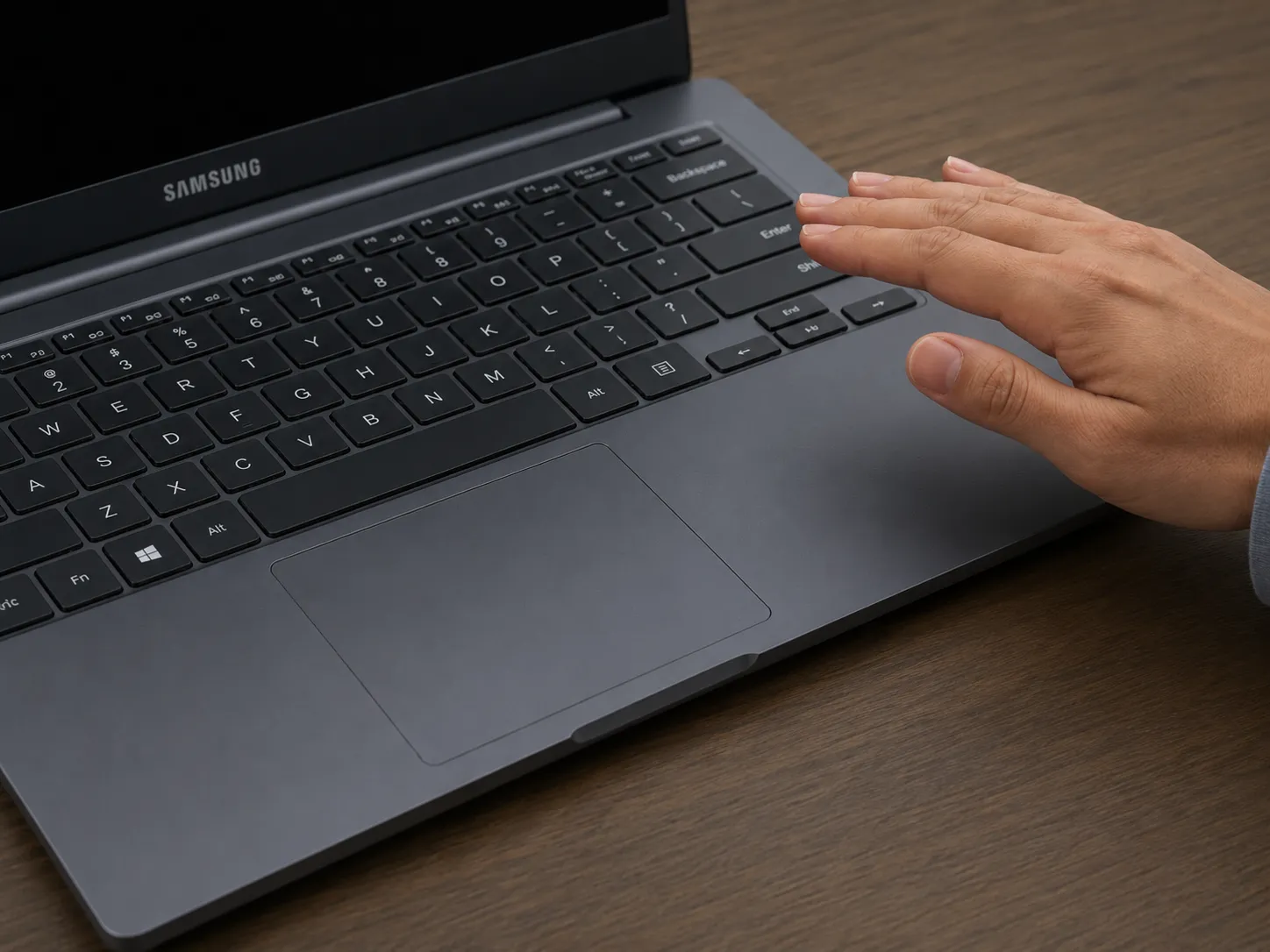
The patented concept introduces sensors embedded within the laptop’s palmrest. These sensors are designed to detect whether a user’s hand is resting on the surface or has been lifted away. Depending on this state, the system would reinterpret standard key presses, routing them through different functional layers. For instance, when a hand is on the palmrest, keys would function normally for text input. However, when the hand is lifted, the same keys could trigger shortcut commands such as “copy,” “undo,” or “paste,” or even media and volume controls.
Rethinking User Interface Through Patent Protection
This intellectual property filing highlights a strategic effort to innovate fundamental aspects of human-computer interaction. The primary objective is to streamline the execution of common shortcuts, moving away from multi-key combinations like Ctrl+C. Instead, the proposed method envisions a sequential interaction where lifting the hand from the palmrest acts as the modifier, followed by a single key press.
While the patent outlines a detailed conceptual framework, it is crucial to note that such filings frequently describe exploratory ideas that may not culminate in commercial products. The application does not provide specifics on the underlying sensing technology—whether it’s capacitive, pressure-based, or optical—nor does it detail how the system would differentiate between intentional hand removal for a shortcut versus a momentary shift in wrist position during normal typing. These technical specifics are vital for practical implementation and would likely be subject to further research and potential subsequent patent refinements.
Industry Context and Future Implications
The patented approach falls within a broader lineage of research into enhancing input channels through touch-sensitive surfaces beyond the keyboard. Previous academic projects, such as those exploring graphene-based capacitive fabrics for gestural interactions or early multi-touch tablet prototypes, underscore a long-standing interest in expanding the vocabulary of human-computer interaction.
A key challenge for this patented innovation, should it progress to a product, lies in user adoption. Most individuals have developed strong muscle memory for existing modifier-key shortcuts, and adapting to a new input model based on hand placement would necessitate significant adjustment. For the system to gain widespread acceptance, it would need to demonstrate clear advantages in speed, accuracy, and ease of learning compared to established methods.
However, the patent also hints at potential applications beyond conventional clamshell laptops. The flexibility of distributing sensors across various parts of the device body suggests a strategic consideration for unconventional form factors, such as dual-screen or foldable devices, where a traditional palmrest might not exist. In such contexts, a body-position sensing input model could offer a more intuitive and practical solution than conventional chord shortcuts.
Further developments, including more specific technical patent filings detailing the sensing technology and mitigation of false triggers, as well as any indications from the company regarding target hardware (conventional versus unconventional devices), will be critical in assessing the commercial viability and broader impact of this intellectual property.