Navigating the AI Frontier: Emerging Legal Strategies for Protecting Personal Likeness and Intellectual Property
The rapid advancement of artificial intelligence (AI) technologies is presenting novel challenges to existing legal frameworks, particularly concerning intellectual property rights, commercial law, and the protection of individual likeness and voice. As AI tools become increasingly sophisticated in replicating human attributes, legal experts globally are exploring innovative strategies to safeguard personal identity and prevent misuse in commercial contexts. This evolving landscape holds significant implications for regulatory compliance and corporate governance across the GCC, as jurisdictions worldwide grapple with establishing clear boundaries in the digital realm.
Trademarking Likeness: A Proactive Stance Against AI Misappropriation
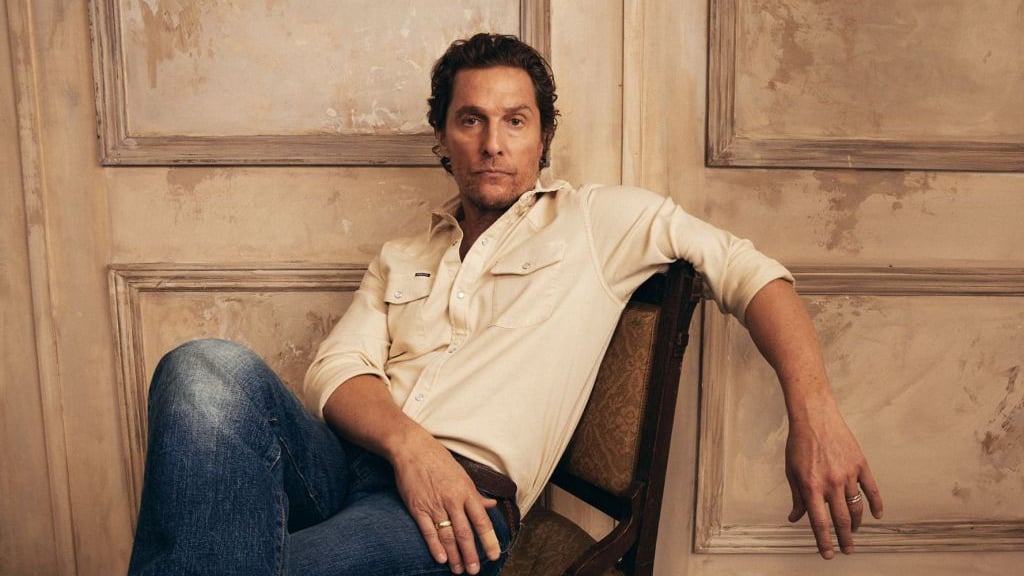
A notable development in this area involves proactive measures taken by public figures to secure legal protection for their image and vocal attributes. Reports indicate that a prominent actor has successfully registered eight trademark applications aimed at safeguarding his likeness and voice from unauthorised use by AI. These trademarks are understood to cover various aspects of his public persona, including specific imagery and quotations from his work, with the explicit goal of establishing a clear perimeter of ownership.
The stated intent behind these trademark registrations is to ensure that any deployment of the actor’s voice or likeness is contingent upon his express approval and consent. This approach underscores a growing desire among individuals to maintain control over their digital identities and commercial endorsements in an AI-driven environment, promoting a norm of consent and attribution.
Addressing the Gaps in Existing Legal Frameworks
While many jurisdictions possess “right-of-publicity” laws designed to prevent the commercial use of an individual’s likeness without consent, the advent of generative AI introduces complexities that challenge the adequacy of these existing provisions. Legal commentators suggest that supplementary measures, such as enhanced trademark protections, may serve as an effective deterrent against potential misuse by AI technologies.
The entertainment industry has also begun to integrate new contractual protections into agreements, specifically addressing AI representations. For instance, recent industry negotiations have resulted in provisions aimed at preventing the creation of AI-generated replicas of performers without their explicit consent. However, some legal scholars advocate for even stronger safeguards, proposing rights that would empower estates to ensure digital deletion and prevent “digital resurrection” of deceased individuals, highlighting the profound ethical and legal dimensions of AI.
Global Implications for Commercial and Regulatory Landscape
These international discussions and legal innovations underscore a critical need for jurisdictions worldwide, including those in the GCC, to continuously evaluate and adapt their legal and regulatory frameworks. The protection of intellectual property, commercial rights, and individual privacy in the age of AI is paramount. As businesses increasingly leverage AI, the clarity of laws governing digital likeness and content generation will be crucial for fostering innovation while ensuring ethical compliance and preventing commercial exploitation. The ongoing global dialogue provides valuable insights for developing robust legal frameworks that address the unique challenges presented by advanced AI technologies.