
Abu Dhabi Establishes Novel IP Commercialization Framework to Propel Knowledge Economy Abu Dhabi, UAE – Khalifa University of Science and Technology, a prominent research institution in the UAE, has launched an innovative commercialization and investment entity, Khalifa University Enterprises Company (KUEC). Established in November 2021 with an AED 100 million endowment, KUEC represents a strategic move to accelerate the conversion of academic research into market-ready products and ventures, aligning with the UAE’s broader economic diversification and knowledge-based economy initiatives. KUEC’s establishment underscores a growing trend within GCC research universities to develop sophisticated technology transfer operations, adapting international best practices to regional funding and governance structures. This development is set against the backdrop of the UAE’s modernized legal framework for intellectual property. Modernized Intellectual Property Protections in the UAE The operational foundation for KUEC’s licensing and enforcement activities is anchored in UAE Federal Law No. (11) of 2021 on the Regulation and Protection of Industrial Property Rights. This pivotal legislation, effective since late 2021, comprehensively replaced the nation’s previous patent law. The law standardizes patent protection, requiring inventions to meet criteria of novelty, inventive step, and industrial applicability. It grants a patent term of 20 years from the filing date and notably introduced a 12-month grace period for specific pre-filing disclosures, alongside provisions for accelerated examination of urgent applications. This robust legal framework provides a crucial environment for universities and innovators to protect their intellectual assets effectively. A Distinct Approach to University IP Commercialization KUEC operates as a business and investment arm, designed to manage the university’s research assets, including patents, proprietary know-how, and researcher-led ventures. Its mission is to enhance business engagement with the university, particularly in key technological domains such as energy, advanced manufacturing, health, artificial intelligence, and robotics, where Khalifa University maintains a substantial patent portfolio. Structurally, KUEC integrates functions often separated in other jurisdictions: an “Innovation Acceleration and Startups” unit supporting company formation, and “KU Ventures” for investing in and operating technology companies originating from the university’s research base. This integrated model, combining IP management, startup incubation, and venture investment under one umbrella, reflects a unique organizational choice within the region. Innovative Funding and Governance A distinguishing feature of KUEC is its endowment-based funding model. The AED 100 million endowment is professionally managed in a diversified global portfolio, with third-party financial institutions overseeing investment and custodial services. This patient capital structure largely decouples KUEC’s operational stability from fluctuating annual licensing revenues, offering a sustainable financial framework. External entities are also engaged to review the university’s patent portfolio for commercial viability and support broader startup growth within the UAE. Khalifa University has reported significant growth in its patent portfolio, with a projected increase to 60 granted patents by 2025. This surge in intellectual property generation is being leveraged through KUEC and the Khalifa Innovation Center, a deep-tech incubator, to foster the formation of research-led ventures and enhance their market visibility. Strategic Alignment with National Economic Visions KUEC’s establishment is strategically aligned with Abu Dhabi’s and the UAE’s overarching economic diversification strategies. As a state-affiliated institution, Khalifa University’s commercialization mandate, through KUEC, directly contributes to national objectives of reducing reliance on hydrocarbon revenues and cultivating homegrown technology sectors. This approach resonates with similar initiatives across the GCC, such as Saudi Arabia’s King Abdullah University of Science and Technology (KAUST) and its explicit ties to Saudi Vision 2030, which also leverage university-originated intellectual property for national development. In the UAE, the absence of a direct statutory equivalent to the U.S. Bayh-Dole Act means that ownership and commercialization rights over federally or university-funded inventions are primarily governed by institutional policy and individual research funding agreements. This places significant emphasis on the design and implementation of institutional IP and commercialization policies, making frameworks like KUEC critical determinants of how innovation proceeds from laboratory to market. This development at Khalifa University highlights the GCC’s proactive steps in building robust legal and commercial frameworks to support an innovation-driven economy, setting a precedent for intellectual property commercialization in the region.

UAE Launches Free Patent & Design Registration for Student Inventors, People of Determination
UAE Cabinet Waives Industrial Property Fees for Student Inventors and People of Determination Abu Dhabi, UAE – The UAE Cabinet has implemented a new resolution, effective September 14, 2026, to exempt student inventors and people of determination from a range of industrial property service fees. This strategic move aims to bolster the nation’s innovation landscape and enhance access to intellectual property (IP) protection mechanisms. Cabinet Resolution No. 136 of 2026 introduces full waivers for 29 distinct industrial property services. While all beneficiaries are exempt from fees for 20 services, specific exemptions apply to each group. Key Exemptions Detailed Under the new regulatory framework, both student inventors and people of determination will benefit from fee waivers for 11 core services. These include applications for patent registration, industrial design registration, integrated circuit layouts, and utility certificates. Additionally, the waivers cover the initial substantive examination and subsequent re-examination of utility certificates, publication of registration, and the annual protection fees for the second, third, fourth, and fifth years. The original charges for these services previously ranged from Dh100 to Dh1,000. Furthermore, people of determination will receive exemptions for an additional nine services, which previously incurred fees between Dh1,000 and Dh9,000. Student inventors are also granted waivers for nine other services, with prior costs ranging from Dh500 to Dh4,500. Strategic Impact on Innovation and IP Ecosystem The Ministry of Economy and Tourism (MOET) highlighted that these fee waivers are designed to lower the financial barriers associated with protecting innovations. The initiative is expected to encourage students and people of determination to convert their research and creative outputs into protected industrial property assets, paving the way for further development and investment opportunities. A senior official from the Intellectual Property Sector at MOET noted that the resolution will significantly increase participation in the national IP ecosystem. This measure is crucial for solidifying the UAE’s standing as a prominent global hub for creativity and the new economy. The Ministry further confirmed its ongoing efforts to advance the digital infrastructure supporting patent, industrial design, and utility certificate services, ensuring a streamlined and efficient process for applicants. These regulatory enhancements coincide with a period of growth in the UAE’s IP landscape. The Ministry recorded a nine per cent increase in patent applications during the first half of 2026 compared to the same period in 2025. Utility certificate applications also saw a substantial rise of 21.43 per cent over the same timeframe. The total number of registered applications for patents, utility certificates, and industrial designs in the country now stands at 22,184.
IP ownership in GCCs: Drafting, assignments, transfer pricing considerations and protection strategy – Bar and Bench
IP ownership in GCCs: Drafting, assignments, transfer pricing considerations and protection strategy Bar and Bench

UAE Reviews Resolution on Intellectual Property Exemptions for Student Inventors
UAE Implements New Fee Exemptions for Industrial Property Rights Dubai, UAE – The United Arab Emirates has commenced the implementation of Cabinet Resolution No. 136 of 2026, a significant legislative development aimed at fostering innovation by exempting student inventors and People of Determination from various industrial property service fees. The Ministry of Economy and Tourism (MOET) has confirmed the activation of this resolution, underscoring the nation’s commitment to strengthening its intellectual property (IP) ecosystem. This strategic move seeks to cultivate a supportive environment for innovators and talent, streamlining access to IP protection services, safeguarding intellectual output, and facilitating the registration and protection of industrial property rights across the UAE. A representative from the Ministry’s Intellectual Property Sector highlighted the UAE’s proactive stance in developing a robust legislative and regulatory framework for industrial property rights, encompassing patents and industrial designs. This framework aligns with international best practices and standards, evidenced by the Federal Law on the Regulation and Protection of Industrial Property Rights and the UAE’s accession to international agreements such as the Locarno Agreement for industrial designs. These efforts are designed to establish an attractive national environment for inventors, entrepreneurs, and businesses. The Cabinet resolution is seen as a tangible expression of the UAE’s vision to champion creativity and innovation. By alleviating the financial burden of IP registration and protection for student inventors and People of Determination, the government aims to enhance their participation in the national IP landscape, ensuring they can readily access and benefit from available services and enablers. This initiative is expected to further solidify the UAE’s standing as a global hub for innovation and the new economy. The Ministry continues to advance the digital infrastructure supporting its IP services, including those for patents, industrial designs, and utility certificates. This digital transformation is anticipated to boost service efficiency, accelerate registration and protection procedures, and offer a more fluid experience for inventors and business owners, in harmony with the objectives of the ‘We the UAE 2031’ vision. The resolution, effective from 14th September, 2026, introduces comprehensive fee exemptions for 29 distinct services. Of these, 11 services specifically benefit both student inventors and People of Determination, covering critical processes such as patent registration applications, industrial design registration, integrated circuit layouts, utility certificates, initial and re-examinations of utility certificates, publication of registration, and the annual fees for the second through fifth years of industrial property protection. The original costs for these services typically ranged from Dhs100 to Dhs1,000. Furthermore, the resolution extends exemptions for nine additional services exclusively for People of Determination, which previously incurred fees between Dhs1,000 and Dhs9,000. Similarly, student inventors receive exemptions for nine other services, with prior fees ranging from Dhs500 to Dhs4,500. These exemptions are poised to significantly reduce the cost barrier to protecting innovations, thereby encouraging greater registration of research outputs and their transformation into industrial property assets with potential for further development and investment. Reflecting a growing interest in intellectual property protection, MOET reported a 9 percent increase in patent applications during the first half of 2026 compared to the same period in 2025. In 2025, the total number of patent applications reached approximately 4,361. Utility certificate applications also witnessed substantial growth, increasing by 21.43 percent in the first half of 2026 relative to the corresponding period in 2025. Cumulatively, the UAE has registered 22,184 applications for patents, utility certificates, and industrial designs to date, signalling a robust and expanding commitment to intellectual property rights among innovators and corporations.

UAE Introduces Patent Fee Waivers for Students and People of Determination
UAE Introduces Significant Fee Exemptions for Intellectual Property Protection Abu Dhabi, UAE – The United Arab Emirates has enacted a new Cabinet resolution introducing substantial fee waivers for intellectual property (IP) services, specifically benefiting student inventors and People of Determination. The move aims to enhance accessibility to the national IP ecosystem and foster innovation across the country. Under the new regulatory framework, both student inventors and People of Determination are now exempt from fees for eleven distinct IP services. These services, which previously incurred costs ranging from AED 100 to AED 1,000, include critical stages of IP protection such as applications for patent and industrial design registration, applications for integrated circuit layouts and utility certificates, first substantive examinations, re-examinations for utility certificates, and publication of registration. Additionally, annual industrial property protection fees for the second, third, fourth, and fifth years are also waived for these categories. Further expanding the scope of support, People of Determination qualify for exemptions on nine additional services, which previously carried fees between AED 1,000 and AED 9,000. Similarly, student inventors benefit from exemptions on another nine services, with prior costs ranging from AED 500 to AED 4,500. Authorities stated that these reforms are designed to simplify the process for eligible applicants to safeguard their research and inventions, facilitating their development into commercially valuable industrial property assets. This initiative underscores the nation’s commitment to nurturing a vibrant environment for creativity and innovation. Officials highlighted that the resolution reinforces the UAE’s strategic vision of promoting innovation by empowering student inventors and People of Determination. This enables them to register their innovations with greater ease and secure their rights, thereby increasing their engagement within the national intellectual property framework and contributing to the UAE’s standing as a global centre for creativity and the new economy. In parallel with these fee exemptions, efforts are underway to enhance digital services for patents, industrial designs, and utility certificates. These improvements are intended to streamline registration procedures, making them faster and more efficient for all applicants. The measures are part of a broader strategy to fortify the UAE’s intellectual property framework, encompassing legislative developments concerning industrial property rights and strengthened international cooperation, including agreements like the Locarno Agreement on industrial design classification. These significant regulatory adjustments come amidst a period of notable growth in IP protection applications within the UAE. Statistics indicate a 9 per cent increase in patent applications during the first half of 2026 compared to the same period in the previous year, with approximately 4,361 patent applications recorded in 2025. Applications for utility certificates also saw a substantial rise of 21.43 per cent during the first six months of 2026 compared to the corresponding period in 2025. The total number of registered applications for patents, utility certificates, and industrial designs in the UAE has now reached 22,184, reflecting a robust and expanding innovation landscape. The new fee waivers are expected to further stimulate this growth, encouraging more individuals to formally protect their intellectual creations.
UAE Waives Intellectual Property Registration Fees for Student Inventors and People with Disabilities
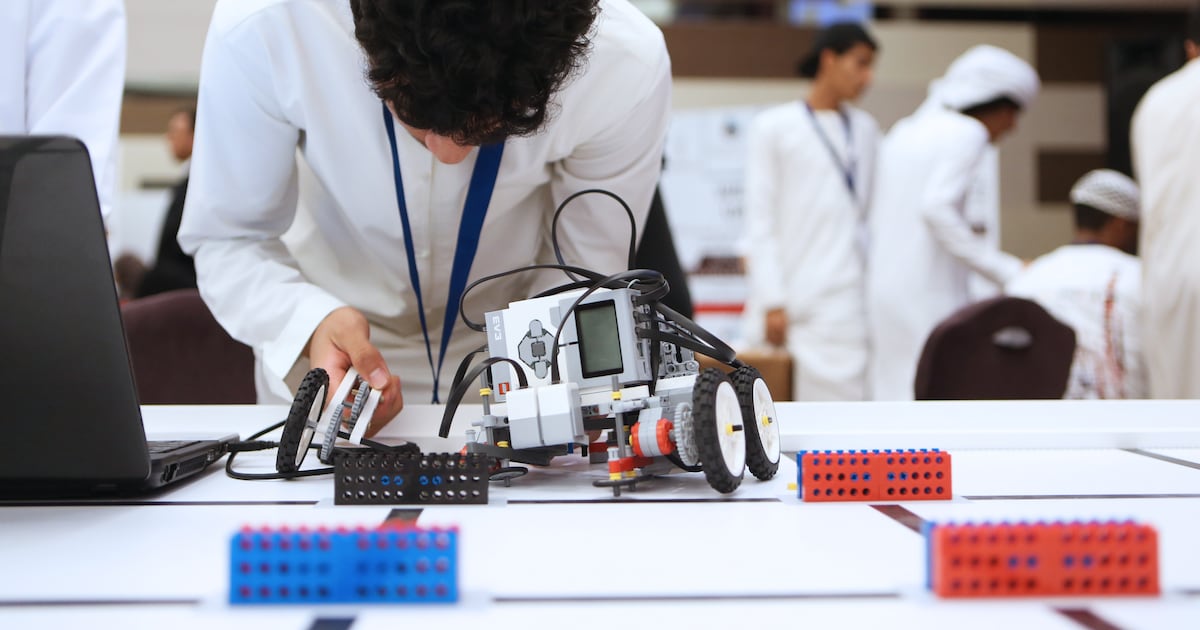
UAE Pioneers Intellectual Property Fee Exemptions for Student Innovators and People of Determination Abu Dhabi, UAE – The United Arab Emirates has initiated a significant regulatory reform by waiving intellectual property registration fees for student inventors and people of determination, aiming to dismantle financial barriers to innovation. This strategic move, effective from September 14, follows the implementation of Cabinet Resolution No 136 of 2026 by the Ministry of Economy and Tourism. The comprehensive fee exemption program extends across 29 distinct services pertaining to patents, industrial designs, utility certificates, and integrated circuit layouts. This legislative amendment underscores the UAE’s commitment to cultivating a vibrant ecosystem for creativity and technological advancement. Details of the Exemptions Both student inventors and people of determination will benefit from full exemptions on 11 shared intellectual property services. These include applications for patent and industrial design registrations, examinations for utility certificates, and the annual protection fees spanning the second through fifth years. Previously, these specific fees ranged from AED 100 to AED 1,000. In addition to these shared benefits, people of determination are granted further exemptions on nine separate services, which previously incurred charges of up to AED 9,000. Similarly, student inventors receive waivers on another set of nine distinct services, for which original fees could reach up to AED 4,500. Fostering Innovation and Inclusivity Commenting on the new resolution, Abdulrahman Al Muaini, Assistant Undersecretary for the Intellectual Property Sector at the Ministry, affirmed that the measure reflects the UAE’s dedication to establishing a robust legislative framework that aligns with global best practices. He highlighted the Cabinet resolution’s role in advancing the nation’s vision to foster creativity and innovation by empowering student inventors and people of determination, facilitating the registration of their innovations, and safeguarding their intellectual rights. Growth in Intellectual Property Applications The introduction of these fee exemptions coincides with a notable increase in demand for intellectual property protection within the UAE. The Ministry’s records indicate a 9 percent rise in patent applications during the first half of 2026 compared to the corresponding period in 2025. Furthermore, utility certificate applications witnessed a 21 percent growth over the same timeframe. In 2025, the total number of patent applications reached approximately 4,300. Cumulatively, the nation has registered 22,184 applications across patents, utility certificates, and industrial designs, signaling a burgeoning interest among innovators and enterprises in securing their industrial property rights. Looking ahead, the Ministry continues to advance its digital infrastructure for intellectual property services, a key initiative aligned with the broader objectives of the “We the UAE 2031” national vision.

UAE Regulatory Update: New Fee Waivers Cut Patent Costs for Student Inventors
UAE Implements Fee Exemptions for Industrial Property Registration to Boost Innovation Dubai – The United Arab Emirates has introduced significant fee exemptions for industrial property services, making the registration and protection of innovations more accessible to student inventors and People of Determination. This strategic move, effective from September 14, 2026, underscores the nation’s commitment to strengthening its intellectual property (IP) framework and fostering a vibrant ecosystem for innovation. The Ministry of Economy and Tourism (MOET) announced that the exemptions are part of an amendment to Cabinet Resolution No. 136 of 2026, covering 29 industrial property services. This initiative aims to reduce financial barriers for these specific groups, encouraging greater participation in the country’s IP landscape. Expanded Access to Industrial Property Rights The comprehensive exemption scheme applies to a range of critical industrial property services, including applications for patent registration, industrial design registration, integrated circuit layouts, and utility certificates. It also extends to the first substantive examination, substantive re-examination, publication of registration, and annual fees for the initial four years of industrial property protection. Specifically, 11 services are now exempted for both student inventors and People of Determination, with their original fees typically ranging from AED 100 to AED 1,000. Additionally, nine further services are exclusively exempted for People of Determination, with original fees between AED 1,000 and AED 9,000. Student inventors benefit from exemptions on nine distinct services, previously costing between AED 500 and AED 4,500. These targeted exemptions are designed to facilitate the legal protection of research outcomes and promote their development into commercially viable assets. Strategic IP Development and Growth A representative from the Intellectual Property Sector at MOET highlighted the UAE’s ongoing efforts to build a robust legislative and regulatory framework for industrial property. This includes the Federal Law on the Regulation and Protection of Industrial Property Rights and various international partnerships, such as the UAE’s accession to the Locarno Agreement for industrial design classification. These measures collectively aim to create an attractive environment for inventors, entrepreneurs, and businesses. The introduction of these exemptions coincides with a notable increase in demand for industrial property protection within the UAE. MOET data indicates a 9 percent rise in patent applications during the first half of 2026 compared to the same period in 2025. Utility certificate applications also saw a 21.43 percent increase in the first half of 2026 over the corresponding period last year. To date, the cumulative number of applications for patents, utility certificates, and industrial designs registered in the UAE has reached 22,184, reflecting growing interest in securing IP rights. Complementing these policy changes, the Ministry is also advancing its digital infrastructure for IP services, which covers patents, industrial designs, and utility certificates. This digital transformation is intended to enhance efficiency, expedite registration and protection processes, and offer a more streamlined experience for innovators, aligning with the objectives of the We the UAE 2031 vision.
Julius Baer names new Middle East and Africa co-heads – Gulf Business
Julius Baer names new Middle East and Africa co-heads Gulf Business
Julius Baer names new Middle East and Africa co-heads – Gulf Business
Julius Baer names new Middle East and Africa co-heads Gulf Business

UAE Waives Intellectual Property Registration Fees for Students and People with Disabilities
UAE Introduces Comprehensive IP Fee Exemptions for Student Inventors and People with Disabilities Dubai, UAE – The United Arab Emirates has implemented a significant regulatory change aimed at bolstering innovation and inclusivity within its intellectual property landscape. As of September 14, 2026, Cabinet Resolution No. 136 of 2026, enacted by the Ministry of Economy and Tourism, grants full exemption from various intellectual property (IP) registration fees for student inventors and individuals with disabilities. This strategic move underscores the UAE’s commitment to nurturing creativity and making the protection of intellectual assets more accessible to key segments of society. Scope of Exempted Services The resolution specifically provides for a complete waiver of fees for 29 distinct services related to the registration and maintenance of patents, industrial designs, utility models, and integrated circuit layouts. These exemptions are designed to reduce financial barriers and encourage greater participation in the IP system. Both student inventors and people with disabilities will benefit from an exemption on 11 common IP services. These include the crucial initial steps of filing applications for patents and industrial designs, as well as the examination process for utility model applications. Furthermore, annual payments required for maintaining the protection of rights during the second through fifth years have also been eliminated for these beneficiaries. Previously, fees for these services ranged from AED 100 to AED 1,000. In addition to the common exemptions, specific benefits have been tailored for each group. Individuals with disabilities are now exempt from an additional nine IP-related services, which previously incurred costs of up to AED 9,000. Similarly, student inventors will no longer face fees for nine other services, which had previously amounted to up to AED 4,500. Driving Innovation and Growth A representative from the Ministry of Economy and Tourism highlighted that this regulatory amendment aligns directly with the UAE’s broader policy objectives of supporting and stimulating creativity and innovation. The intention is to streamline the process for student inventors and people with disabilities to register their intellectual developments and secure their legal rights. The initiative comes at a time of notable growth in the UAE’s IP ecosystem. Statistics from the first half of 2026 indicate a 9% increase in patent applications compared to the same period in 2025. Utility model applications demonstrated even stronger growth, rising by 21% over the comparable period. In 2025, approximately 4,300 patent applications were filed across the country. The cumulative number of registered patents, utility model certificates, and industrial design applications in the UAE currently stands at 22,184, reflecting a robust and expanding innovation sector. The introduction of these fee exemptions is expected to further accelerate these trends, fostering an inclusive environment where innovation is recognized, protected, and thrives across all segments of the population.