
Dubai Introduces New Regulatory Framework for Generic Pharmaceutical Procurement
Dubai, UAE – The Dubai Health Authority (DHA) has implemented a significant enhancement to its pharmaceutical procurement policies with the introduction of a new Multi-Criteria Decision Analysis (MCDA) tool. This regulatory innovation aims to support value-based purchasing of off-patent pharmaceuticals, commonly known as generic medicines, across the emirate. The move underscores the UAE’s broader strategic objective to bolster local pharmaceutical manufacturing and encourage the adoption of generic drugs.
Shifting Focus to Quality and Value in Procurement
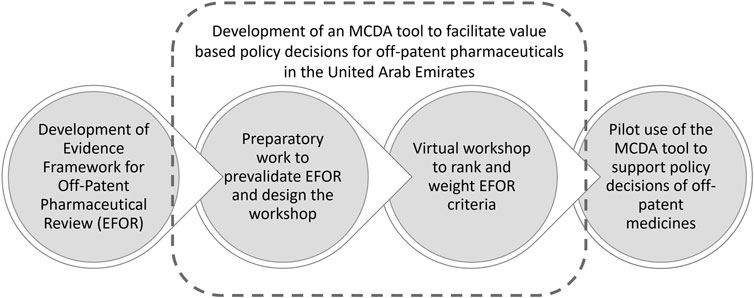
The newly established MCDA framework represents a departure from solely price-driven procurement, placing a heightened emphasis on quality, clinical efficacy, and overall value. Developed through an extensive multi-stakeholder workshop facilitated by the DHA, the tool incorporates nine key criteria to evaluate off-patent pharmaceutical products.
Analysis of the criteria ranking reveals a clear prioritization of quality elements. The top four criteria, collectively carrying significant weight, are:
- Real-world clinical or economic outcomes (19.8% weight)
- Quality assurance of manufacturing (17.3% weight)
- Evidence on the equivalence with the original product (14.8% weight)
- Drug formulation and stability (12.3% weight)
Notably, the pharmaceutical acquisition cost, traditionally a primary consideration, ranked fifth with a 9.4% weight. Other criteria, including reliability of drug supply, macroeconomic benefit (local investment), pharmacovigilance, and added value services, received similar weights ranging from 5.5% to 7.7%. This weighting structure incentivises manufacturers to provide robust scientific evidence beyond standard regulatory requirements, particularly in areas of real-world effectiveness and quality improvement.
Implications for Pharmaceutical Manufacturers and Market Dynamics
This new regulatory approach is set to significantly influence pharmaceutical market dynamics in Dubai and potentially across the UAE. It signals a governmental intent to reward evolutionary innovation in generic medicines and incentivise manufacturers to invest in generating additional data on product quality and patient outcomes.
Under existing regulations, the UAE applies both external and internal price referencing for pharmaceutical products. Locally produced generic products are required to be priced 30% lower than their innovator counterparts, while imported generics must offer at least a 40% discount. The integration of the MCDA tool complements these pricing rules by layering on quality-focused evaluation criteria, ensuring that cost savings are not achieved at the expense of patient outcomes or product reliability.
The DHA’s initiative is poised to enhance transparency and consistency in decision-making processes for off-patent pharmaceuticals. This foundational framework is expected to be tested in an initial implementation phase, with potential for future adjustments based on real-world experience and broader stakeholder input. Furthermore, the success of this tool in generic medicine procurement may pave the way for similar MCDA frameworks to be applied to other health technologies, including biosimilar medicines, orphan drugs, and medical devices, thereby advancing value-based healthcare across the region.