
UAE Unveils Landmark Citizenship Framework Targeting Global Talent and Innovation The United Arab Emirates has introduced a comprehensive, eight-tier legal framework outlining the pathways for foreign nationals to acquire Emirati citizenship. This development signifies a notable shift in the nation’s strategic approach, moving beyond a reliance on a transient expatriate workforce towards a policy aimed at permanent talent retention and economic diversification. The newly codified policy, published on official government channels, marks a departure from historical practices within the Gulf region, where citizenship has traditionally been highly restricted. A Highly Selective Nomination-Based Process Prospective candidates for Emirati citizenship should note that the process is not a standard application procedure. Instead, it operates on a highly selective, invitation-based model. Nominations and final approvals are exclusively vested with top-tier governmental bodies, including the UAE President, the Rulers’ and Crown Princes’ Courts, Executive Councils, and the Cabinet. This structure underscores the intent to integrate individuals who can significantly contribute to the nation’s future. Key Eligibility Categories and Stringent Requirements The framework delineates eight specific professional and economic profiles, each with strict, verifiable legal conditions: Investors: Individuals must demonstrate ownership of verifiable real estate property within the UAE. While a specific monetary threshold has not been publicly detailed within this decree, selection typically targets high-net-worth individuals in premium property markets. Doctors: Medical professionals must specialize in a scientific discipline identified as being in high demand within the UAE. Essential requirements include a minimum of 10 years of practical experience and active membership in a highly reputable organization pertinent to their medical field. Specialists: Mirroring the rigorous criteria for doctors, highly trained specialists in critical fields, ranging from epidemiology to advanced technologies like artificial intelligence and big data, are eligible. Candidates must demonstrate 10 years of sustained practical excellence and leadership within their respective industries. Inventors: Innovation is a highly valued criterion. An inventor must hold one or more patents formally recognised and approved by the UAE Ministry of Economy (MoE) or an internationally reputable patent authority. A direct recommendation letter from the MoE is also a mandatory prerequisite for consideration. This category particularly highlights the emphasis on intellectual property and innovation. Scientists: Candidates must be active researchers affiliated with a recognized university, private sector research centre, or institution. They are required to possess at least 10 years of practical experience, documented significant contributions to their scientific field, and a recommendation letter from a recognised scientific institution within the UAE. Intellectuals: The UAE aims to bolster its cultural standing. Intellectuals must be documented pioneers in their specific fields, having received at least one recognised international award for their work. A recommendation letter from relevant UAE government entities is also required. Artists: Similarly, artists operating at the pinnacle of the global cultural landscape can be nominated. They must demonstrate pioneering contributions to art and culture and possess international accolades affirming their global standing. Creative Talents: This broader category encompasses exceptional individuals whose creative output drives innovation, cultural enrichment, or economic diversification. Eligibility is subject to the same stringent peer-review and government nomination requirements as intellectuals and artists. Dual Nationality and Family Inclusion A significant provision of this new legal framework is the inclusion of family units. Spouses and children of nominated individuals are fully eligible to receive citizenship alongside the primary candidate. Furthermore, in a landmark policy shift, the UAE now permits naturalized citizens to retain their original nationality, allowing individuals to hold dual citizenship. Conditions for Revocation of Citizenship The government explicitly states that Emirati citizenship is conditional. It can be revoked if a naturalized citizen violates any of the specific conditions attached to their eligibility category, commits a severe legal offense, or acts against the state’s interests. Prospective citizens are required to swear an oath of allegiance and strictly adhere to the nation’s laws, ensuring that the privilege of citizenship remains linked to continuous good conduct and compliance. Broader Regulatory Adjustments for Entry Visas In a related regulatory development, the Federal Authority for Identity, Citizenship, Customs and Port Security (ICP) has recently expanded the UAE Entry Visa on arrival program. This update now includes passport holders from specific nations, such as Kenya, in the eligibility criteria for both 14-day and 60-day visa categories, further streamlining business and tourism travel.
USPTO Rejects IPRs Against First Solar’s TOPCon Patents: Implications for GCC Intellectual Property Law
First Solar Bolsters TOPCon Patent Enforcement with Key US Regulatory Decision, UAE Rights Confirmed Dubai, UAE – A significant development in global intellectual property protection has seen First Solar secure a procedural victory in its ongoing patent disputes concerning TOPCon crystalline silicon (c-Si) solar cell manufacturing methods. The United States Patent and Trademark Office (USPTO) recently declined to review challenges to First Solar’s TOPCon patents, a decision that has implications for the company’s enforcement strategy, including in markets like the United Arab Emirates. The USPTO Director denied three separate Inter Partes Review (IPR) applications filed last year by JinkoSolar, Mundra Solar, and Canadian Solar. This regulatory action effectively allows First Solar’s related patent infringement lawsuits, currently pending in the US District Court for the District of Delaware, to proceed unimpeded by these challenges. JinkoSolar and Canadian Solar had sought to challenge the validity of US Patent No. 9,130,074, while Mundra Solar targeted US Patent No. 9,666,732. Both patents are central to the methods used in producing advanced TOPCon solar cells. The rejections occurred on November 20 for JinkoSolar, December 11 for Mundra Solar, and December 18 for Canadian Solar. Global Reach and UAE Patent Portfolio While First Solar’s core technological focus is cadmium telluride (CdTe), a silicon-free solar PV technology, its ownership of the disputed TOPCon patents stems from its acquisition of TetraSun in 2013. The company has been assertive in protecting these intellectual property rights, having launched TOPCon cell patent infringement investigations against various manufacturers in July 2024. Crucially for the GCC region, First Solar’s patent portfolio for TOPCon technology extends globally, encompassing issued patents in numerous jurisdictions. These include the United States, Australia, Canada, China, the European Union, Hong Kong, Japan, Mexico, Malaysia, Singapore, South Korea, the UAE, and Vietnam. These issued patents are protected until 2030 or beyond. Furthermore, the company holds patent applications in several markets, including the European Union, Japan, Hong Kong, the UAE, and Vietnam, signaling a robust and forward-looking intellectual property strategy in key international markets. Implications for Patent Enforcement A representative from First Solar commented on the USPTO’s decision, stating that it aligns with the agency’s ‘Settled Expectations’ doctrine. This principle suggests that the longer a patent has been in force, the stronger the patent owner’s expectations of its validity should be. The patents at the heart of these recent challenges were originally issued in 2015 and 2017, predating the petitions for review. This development underscores the growing importance of intellectual property protection in the rapidly evolving renewable energy sector. While this specific decision was made by a US regulatory body, the global nature of First Solar’s patent holdings, particularly its inclusion of the UAE, highlights the international legal landscape companies navigate to protect their innovations. The broader solar industry has also seen instances of mutual resolution in TOPCon disputes, indicating a complex and active environment for patent enforcement.

UAE World Government Summit: BluWave-ai Participates in AI Governance & Regulatory Dialogue
UAE Bolsters AI-Driven Green Energy with Focus on Patent-Backed Technologies Dubai, UAE – January 28, 2026 – The United Arab Emirates is set to welcome a Canadian AI technology firm, showcasing its patent-protected solutions at the World Government Summit (WGS) 2026 in Dubai. This engagement highlights the growing emphasis on intellectual property and regulatory alignment in the UAE’s pursuit of advanced energy management systems. The firm’s participation in the “Team Canada AI Mission” follows a significant strategic partnership established between Canada and the UAE in November 2025, which included substantial UAE investment into Canada. This collaboration underscores a deepening bilateral trade relationship, particularly in the intersection of Artificial Intelligence and clean energy. Intellectual Property at the Forefront of Energy Solutions A key aspect of the firm’s offering in the GCC market is its extensive patent portfolio, which includes 13 granted patents and 40 pending applications in the field of AI for electricity grids. These patents underpin core products such as “EV Everywhere™” and “Data Center Autopilot™,” which are designed to optimize energy consumption and integrate renewable sources into existing infrastructure. “EV Everywhere™,” a trademarked energy optimization platform, has already seen deployment with the Dubai Taxi Corporation (DTC), a division of the Roads and Transport Authority (RTA). This implementation supports Dubai’s ambitious goal of achieving a 100% low-carbon taxi fleet by 2027. The technology aims to prevent mass EV adoption from overwhelming local distribution grids by intelligently managing charging in alignment with grid conditions and the UAE’s unique cooling-heavy load profiles. Introducing Patent-Pending Technology for Data Centre Optimization In conjunction with the WGS, the firm is officially launching “Data Center Autopilot™” for the Middle Eastern market. This software-as-a-service solution utilizes patent-pending technology to shift non-time-critical AI model training and batch processing to periods of lower grid stress. The system is designed to reduce peak loads by up to 35%, allowing data centres to function as “grid partners” rather than solely consumers. This innovation is particularly relevant as the UAE expands its data centre capacity to support regional AI development, which places increasing demands on the local electricity grid. The solution integrates with local utility signals to ensure data centres operate when energy is most cost-effective and environmentally cleaner. Aligning with National Regulatory Frameworks The firm’s initiatives directly support the UAE’s Net Zero 2050 strategy. By offering solutions that facilitate reduced peak demand charges, lower energy costs, and deferred costly grid upgrades, the technology provides a compelling business case for utilities and enterprises. The strategy focuses on turning energy flexibility into a monetizable asset, enhancing grid reliability, and accelerating decarbonization across the UAE and the broader GCC region. The discussions at the World Government Summit are expected to focus on “Shaping Future Governments,” with the firm demonstrating how its patent-supported products, from electric vehicle management to data centre optimization, directly contribute to the UAE’s national energy objectives and regulatory compliance efforts. The firm is actively seeking further partnerships and investments to expand its commercial operations and product deployments throughout the GCC.

UAE’s First New York Deli in DIFC: Navigating Business Law & Regulatory Compliance
GCC Legal News: Dubai’s DIFC Welcomes New Commercial Venture with Hudson & Rye Opening Dubai, UAE – The Dubai International Financial Centre (DIFC) is set to host a new commercial entity, Hudson & Rye, opening its doors on June 30, 2026, in Tower 3 of DIFC Square. The establishment of this New York-style deli signifies a new commercial development within Dubai’s prominent financial district, reflecting the ongoing growth and diversification of the business landscape within the free zone. Commercial Operations within DIFC Hudson & Rye, described as the UAE’s first authentic New York-style deli, will commence commercial operations seven days a week, offering a range of American classic dishes for breakfast, lunch, and dinner. The venture will also introduce delivery services through prominent platforms and in-house catering starting in July. This commercial launch underscores the continued appeal of DIFC as a strategic location for diverse business operations, attracting concepts that contribute to the district’s comprehensive commercial and lifestyle offerings. Strategic Business Expansion Plans Spearheaded by entrepreneurs, the new establishment has ambitious plans for further expansion across the UAE, with aspirations to open up to ten locations over the next five years. This strategic outlook highlights the commercial growth potential identified within the local market and the operational frameworks available for businesses aiming for multi-location development within the Emirates. The move reflects broader trends in the commercial sector where businesses leverage Dubai’s conducive environment for scaling operations. DIFC’s Role in Commercial Development A representative from DIFC Investments noted that the arrival of Hudson & Rye aligns with the calibre of concepts choosing DIFC for their growth initiatives. The continuous integration of new commercial ventures like Hudson & Rye supports the evolving needs of businesses, employees, and visitors within the financial hub, reinforcing DIFC’s position as a dynamic centre for both financial and broader commercial activities. The establishment and planned expansion of such entities contribute to the economic fabric governed by the legal and regulatory frameworks specific to the free zone.
UAE Court Rules Against FirstRand in Banking Dispute
UAE Bank Secures Trademark Rights After Prolonged South African Legal Battle Abu Dhabi, UAE – An Abu Dhabi-based financial institution has successfully concluded a nearly decade-long legal challenge, securing the right to register its trademarks in South Africa, a significant step in its international expansion strategy. The Supreme Court of Appeal in South Africa dismissed a final application from a rival banking group, effectively ending a dispute initiated in 2017. The case centered on the Abu Dhabi institution’s applications to register the trademarks “FIRST ABU DHABI BANK” and “GROW STRONGER FIRST ABU DHABI BANK” as part of its strategic entry into the South African market. This move was opposed by a local banking group, which argued that the UAE lender lacked a bona fide intention to use these marks, primarily because it had not yet obtained a South African banking licence. Evolution of the Legal Challenge The initial opposition to the trademark registrations was referred to the High Court, which ruled in favour of the Abu Dhabi bank and subsequently denied leave to appeal. The opposing banking group then sought recourse from the Supreme Court of Appeal. Throughout the litigation, the Abu Dhabi institution maintained that securing trademark protection constituted a deliberate “first step” in its broader plan to expand into the South African market. This approach involved establishing its brand identity and intellectual property rights before pursuing regulatory approvals such as a banking licence. Supreme Court Upholds Genuine Intent The Supreme Court of Appeal ultimately affirmed that the Abu Dhabi financial institution demonstrated a genuine intent to use the trademarks. The court’s judgment highlighted that there was no reason to doubt the bank’s commitment to complying with all necessary legal requirements, including applying for a banking licence and financial services authorisation, once its trademarks were registered. It further noted that, upon approval, the bank would undoubtedly utilize the trademarks for banking and financial services as it expanded its operations in South Africa. The court’s decision also referenced the Abu Dhabi bank’s established presence under the same branding across numerous international jurisdictions, finding no evidence of an ulterior motive behind its registration efforts. While acknowledging some errors in the High Court’s initial legal reasoning, the Supreme Court of Appeal concluded that these did not alter the fundamental finding of a bona fide intention to use the trademarks. The application for a final reconsideration of the matter was rejected, with the opposing banking group ordered to cover the Abu Dhabi institution’s legal costs. This ruling underscores the importance of a clear and demonstrable intellectual property strategy as a foundational element for financial institutions from the GCC region venturing into new international markets.

Sony Patent for Game Size Reduction: GCC Intellectual Property Implications
Patent Filing Signals Future of Game Storage for GCC Consumers A significant intellectual property development in the gaming industry could reshape how digital content is managed on next-generation consoles, with potential implications for consumers in the GCC region, particularly the UAE. A patent application filed by Sony for an ‘Asset Streaming System and Method’ suggests a strategic move to drastically reduce the installation footprint of video games. This innovation aims to mitigate challenges posed by escalating solid-state drive (SSD) costs and growing game sizes. Innovative Streaming System Detailed The patent, officially published on 4 February 2026, outlines a sophisticated method for gaming consoles to initially download only essential game assets. This approach could see initial installation packages shrink to as little as 100MB, a stark contrast to current installations that often range from 10GB to over 100GB. As players progress through a game, the system would dynamically stream additional required assets in real-time, while simultaneously deleting unnecessary files to optimize storage efficiency. Crucially, this patented system differentiates itself from traditional cloud gaming by executing the game code locally on the console. This hybrid model is designed to minimize input latency, a critical factor for a responsive gaming experience. While promising reduced storage demands, the technology would necessitate a robust, high-bandwidth internet connection for optimal performance. The patent also acknowledges potential trade-offs in texture and audio quality, though specific details on the extent of such compromises remain to be fully understood. Addressing Storage Concerns in Key Markets This patent filing directly addresses pervasive storage limitations faced by console users, particularly those with extensive game libraries. In markets like the UAE, where PlayStation 5 consumers have access to various storage upgrade options, the high cost of compatible SSDs frequently compels players to delete existing titles rather than expand their console’s capacity. The rising global costs of memory and SSDs, partly attributed to increased demand from AI data centers, have placed significant financial pressure on consumers worldwide, including those in the GCC. This patented streaming solution offers a strategic response to these market dynamics, potentially alleviating the burden of costly storage upgrades for gamers. Implications for Next-Generation Consoles The timing of this patent application indicates an awareness that future AAA game titles are projected to demand even greater storage on subsequent console generations, such as a hypothetical PlayStation 6. By implementing this asset streaming technology, Sony could potentially maintain current console storage capacities while still accommodating the ever-increasing size of game content, thus managing consumer expectations regarding console pricing. For competitive gamers, the system presents a compelling alternative to traditional cloud gaming services, sidestepping the input delays often associated with server-based solutions. However, the practical application of this technology, particularly concerning its impact on overall visual and auditory fidelity compared to fully installed titles, will be a key factor in its widespread adoption and consumer acceptance within the region and globally.
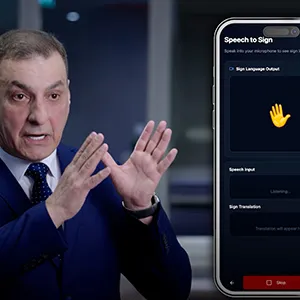
UAE: Abu Dhabi University Secures Patent for AI Sign Language Translation Application
Abu Dhabi University Secures Patent for AI-Powered Sign Language Translation Abu Dhabi, UAE – Abu Dhabi University (ADU) has been granted a patent for its innovative application, HearMe, an artificial intelligence (AI)-powered multilingual sign language translation platform. This legal recognition underscores a significant advancement in intellectual property within the region, particularly in technologies designed to enhance accessibility and compliance with national inclusion policies. The patented technology, developed by an ADU associate professor and an alumna, aims to bridge communication gaps for individuals with hearing impairments across diverse linguistic backgrounds. HearMe provides real-time, bidirectional translation between signed gestures and written text, supporting multiple sign language systems, including American and French sign languages. Alignment with National Regulatory Frameworks The development and patenting of HearMe align directly with the objectives of the UAE’s National Policy for Empowering People of Determination. This overarching regulatory framework seeks to reduce social inequalities, promote equity, and advance digital literacy for individuals with disabilities. The application’s success in securing intellectual property rights highlights the UAE’s commitment to fostering innovation that supports national policy goals. Impact on Education and Employment Accessibility Crucially, the HearMe application is designed to facilitate the full participation of individuals with hearing impairments in higher education and professional training programmes. By enabling seamless communication in academic and workplace settings, the technology is expected to foster more inclusive learning environments and expand access to new academic and career pathways. This has significant implications for labour and employment law, promoting equal opportunity and non-discrimination in professional development and hiring. The patented solution addresses long-standing communication barriers, which have historically limited equal participation for People of Determination. Its capability for real-time translation is poised to enhance effective interaction in classrooms, training sessions, and professional environments, thereby advancing the UAE’s broader agenda of inclusion and sustainable development. Abu Dhabi University continues to champion initiatives focused on accessibility and empowerment, demonstrating its commitment to translating its strategic vision into tangible community impact through innovation and research.
GRI Bio Secures UAE Patent Allowance for NKT-Cell Agonists
UAE Patent Allowance Strengthens Intellectual Property for Advanced Immunotherapies in MENA Region Dubai, UAE – The United Arab Emirates Patent Office has issued a Notice of Allowance for UAE Patent No. P6000687/2017, titled “Prevention and Treatment of Inflammatory Conditions.” This significant development expands intellectual property protection for novel immunomodulatory therapies within the UAE and broader Middle East and North Africa (MENA) region. Expanded Intellectual Property Coverage The allowed patent claims specifically cover new type 2 diverse NKT (dNKT) cell agonists, along with related methods and compositions designed for the prevention and treatment of various inflammatory conditions. This reinforces the global intellectual property portfolio supporting an advanced immunomodulatory platform, which aims to develop therapeutic approaches targeting immune pathways implicated in inflammatory, fibrotic, and autoimmune diseases. This allowance complements existing patent protections and reflects a strategic approach to building a robust global IP presence. Strategic Importance for the GCC Healthcare Market Securing patent protection in the UAE holds considerable strategic importance. The UAE is recognized as a rapidly expanding healthcare market and serves as a vital gateway to the wider MENA region. This patent allowance is anticipated to enhance opportunities for future regional partnerships, facilitate licensing agreements, and support long-term commercialization strategies for these innovative therapies within the region. The move is aligned with a disciplined global intellectual property strategy focused on ensuring long-term exclusivity and maximizing strategic optionality. Advancing Therapeutic Pipelines The newly allowed patent reinforces the strength of a growing global intellectual property portfolio centered on modulating NKT cell biology, an emerging therapeutic area designed to regulate immune responses across a spectrum of diseases with significant unmet medical needs. This supports the advancement of lead programs and leverages an extensive chemistry platform, which includes a library of over 500 proprietary compounds for future pipeline expansion and potential strategic collaborations.
UAE Intellectual Property: Abu Dhabi University Secures Patent for AI Sign Language App
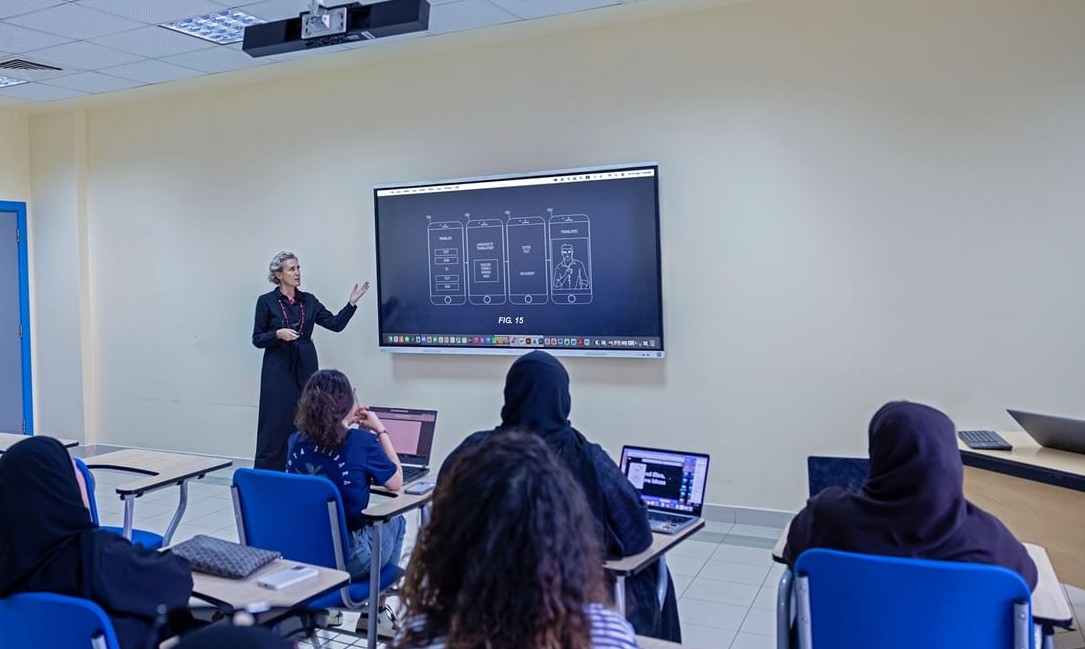
Abu Dhabi University Secures Patent for AI-Powered Sign Language Translation Application Abu Dhabi, UAE – A significant development in intellectual property has been recorded in the UAE, with Abu Dhabi University (ADU) securing a patent for “HearMe,” an innovative multilingual application leveraging artificial intelligence to translate sign language into text and speech, and vice versa. This technological advancement is poised to significantly enhance communication accessibility for individuals with hearing impairments within the GCC and beyond. The patented innovation focuses on bridging communication gaps, particularly in critical environments such as classrooms, training settings, and workplaces, where effective interaction is paramount for participation and integration. Cutting-Edge Translation Capabilities Functionally, “HearMe” offers real-time, two-way translation. It converts physical hand gestures into written words and spoken language, and conversely, transforms typed text into animated sign language. A notable feature is its support for multiple sign language systems, encompassing both American and French variants, thereby facilitating broader cross-regional communication. Alignment with National Regulatory Frameworks This patent acquisition and the underlying innovation are strategically aligned with the UAE’s National Policy for Empowering People of Determination. This policy, a key component of the nation’s regulatory framework, aims to foster greater equity, enhance accessibility, and strengthen digital inclusion across the nation for individuals with disabilities. University spokespersons have indicated that the project’s objective was to develop a practical solution to daily challenges faced by individuals with hearing impairments, particularly in academic and professional contexts. The patent underscores the institution’s commitment to applied research that directly contributes to national strategic priorities. The application is envisioned as a catalyst for expanding access to higher education and professional development, thereby promoting more inclusive learning environments and widening career pathways in line with the UAE’s broader societal and economic goals.

GCC States Prepare for Implementation of Unified Trade Marks Law
Qatar Adopts GCC Trademark Law, Reshaping IP Landscape and Regulatory Framework Doha, Qatar – Qatar has officially implemented the unified Gulf Cooperation Council (GCC) Trade Marks Law, marking a significant advancement for intellectual property protection and regional legal harmonisation. Published in the Qatar Official Gazette on July 9, 2023, Ministerial Decree Number 56 of 2023, along with its implementing regulations, came into effect on August 10, 2023. This development positions Qatar as the fifth GCC member state to adopt the unified legal framework, signaling a commitment to standardising trademark practices across the region. The primary objective of the new legislation is to streamline the processes for registering and maintaining trademarks within Qatar, fostering greater efficiency and predictability for brand owners. Regional Context and Harmonisation Efforts The GCC Trade Marks Law was the culmination of extensive negotiations among all six GCC member states and was originally published in 2013. Its phased implementation across individual nations underscores a broader regional ambition to harmonise intellectual property regulations. Kuwait, Bahrain, Oman, and Saudi Arabia had previously adopted the law. The United Arab Emirates stands as the sole GCC country yet to fully implement the unified law, having introduced its own Federal UAE Trademark Law in January 2022, which incorporates many provisions of the GCC framework but also includes specific national adaptations. While the GCC Trade Marks Law aims to harmonise practices, it is not a singular, unifying registration system akin to the GCC Patent Law. Brand owners will continue to require individual trademark registrations in each GCC member state that has adopted the law. However, the framework seeks to align administrative procedures and enforcement mechanisms, contributing to a more cohesive intellectual property environment across the Gulf. Key Procedural Changes and Implications The adoption of the GCC Trade Marks Law introduces several material changes to Qatar’s trademark regime, superseding the previous Law Number 9 of 2002. These updates are expected to impact various stages of the trademark application and registration process: Examination Period: The law stipulates an examination period of 90 days from the date of filing. Appeals for Conditional Acceptance: Applicants whose trademarks are accepted with conditions now have a 60-day window to appeal the decision or 90 days to comply with the specified conditions. Failure to adhere to these timelines will result in the forfeiture of the application. Appeals for Rejection: In instances where an application is rejected, applicants are granted 60 days from the notification date to lodge an appeal, failing which the application will be forfeited. Publication Fee Payment: Following a decision of acceptance, applicants must pay the requisite publication fees within 30 days of notification to prevent the forfeiture of their application. Opposition Period: The period for third parties to file an opposition against a published trademark application has been significantly reduced from four months to 60 days. Revised Official Fees The new regulatory framework also brings notable adjustments to official fees for various trademark services in Qatar. While filing and opposition fees remain unchanged, several other critical charges have seen increases: Publication Fees: Increased from QAR 325 to QAR 500. Registration Fees: Increased from QAR 2025 to QAR 3000. Renewal Fees (including publication): Increased from QAR 2000 to QAR 3500. These fee adjustments represent a significant financial consideration for brand owners seeking to establish or maintain trademark protection in Qatar. However, the legal community anticipates that the revised fee structure, coupled with the new procedural guidelines, will contribute to a more efficient and expedited trademark registration system. The expectation is that these changes will ultimately lead to a reduction in the lengthy processing times previously experienced for examination, publication, and the issuance of registration certificates, thereby strengthening trademark enforcement capabilities in the country.