
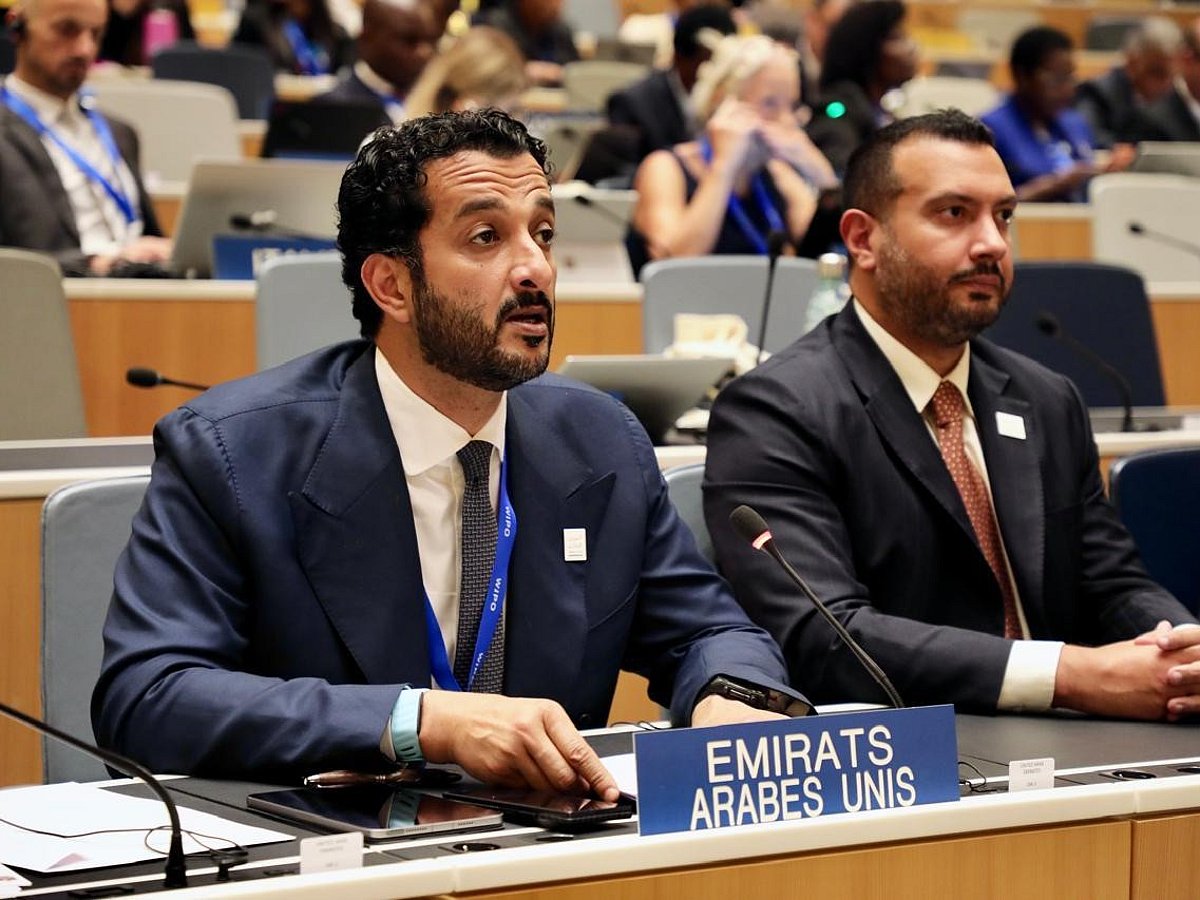
UAE Bolsters Intellectual Property Landscape with Locarno Agreement Accession and Strong H1 Growth Dubai, UAE – The United Arab Emirates has taken a significant step in strengthening its intellectual property (IP) framework by officially acceding to the Locarno Agreement Concerning the International Classification of Industrial Designs. This development coincides with robust growth in trademark registrations, patent applications, and registered intellectual works during the first half of 2026, according to official figures. The accession to the Locarno Agreement was formally confirmed during the UAE delegation’s participation in the 68th session of the Assemblies of Member States of the World Intellectual Property Organization (WIPO), held in Geneva, Switzerland, from July 7 to 15. The Locarno Agreement, established in 1968 and administered by WIPO, provides a unified international classification system for industrial designs. Significant Milestone for Industrial Design Protection The Minister of Economy and Tourism underscored the strategic importance of this accession, describing it as a pivotal moment for the nation’s industrial design protection system. This move is anticipated to elevate the national intellectual property framework to align with the highest global benchmarks. The Minister emphasized that joining the agreement reflects the UAE’s commitment to fostering international collaboration in intellectual property, particularly in safeguarding industrial designs, streamlining their registration, and standardizing classification procedures across member states’ IP offices. Robust Growth in IP Registrations Official data reveals a dynamic IP landscape in the UAE: Trademarks: A total of 17,217 national and international trademarks were registered in the first half of 2026. This figure represents a strong performance, comparing to 39,113 registrations recorded for the entire year of 2025. Intellectual Works: Registered intellectual works saw a substantial increase of 35.4 percent in the first half of 2026 when compared to the corresponding period last year. Total registrations for intellectual works reached approximately 2,082 in 2025. Patents and Utility Certificates: Patent applications submitted to the relevant Ministry witnessed an estimated 12 percent growth in the first half of 2026 compared to the same period in 2025, which saw 4,353 total applications. Applications for utility certificates also rose by 7.14 percent over the identical period. Strategic Initiatives and Global Recognition Over the past three years, the Ministry of Economy and Tourism has launched more than 60 initiatives aimed at cultivating a vibrant environment for intellectual property, innovation, and creativity. Notable among these is the Trademarks Market, described as the region’s first digital platform dedicated to the sale and trading of trademarks. These concerted efforts have contributed to the UAE maintaining its leading position in the Arab world for the sixth consecutive year in the Global Innovation Index, achieving the 30th rank globally. The Ministry also highlighted its ongoing endeavors to protect broadcasting rights and actively combat digital piracy. The UAE’s leadership in artificial intelligence adoption rates during the first quarter of 2026 was also noted as a factor in the nation’s progressive innovation agenda.
FirstRand Loses UAE Banking Law Dispute
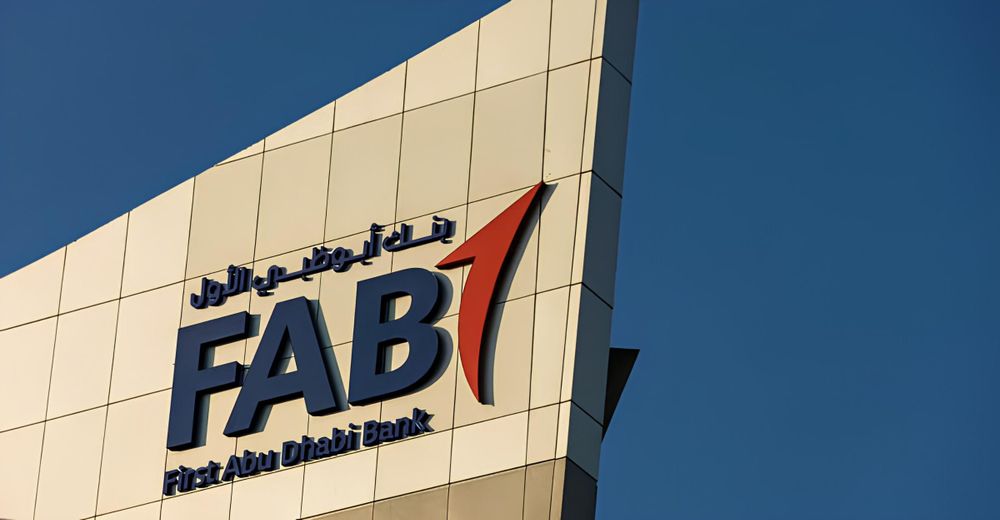
UAE Lender Secures Trademark Rights in Landmark South African Ruling Abu Dhabi Bank Triumphs in Long-Running Trademark Registration Dispute Abu Dhabi Bank, a prominent United Arab Emirates financial institution, has successfully concluded a multi-year legal battle to register its trademarks in South Africa. The Supreme Court of Appeal in South Africa dismissed the final application by FirstRand, paving the way for the UAE bank to proceed with its branding ahead of its planned expansion into the South African market. Background of the Dispute The dispute originated in 2017 when Abu Dhabi Bank sought to register the trademarks “FIRST ABU DHABI BANK” and “GROW STRONGER FIRST ABU DHABI BANK.” These applications were a strategic first step in its broader ambition to establish a presence in the South African financial sector. However, FirstRand lodged an opposition, contending that Abu Dhabi Bank lacked a bona fide intention to use these marks, primarily because it had not yet secured a South African banking licence or applied for the necessary financial services permissions. This objection formed the core of the legal challenge. Judicial Pathway and Key Arguments The matter was initially referred to the High Court, which ruled against FirstRand’s opposition. Subsequent attempts by FirstRand to appeal were initially rejected by the Supreme Court of Appeal, though a later petition led to a reconsideration. Throughout the protracted litigation, Abu Dhabi Bank consistently asserted its deliberate strategy of securing trademark protection as the foundational step before pursuing a banking licence. The bank emphasized its intent to comply with all regulatory requirements once its trademarks were firmly established. FirstRand maintained that the absence of a banking licence or an application for one at the time of trademark filing negated any genuine intention to use the marks. Supreme Court of Appeal’s Decision The Supreme Court of Appeal ultimately sided with Abu Dhabi Bank, affirming that the UAE lender had demonstrated a genuine and bona fide intention to use its trademarks as part of its strategic expansion into South Africa. The court noted that there was no reason to doubt Abu Dhabi Bank’s commitment to fulfilling all necessary legal and regulatory obligations, including obtaining a banking licence, once its trademarks were registered. The judgment highlighted that Abu Dhabi Bank operates under the same branding across numerous international jurisdictions, suggesting a consistent corporate strategy and dispelling any concerns regarding an ulterior motive for the trademark registrations. The court also observed that, despite some errors in the High Court’s initial legal reasoning, these did not alter the fundamental finding that Abu Dhabi Bank possessed a legitimate intention to use the trademarks. The court dismissed FirstRand’s final application, stating that its arguments amounted to a “mere difference of opinion” and did not meet the exceptional criteria required for a further reconsideration of the appeal. FirstRand was also ordered to cover Abu Dhabi Bank’s legal costs. This ruling marks a significant victory for Abu Dhabi Bank, underscoring the legal recognition of strategic, phased market entry approaches where trademark protection precedes full operational regulatory approvals.
UAE Joins Locarno Agreement, Major Boost for GCC Industrial Design & IP Rights
UAE Strengthens Intellectual Property Framework with Accession to Global Design Classification Pact The United Arab Emirates has officially joined the Locarno Agreement, an international treaty establishing a unified classification system for industrial designs. This strategic move is set to significantly bolster the nation’s industrial design protection system and further integrate its intellectual property (IP) ecosystem with global best practices. The Locarno Agreement, administered by the World Intellectual Property Organization (WIPO), provides a standardised framework for the classification of industrial designs. The UAE’s accession is seen as a key milestone in enhancing international cooperation in intellectual property, particularly in facilitating the registration, search, and comparison of industrial designs among member states, and unifying classification procedures across various intellectual property offices. Officials highlighted that this decision aligns with the UAE’s overarching vision to cultivate a leading institutional environment that supports innovators and inventors. By fortifying intellectual property rights, the nation aims to enable both individual and institutional innovation, contributing to the objectives of the “We the UAE 2031” vision and solidifying its position as a global hub for knowledge and innovation-based economies. Continued Growth in Trademark, Copyright, and Patent Filings The UAE’s intellectual property sector continues to experience substantial growth, reflecting the positive impact of recently introduced legislation, initiatives, and projects. Statistical data from the Ministry of Economy and Tourism indicates a strong upward trend across various IP categories. During the first half of 2026, the Ministry recorded 17,217 national and international trademark registrations. This follows a robust performance in 2025, which saw a total of 39,113 trademarks registered. Copyright protection has also seen a marked increase, with registered intellectual works rising by 35.4% in the first half of 2026 compared to the same period in 2025. The total number of intellectual works registered throughout 2025 reached 2,082. Patent activity has similarly demonstrated consistent expansion. The Ministry reported a 12% increase in patent applications during the first half of 2026 relative to the corresponding period in the previous year. A total of 4,353 patent applications were filed during 2025. Furthermore, applications for utility model certificates saw a 7.14% increase in the first half of the current year. Intensified Enforcement Against Digital Piracy In parallel with efforts to strengthen IP registration and protection, the UAE has escalated its measures to safeguard broadcasting rights and combat digital piracy. The Ministry of Economy and Tourism’s Insta Block Centre has been instrumental in these enforcement actions, blocking 31,852 infringing websites in 2026. This represents a significant increase of 26% in blocked sites during the first half of the year compared to the same period in 2025, underscoring the nation’s commitment to robust IP enforcement.

GCC Legal Watch: China’s Fintech Patent Lead Signals Global IP System Shifts
SKIP ARTICLE

GCC Regulatory Focus: Company Secretaries Practicing as Trademark Agents
SKIP ARTICLE

Protect Your Work with Professional Copyright Services
Your creative ideas are very important and they deserve to be protected by law. If you are a writer, artist, software developer, filmmaker, musician, designer or business owner your original work is like a treasure. Getting Copyright Registration Saudi Arabia helps you prove that you own your work and it stops people from copying or using it without your permission. AL ajaleen Law & Intellectual Property is a trusted company that helps creators and businesses protect their work and follow the laws related to intellectual property. Why Copyright Protection Matters When you create something it takes a lot of time and effort. If you do not protect it with a copyright, someone might. Use it without asking you and this can cause you to lose money and damage your reputation. Copyright protection gives you control over your work so you can decide how it is used, shared or changed. It also helps you if someone uses your work without permission. It keeps your work valuable. Benefits of Copyright Registration Legal Proof of Ownership When you register your copyright you get a document that proves you own your work. This makes it easier to prove that you are the creator if someone tries to use your work without permission. Protection Against Use Registering your copyright helps stop people from using your work without asking you. It also gives you protection if someone uses your work without permission. Commercial Opportunities When you have a registered copyright you can make money from your work by licensing it, publishing it or selling it. You can also use it to make deals with companies. Enhanced Business Value For businesses protected work like marketing materials, software and websites are very valuable. Protecting these things makes your business stronger. Confidence for Creators When you know that your work is protected you can focus on creating things without worrying that someone will copy your work. Why Choose Professional Legal Assistance? Registering a copyright involves a lot of paperwork and legal procedures. A professional lawyer can help you with this process. Make sure that everything is done correctly. A good lawyer can also give you advice on how to own and use your work and how to stop people from using it without permission. They can help you make the most of your work and reduce the risk of legal problems. Conclusion Your creative work is very valuable. It deserves to be protected. Whether you create art, software, music or write books, getting Copyright Registration Saudi Arabia helps you prove that you own your work. It supports your future business plans. AL ajaleen Law & Intellectual Property is a company that helps individuals and businesses protect their work and use their intellectual property rights. Frequently Asked Questions Q1. What types of work can be protected by copyright? You can protect things like books, music, movies, photos, software and other creative work with a copyright. Q 2. Why should I register my copyright? Registering your copyright gives you proof that you own your work makes it easier to stop people from using it without permission and helps you make money from your work. Q3. Who should consider copyright registration? Writers, musicians, software developers, designers, photographers, filmmakers, publishers, teachers, businesses and anyone who creates things can benefit from copyright protection. Q4. How can lawyers help with copyright registration? Lawyers can help you with the paperwork filing your application protecting your work, making deals with companies and helping you if someone uses your work without permission.

Protect Your New Ideas with Professional Help from Patent Services
Protect Your Innovation with the Right Intellectual Property Law Firm in Saudi Arabia Innovation and creativity are assets in today’s competitive market. If you own a startup, an established business or are a creator you need to protect your intellectual property to stay ahead. Choosing the right Intellectual Property Law Firm Saudi Arabia can help safeguard your trademarks, patents and copyrights from being used without permission. AL ajaleen Law & Intellectual Property provides legal solutions to help businesses and innovators protect what they have worked hard to create. Why Intellectual Property Protection Matters property is more than just a legal concept. It represents the ideas, inventions and brand identity that make your business unique. Without protection others can copy or misuse your valuable assets. Getting legal guidance ensures that your intellectual property rights are secured, documented and enforced according to the law. From filing registrations to handling disputes, experienced lawyers can simplify the process. Reduce potential legal risks. Benefits of Professional Intellectual Property Services Trademark Protection A registered trademark protects your business name, logo and brand identity. It helps customers recognize your products and prevents others from using marks. Patent Assistance If you have a product or invention, patent services can help you secure exclusive rights. This allows you to benefit from your innovation without others copying it. Copyright Protection Creative works like books, software and artwork need copyright protection. This prevents reproduction or distribution. Intellectual Property Enforcement If someone violates your intellectual property rights, experienced lawyers can help. They can send cease-and-desist notices, negotiate, resolve disputes and take action. Business Growth and Investor Confidence A protected intellectual property portfolio increases business credibility. Investors and business partners are more likely to work with companies that have secured their assets. Why Choose Experienced Legal Professionals? Intellectual property laws can be complex. Are always changing. Working with professionals who understand international regulations gives you peace of mind. Experienced lawyers offer guidance, accurate documentation and practical solutions. Their goal is to help you register your property and maximize its commercial value. Conclusion Protecting your assets today can save you from legal and financial challenges in the future. Choosing the right Intellectual Property Law Firm Saudi Arabia is an investment in your long-term success. AL ajaleen Law & Intellectual Property provides trusted expertise to help individuals and businesses secure and enforce their intellectual property rights. Frequently Asked Questions Q1. What is intellectual property? Intellectual property includes trademarks, patents, copyrights and other creations of the mind that have value. Q2. Why should businesses register their property? Registration provides ownership, strengthens brand protection and prevents unauthorized use. Q3. Who can benefit from property legal services? Startups, entrepreneurs, corporations, inventors, artists and content creators can all benefit from intellectual property protection. Q4. When should I seek advice, for intellectual property? You should seek guidance before launching a new product, brand or creative work to ensure proper protection.

Secure Your Brands Future with Professional Trademark Protection
Building a successful brand takes a lot of time and effort. You have to be dedicated and come up with ideas. Whether you are just starting a company or you have been running one for a while your brand identity is very important to your business. You should make sure to protect your business name, logo and slogan. Choosing Trademark Registration Saudi Arabia services can help you do this. They can help you own your brand legally and stop others from using it without permission. AL ajaleen Law & Intellectual Property can give you legal advice and support to help you protect your brand through their trademark registration services. Why Trademark Protection Is Essential A trademark is what sets your products or services apart from others. It helps your customers trust you. As your business grows people start to know you by your brand. Registering your trademark gives you the right to use your brand and stop others from using it without permission. If you do not register your trademark you might have problems with companies copying you. You could even lose the right to use your brand.. If you have legal protection you can be sure that your brand is safe. This also helps you stand out in the market. Benefits of Registering Your Trademark Exclusive Legal Rights When you register your trademark you own it completely. This means you can stop others from using names, logos or symbols that’re similar to yours. Stronger Brand Recognition Having a registered trademark makes your brand look more professional and trustworthy. Customers are more likely to trust brands that are protected by law. Business Expansion Opportunities As your business grows and enters markets trademark protection becomes even more important. A registered trademark helps when you want to license your brand, start a franchise or partner with businesses. It keeps your brand safe across all your business activities. Protection Against Infringement Registering your trademark gives you a case if someone copies your brand. Legal professionals can help you resolve these issues quickly and protect your business. Increased Business Value Your trademark is a part of your business. It can increase your business’s worth. It is important when you are talking to investors or when you are buying or selling a company. Why Professional Legal Assistance Matters Registering a trademark involves a lot of work like filling out forms classifying your goods and services and following the rules. Professional legal help makes sure everything is done correctly so you do not have to wait a time for your application to be approved. Legal professionals can also give you advice on how to search for trademarks, manage your portfolio, renew your registrations and enforce your rights. They help you avoid making mistakes and protect your business in the long run. Conclusion Your brand is what people think of when they hear your company’s name. It is your reputation and the trust your customers have in you. Protecting it with Trademark Registration Saudi Arabia is an investment for your business’s future. It gives you security and helps you stand out from your competitors. Whether you are registering a trademark or taking care of the ones you already have AL ajaleen Law & Intellectual Property can give you the legal help and support you need to protect your brand. Frequently Asked Questions Q1. What is a trademark? A trademark is a sign, logo, word, symbol or combination of these that is legally protected and helps people tell your products or services apart from others. Q2. Why should I register my trademark? Registering your trademark gives you the right to use it, makes your brand stronger and allows you to take legal action if someone uses it without permission. Q3. Who should apply for trademark registration? Anyone who owns a business is starting a company or offers products or services should consider registering their trademark. Q4. How can legal professionals help with trademark registration? They can help you search for trademarks, prepare your application, fill out forms and go through the process of registering your trademark. They make sure everything is done correctly and efficiently.

Protect Your Innovation with the Right Intellectual Property Law Firm in Saudi Arabia
Innovation and creativity are assets in today’s competitive market. If you own a startup, an established business or are a creator you need to protect your intellectual property to stay ahead. Choosing the right Intellectual Property Law Firm Saudi Arabia can help safeguard your trademarks, patents and copyrights from being used without permission. AL ajaleen Law & Intellectual Property provides legal solutions to help businesses and innovators protect what they have worked hard to create. Why Intellectual Property Protection Matters property is more than just a legal concept. It represents the ideas, inventions and brand identity that make your business unique. Without protection others can copy or misuse your valuable assets. Getting legal guidance ensures that your intellectual property rights are secured, documented and enforced according to the law. From filing registrations to handling disputes, experienced lawyers can simplify the process. Reduce potential legal risks. Benefits of Professional Intellectual Property Services Trademark Protection A registered trademark protects your business name, logo and brand identity. It helps customers recognize your products and prevents others from using marks. Patent Assistance If you have a product or invention, patent services can help you secure exclusive rights. This allows you to benefit from your innovation without others copying it. Copyright Protection Creative works like books, software and artwork need copyright protection. This prevents reproduction or distribution. Intellectual Property Enforcement If someone violates your intellectual property rights, experienced lawyers can help. They can send cease-and-desist notices, negotiate, resolve disputes and take action. Business Growth and Investor Confidence A protected intellectual property portfolio increases business credibility. Investors and business partners are more likely to work with companies that have secured their assets. Why Choose Experienced Legal Professionals? Intellectual property laws can be complex. Are always changing. Working with professionals who understand international regulations gives you peace of mind. Experienced lawyers offer guidance, accurate documentation and practical solutions. Their goal is to help you register your property and maximize its commercial value. Conclusion Protecting your assets today can save you from legal and financial challenges in the future. Choosing the right Intellectual Property Law Firm Saudi Arabia is an investment in your long-term success. AL ajaleen Law & Intellectual Property provides trusted expertise to help individuals and businesses secure and enforce their intellectual property rights. Frequently Asked Questions Q1. What is intellectual property? Intellectual property includes trademarks, patents, copyrights and other creations of the mind that have value. Q2. Why should businesses register their property? Registration provides ownership, strengthens brand protection and prevents unauthorized use. Q3. Who can benefit from property legal services? Startups, entrepreneurs, corporations, inventors, artists and content creators can all benefit from intellectual property protection. Q4. When should I seek advice, for intellectual property? You should seek guidance before launching a new product, brand or creative work to ensure proper protection.
Dubai Secures INTA Annual Meeting 2026: A Milestone for GCC Trademark Law
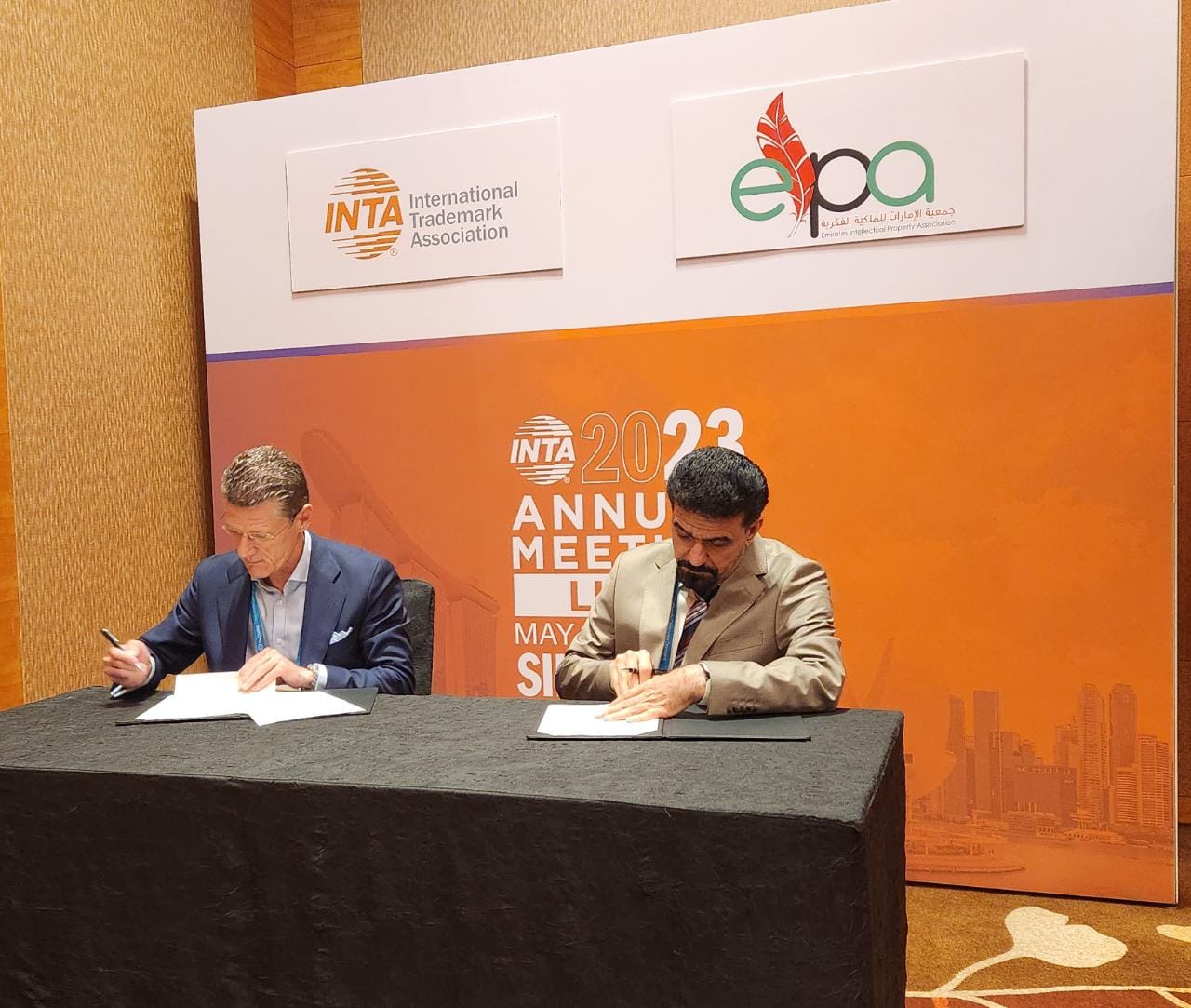
Dubai to Host International Trademark Association Annual Meeting in 2026, Marking a Middle East First Dubai has been selected as the host city for the International Trademark Association (INTA) Annual Meeting in 2026, a significant development that will bring the prestigious global gathering of intellectual property professionals to the Middle East for the first time. The announcement was made during the opening ceremony of the 2023 INTA Annual Meeting in Singapore on May 17. A Landmark for Regional Intellectual Property The INTA Annual Meeting is a premier event in the intellectual property (IP) calendar, attracting over 8,000 experts, including legal professionals, trademark owners, government officials, and academics. Participants engage in discussions on critical issues pertaining to intellectual property rights, with a specific focus on trademarks and copyrights. Hosting this event underscores Dubai’s growing stature as a hub for international business and a champion of robust legal frameworks for intellectual property. Collaborative Efforts Underscore Strategic Vision The successful bid was the culmination of concerted efforts by several key entities within the UAE. These included the Emirates Intellectual Property Association (EIPA), the UAE Ministry of Economy, Dubai’s Department of Economy and Tourism, Dubai Chambers, and Dubai Police. This strategic partnership highlights the emirate’s commitment to enhancing its legal and regulatory environment for intellectual property and positioning itself as a leading destination for major international events. Major General Dr. Abdul Quddus Al Obaidly, Chairman of EIPA, noted that Dubai provides an ideal venue for the event, facilitating the convergence of experts to share insights and expertise across various facets of trademark law and practice. He further emphasized that the UAE’s successful bid is a testament to the nation’s profound commitment to recognizing the critical role of intellectual property. Abdullah Al Saleh, Under-Secretary of the UAE Ministry of Economy, highlighted that the selection of the UAE as the host for INTA 2026 reflects the country’s prominent global standing in the realm of intellectual property, particularly trademarks. He affirmed the UAE’s steadfast commitment to fostering a thriving business and investment environment, underpinned by a robust system for safeguarding intellectual property rights, and its dedication to international cooperation in economy, trade, and innovation. Mohammad Ali Rashed Lootah, President and CEO of Dubai Chambers, commented on Dubai’s innovation ecosystem, which supports startup incubators, accelerators, and regulatory sandbox schemes. He stressed the importance of trademarks and intellectual property for businesses and Dubai’s commitment to accelerating business growth and cementing its position as a global business and trade hub. Ahmed Al Khaja, CEO of Dubai Festivals and Retail Establishment, added that attracting such events aligns with Dubai’s strategic focus, providing a platform for knowledge exchange and creating a lasting legacy for the emirate and the wider region. Alignment with National Development Goals The decision to host the INTA Annual Meeting aligns directly with the UAE Leadership’s 2071 Centennial Plan. A core pillar of this national strategy is the establishment of a diversified knowledge economy. This encompasses significant investment in scientific research and emerging sectors, a strong focus on innovation and entrepreneurship, and the development of advanced industries. Furthermore, the plan prioritizes enhancing intellectual property protection, fostering innovation by instilling confidence in innovators, promoting investment in research and development (R&D), and incentivizing commercialization. The hosting of INTA 2026 is expected to significantly contribute to these objectives by facilitating knowledge transfer and strengthening IP frameworks. About the International Trademark Association Founded in 1878, the International Trademark Association is a global non-profit organization dedicated to the promotion and protection of intellectual property and trademarks worldwide. With a membership base comprising over 6,000 companies and representing more than 33,500 individuals across 181 countries, INTA plays a crucial role in shaping global intellectual property policy and practice.