
Introduction In a competitive market, intellectual property (IP) can comprise the single most valuable business asset. Trademarks, patents, copyrights and designs are all forms of IP which businesses can protect to maintain their brand image, innovate and thrive. An Intellectual Property Lawyer Saudi Arabia can help organizations to protect, manage and enforce their legally protected IP assets within the Kingdom. AL ajaleen Law & Intellectual Property offers tailored advice and expert guidance to startups, enterprises, businesses and entrepreneurs on all aspects of IP law. The firm’s experienced lawyers have extensive knowledge and understanding of Saudi’s IP laws and regulations. Intellectual Property Law in Saudi Arabia Intellectual property refers to all intangible creations of the mind, including inventions, copyright works, designs, symbols, insignias and images used for commercial purposes. Saudi Authority for Industrial Property (SAIP) is the relevant authority which manages and provides services regarding patents, trademarks, copyrights, designs, plant varieties and integrated circuit layout. Businesses often seek legal advice in relation to registration, management and strategy relating to their IP. Therefore, it is essential to consult with expert professionals who understand your specific business and industry to advise you on all matters. Intellectual Property Lawyer Saudi Arabia 1. Expert Legal Advice When it comes to intellectual property (IP) strategy, businesses need to think long term and consider how they want to protect and profit from their innovations and brands. It is important to consult an expert intellectual property rights lawyer to advise clients on how to build an IP strategy that protects their interests both today and in the future. 2. Brand Building Trademarks are vital for organizations to advertise and differentiate their goods and services and denote quality and standards. It is essential to secure and register your trademark to prevent imitation and preserve your brand equity. According to the Saudi authority for IP (SAIP), trademark registration provides a business with the monopoly right to use, license and sell your mark. 3. Registration Assistance Your attorney can assist companies and individuals to register, draft and file applications and provide the relevant documentation with respect to trademark, patents copyrights and designs. It is also important that they carry out a preliminary search, to avoid the rejection of any application. 3. Infringement Counterfeiting products or plagiarism can not only damage a business’s image but incur huge losses. In case of infringement, it is necessary to seek legal remedies to prevent unauthorized use of your IP rights. 4. Intellectual Property Consultation An effective and efficient brand building or product development strategy requires not only protection through registration but management of your IP portfolio. Business owners may turn to lawyers for help with licensing, IP audits, due diligence, IP management and litigation. At AL ajaleen Law & Intellectual Property, our intellectual property lawyers can advise and offer legal solutions to businesses facing IP-related problems across the Gulf region. Our lawyers offer a wide range of services from IP due diligence and audit to licensing and litigation. Conclusion When it comes to protecting the interests of the business, entrepreneurs need to consider both legal and financial implications of their decisions. AL ajaleen Law & Intellectual Property prides itself on its years of accumulated experience in providing legal and intellectual property advisory services to organizations across the Gulf region. In addition to this, we also offer specialized Intellectual Property Lawyer Saudi Arabia services to businesses looking to protect and manage their trademarks, patents, copyrights and designs. FAQs Q1. What does an intellectual property lawyer deal with? An IP lawyer handles trademarks, patents, copyrights, design, licensing, IP transaction, litigation and dispute resolution concerning intellectual properties. Q2. Why should business owners protect intellectual property? Businesses require Legal protection for intellectual property as it encourages innovation, new ideas and allows owners to capitalize on their developments, invention. Q3. Do startups need intellectual property lawyers? Startups can certainly benefit from IP lawyers to register trademarks, copyrights, patents, and other IP needed to protect their unique products and brand. Q4. Are there ways to prevent intellectual property theft? Businesses must register their IP with the relevant authorities for legal protection. Infringers can be penalized to prevent further unauthorized use of IP.

Intellectual Property Law Firm Saudi Arabia: Protect Your Ideas, Brand & Business
Introduction When it comes to the modern corporate economy, intellectual property can be one of the most valuable assets but only if you know how to protect it. Trademarks, patents, copyrights, and industrial designs all constitute a unique business asset that must be properly maintained, registered, and defended against infringement. An intellectual property law firm in Saudi Arabia can be an invaluable ally in matters of trademarks and other IP rights in Saudi Arabia. AL ajaleen Law & Intellectual Property is a firm offering legal and intellectual property services, ready to assist companies, entrepreneurs, and innovators in Saudi Arabia. Intellectual Property Law Firm Saudi Arabia: IP Services Overview An intellectual property law firm can offer a wide range of services, from representing clients before the Saudi Authority for Intellectual Property (SAIP) to counseling and litigation support. The SAIP is the regulatory body responsible for administering and controlling trademarks, patents, copyrights, and industrial designs, among others. In Saudi Arabia, the Saudi Authority for Intellectual Property administers intellectual property rights, including trademarks, patents, copyrights, and industrial designs, as well as plant varieties and integrated-circuit layout designs. IP lawyers can provide services like trademark and patent registration, copyright registration, IP portfolio management, licensing, legal and commercial counseling, and litigation. Intellectual Property Law Firm Saudi Arabia: Why Should You Care? 1. Protection of your valuable assets The qualified lawyers can advise you on which intellectual property to register and how to best protect your interests. 2. Trademark, patent, copyright, and design services In Saudi Arabia, trademarks, patents, copyrights, and designs are registered through the Saudi Authority for Intellectual Property. In order to register a trademark or patent, a company must submit an application and supporting documents to the relevant authorities. Intellectual property lawyers can assist in trademark and patent registration processes, as well as answer any questions and resolve potential issues. 3. Resolving conflicts and infringement Infringement of intellectual property rights can adversely affect the value of your company’s intellectual property. In Saudi Arabia, there are several options for resolving conflicts and litigating intellectual property rights. This allows Saudi companies to better protect their intellectual property and brand value. 4. Portfolio management and other services While IP registration is critical, a firm can advise on portfolio management, legal and commercial ownership structure, and transaction structuring. The Saudi Authority for Intellectual Property offers comprehensive licensing resources, including laws and regulations, dispute resolution, and litigation support. All these services can help you maintain and manage your portfolio with greater ease. 5. Gulf business consideration Firms trading in the Gulf region often need to navigate a variety of legal and commercial factors related to intellectual property. An intellectual property law firm can advise companies on how to best organize their IP management and portfolio strategy at the regional level. Intellectual Property Law Firm Saudi Arabia: AL ajaleen Law & Intellectual Property While a basic understanding of intellectual property law is critical to any company, firms often need more extensive support when managing a high-value IP portfolio. On the AL ajaleen Law & Intellectual Property website, you can find the following information about their IP services: “Our attorneys have the expertise to handle all aspects of intellectual property due diligence, auditing, litigation, and counseling in the Gulf region.” FAQ’s Q1. What types of intellectual property can be registered and managed by a law firm? Typically, intellectual property lawyers can assist with trademarks, patents, copyrights, and industrial designs, among others. Q2. When do I need the services of an intellectual property law firm? Businesses should consider the assistance of an intellectual property law firm in cases of trademark or patent registration, brand development, copyright matters, licensing, and disputes over intellectual property. Q3. Can a law firm assist me with patent or trademark infringement? Yes, an intellectual property law firm can advise you on the nuances of patent or trademark infringement and represent your interests in court. Q4. Why is the management of intellectual property important for a growing business? Proper management of intellectual property allows a business to properly document, maintain, protect, and monetize its most valuable assets while mitigating legal and commercial risks. Conclusion Intellectual Property Lawyer Saudi Arabia, intellectual property law plays a crucial role in portfolio management and protection, as well as litigation and dispute resolution. An intellectual property law firm can provide a wide range of services, from portfolio management to registration of trademarks and patents, as well as assistance in litigation and disputes. At AL ajaleen Law & Intellectual Property , you can find a full range of legal and intellectual property services to meet the needs of your business in Saudi Arabia and the Gulf region. Learn more on the AL ajaleen Law & Intellectual Property website .

Patent Registration Saudi Arabia : Protecting Innovation and Business Value
Introduction An innovation can often represent one of the most valuable assets for an inventor or an emerging business. From a product, technical solution, process or even technology, protecting this intellectual property can not only prevent third parties from using it without permission but also enable commercial opportunities to be explored. Through the Saudi Authority for Intellectual Property, Patent Registration Saudi Arabia offers inventors and entrepreneurs the opportunity to file for protection of their qualifying innovation. With the support from AL ajaleen Law & Intellectual Property, inventors can benefit from expert assistance when protecting their intellectual property. What Is Patent Registration in Saudi Arabia? A patent offers its owner the exclusive right to use an innovation. The Saudi Authority for Intellectual Property (SAIP) offers an online facility for the filing of patent applications. This involves the submission of information as well as accompanying documents, including a detailed description of the invention, patent claims and drawings, if relevant. In addition, before applying for a patent, it is possible to perform a preliminary search to ensure the invention is not already patented or disclosed. SAIP offers an online search facility for its published and registered patents. Benefits of Patent Registration Saudi Arabia 1. Protection of your innovation A patent offers inventors and businesses the ability to secure their qualifying innovation and prevents unauthorized commercial exploitation. 2. Exploitation and commercialization With the appropriate protection in place, an invention can be commercialized as a product or licensed as a technology to other businesses, enabling its owner to capitalize on its value. In addition, SAIP offers recording of contractual licensing agreements relating to patents. 3. Support for businesses and startups A patent can be a crucial piece of intellectual property for a business, startup, or inventor to develop a commercial opportunity around an innovation. 4. Prevention of head-to-head competition By protecting an innovation that could be at the heart of a product or service, a business can gain a competitive edge, as this will prevent rival companies from simply copying its offering. 5. Complete support From filing an application and performing searches to management and examining, SAIP provides an end-to-end solution for patents. In addition, certain qualifying applications can also take advantage of SAIP’s Patent Prosecution Highway fast-track examination program. Why Choose Our Patent Registration Service ? Applying for a patent needs to be supported correctly, as there are a number of aspects involved, including the preparation of the application itself and supporting documents, submitting these to the relevant authority and then managing the application efficiently to avoid any complications. By working with AL ajaleen Law & Intellectual Property, inventors and businesses can benefit from our specialist support in providing assistance with conducting a patent search, preparing and filing patent applications, and the management of the application, ensuring the protection offered by a patent is obtained. Frequently Asked Questions Q1. Who can apply for a patent in Saudi Arabia? According to the SAIP, qualifying individuals and enterprises who use its online service for the filing of patent applications are able to submit their application. Q2. Why should I conduct a patent search? Conducting a patent search enables you to ascertain that the invention you intend to file for is not already publicly available or registered as a patent. Q3. Can a patent be licensed? Yes. A party can acquire rights to a patent through a licensing agreement. SAIP has a facility for the registration of such agreements so that the licensee has recorded consent to practice the invention in accordance with the terms of the contract. Q4. How can a lawyer assist with patent registration? Lawyers, particularly those specializing in intellectual property, can provide advice, conduct searches, prepare and submit applications, manage portfolios and offer guidance on all aspects of a patent.
Dentons Link Legal makes seven new Associate Partners – Bar and Bench
Dentons Link Legal makes seven new Associate Partners Bar and Bench
UAE Innovation Secures Global Patent Landmark in Regenerative Medicine
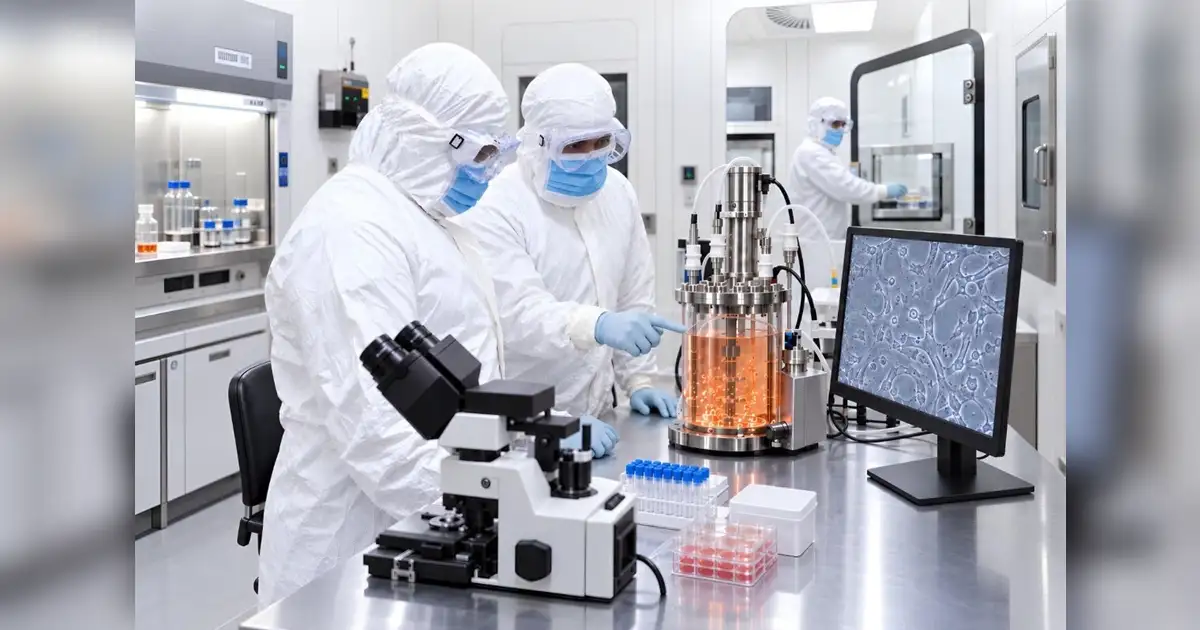
UAE Entity Files International Patent for Advanced Cardiac Research Technology Dubai, UAE – A significant milestone in the UAE’s biomedical innovation landscape has been reached with the filing of an international patent application under the Patent Cooperation Treaty (PCT) by First Stem Cell & Genomics Laboratory (FSG). The application pertains to a novel technology aimed at advancing cardiac research and regenerative medicine, reinforcing the UAE’s growing contribution to global scientific progress. Details of the Patent Application The patent application, titled “Scalable Generation of Human Induced Pluripotent Stem Cell-Derived Cardiac Organoids,” outlines an innovative methodology for producing cardiac organoids. These lab-grown models mimic specific characteristics of human heart tissue, offering researchers a powerful tool to study heart disease development, cellular responses, and evaluate potential treatments in a controlled environment. The scalability aspect of this invention is particularly significant, as it promises to facilitate faster and more efficient research in cardiovascular disease, drug discovery, personalised medicine, and regenerative therapies. The innovation has already garnered international recognition, having received a positive examination report from the Korean Intellectual Property Office. This report confirms that the technology meets key patentability requirements, including novelty, inventive step, and industrial applicability, underscoring the legal robustness and unique nature of the invention. Strategic Implications for UAE Innovation According to Dr. Fatma Alhashimi, CEO of First Stem Cell & Genomics Laboratory, this patent achievement is a testament to the ambition for Emirati science to make meaningful contributions to global healthcare. The initiative aligns with broader national strategies to strengthen the UAE’s position in advanced biomedical research and develop solutions with international impact. Such intellectual property filings are crucial for solidifying the UAE’s standing as a hub for scientific and technological innovation. Collaborative Development The development of this technology was a product of international scientific collaboration between First Stem Cell & Genomics Laboratory in the UAE and the Marga and Walter Boll Laboratory (MWBL) in Cologne, Germany. This partnership highlights the importance of cross-border collaboration in translating complex scientific discoveries into practical, patentable technologies. The underlying scientific research has been published in the peer-reviewed journal Theranostics, making the methodology and findings accessible to the global scientific and healthcare communities. This patent application marks a notable achievement for UAE-based institutions, demonstrating their capacity to generate impactful intellectual property in the life sciences sector and contribute to advancements that could shape the future of medicine.

UAE Leads Official Probe into FlyDubai Incident Regulatory Compliance
UAE Initiates Formal Investigation into FlyDubai Flight Incident, Citing National Jurisdiction Dubai, UAE – United Arab Emirates prosecutors have launched a formal investigation into a serious incident that occurred aboard a FlyDubai flight en route from Dubai on Wednesday. The UAE Attorney General has ordered the inquiry to thoroughly establish the circumstances and motives behind the event, including determining any potential links to terrorist activity or prior planning. The incident involved an alleged assault on the captain by an unidentified co-pilot, who is currently in custody. The aircraft, registered in the UAE and operating under its flag, landed in Tabuk, Saudi Arabia, following the event. UAE Asserts Legal Authority Over Incident UAE judicial authorities have confirmed their jurisdiction over the ongoing investigation. This assertion is based on the principle that offenses committed aboard a UAE-registered aircraft operating under its flag are subject to UAE law, irrespective of the geographical location where the incident transpires. This legal framework ensures that the UAE maintains sovereign legal authority over its national carriers and their operations. Scope of Attorney General’s Inquiry The Attorney General’s directive emphasizes a comprehensive investigation to uncover all pertinent details surrounding the incident. The inquiry will aim to clarify the sequence of events, identify the underlying motives, and assess any potential connections to organized criminal activity or premeditated acts. The unidentified co-pilot suspect remains in custody as the investigation proceeds. Captain’s Condition and Crew Status Following the landing in Saudi Arabia, the captain, Smit Machchhar, received initial medical treatment before being transferred to a hospital in Abu Dhabi, UAE, on Thursday for continued care. The remaining crew members of the flight were repatriated to Dubai. Authorities have assured the captain’s family of continuous support and updates regarding his health and recovery. Flight Incident Details Publicly available flight tracking data indicates that the aircraft experienced a rapid descent shortly after takeoff from Dubai. Emergency signals, including a change in the aircraft’s squawk code to “general emergency” and subsequently to indicate “unlawful interference,” were transmitted during the incident. The aircraft subsequently stabilized and landed safely in Tabuk. FlyDubai has confirmed that the flight “experienced an incident while en route” and landed as a precautionary measure.
UAE Intellectual Property: Emirati Innovation Secures Global Patent in Regenerative Medicine
UAE Entity Secures International Patent for Advanced Cardiac Research Technology Dubai, UAE – First Stem Cell & Genomics Laboratory (FSG), a leading UAE-based research institution, has announced the filing of an international patent application under the Patent Cooperation Treaty (PCT) for a groundbreaking technology in cardiac research and regenerative medicine. This development marks a significant intellectual property milestone for the United Arab Emirates in the biomedical sector. The patent application, titled “Scalable Generation of Human Induced Pluripotent Stem Cell-Derived Cardiac Organoids,” represents a strategic move to secure global protection for an innovative scientific method. This advancement is poised to contribute to the global healthcare landscape while reinforcing the UAE’s growing capabilities in advanced biomedical innovation. Dr. Fatma Alhashimi, CEO of First Stem Cell & Genomics Laboratory, underscored the significance of this achievement. “This patent milestone reflects our ambition to ensure that Emirati science contributes meaningfully to the future of global healthcare,” stated Dr. Alhashimi. “Our goal is to develop innovations that address real medical challenges, strengthen the UAE’s position in advanced biomedical research, and create solutions that may improve the lives of future generations.” The technology provides a scalable method for producing cardiac organoids, which are laboratory-grown models mimicking human heart tissue characteristics. These models are crucial tools for studying heart disease development, understanding cellular responses, and evaluating potential treatments in controlled research environments. The ability to produce these organoids on a larger and more consistent scale is expected to accelerate research in cardiovascular disease, drug development, personalised medicine, and regenerative therapies. From a legal and regulatory perspective, the innovation has already received a positive examination report from the Korean Intellectual Property Office. This report confirms that the invention satisfies the key patentability requirements, including novelty, inventive step, and industrial applicability, which are fundamental criteria for patent protection under international frameworks. The development of this technology was a result of an international scientific collaboration between First Stem Cell & Genomics Laboratory in the UAE and the Marga and Walter Boll Laboratory (MWBL) in Cologne, Germany. This partnership highlights the importance of cross-border scientific cooperation in complex research fields and the translation of laboratory discoveries into practically applicable technologies. The underlying scientific research has also been published in the peer-reviewed journal Theranostics, ensuring transparency and peer validation of the methodology. This patent filing underscores the UAE’s increasing investment in advanced healthcare, life sciences, and medical research, positioning local institutions as key contributors to global scientific progress and biomedical innovation. The strategic pursuit of international intellectual property rights, such as through the PCT system, is integral to safeguarding these advancements and facilitating their broader impact.
UAE University Honours 2024 Patent Recipients, Bolstering GCC Intellectual Property
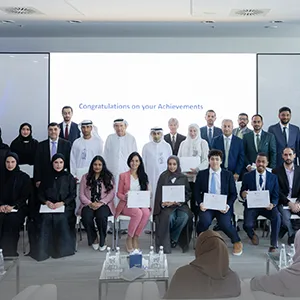
UAE University Expands Patent Portfolio, Reinforcing National Innovation Drive Abu Dhabi, UAE – The United Arab Emirates University (UAEU) has recognised a group of its faculty, researchers, and inventors for successfully securing patents from the United States Patent and Trademark Office during 2024. A ceremony, attended by His Excellency Zaki Anwar Nusseibeh, Cultural Advisor to His Highness the President of the UAE and Chancellor of UAEU, celebrated 37 innovators for their significant contributions to research and technological advancement. The recognition underscores the UAE’s strategic commitment to fostering a robust intellectual property landscape and driving innovation. Chancellor Nusseibeh highlighted the vital role of these breakthroughs in national development and global progress. Strategic Growth in Intellectual Property Assets In 2024, UAEU registered 30 new patents, expanding its total intellectual property portfolio to 287 patents across various industries. This growth reflects the institution’s dedication to transforming conceptual ideas into tangible, commercially viable solutions. Chancellor Nusseibeh emphasised that these achievements not only strengthen collaborative partnerships with industry but also accelerate the commercialisation of cutting-edge research outcomes. He urged researchers to continue aligning their work with national priorities, thereby maximising the economic and intellectual impact of their innovations. Enhancing Global Competitiveness Through Innovation The university’s Intellectual Property Office was commended for its efforts in streamlining patent registration processes and actively promoting applied research. This institutional support is crucial for inventors navigating the complexities of patent acquisition. The newly patented innovations span a broad spectrum of fields, including chemical technology, materials science, environmental engineering, renewable energy, medical applications, advanced manufacturing, and artificial intelligence. These diverse contributions are vital for addressing both national and international challenges and are seen as key drivers for enhancing the UAE’s global competitiveness in innovation and technology.
Emirati Regenerative Medicine Innovation Achieves Global Patent Milestone
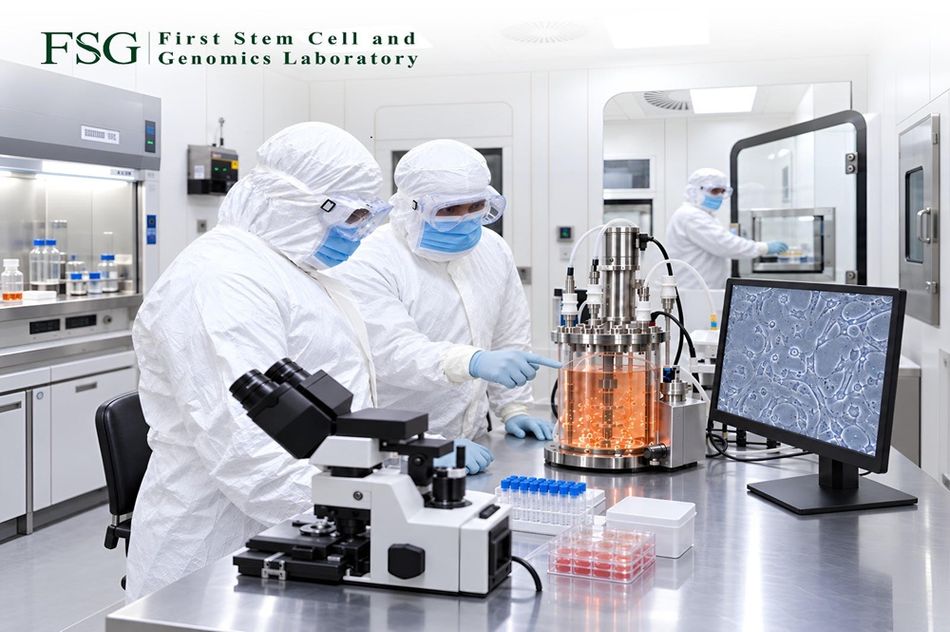
UAE Laboratory Secures International Patent for Cardiac Research Innovation Dubai, UAE – An Emirati-based biotechnology firm, First Stem Cell & Genomics Laboratory (FSG), has achieved a significant milestone in intellectual property by filing an international patent application under the Patent Cooperation Treaty (PCT). This development underscores the UAE’s growing contribution to advanced biomedical research and innovation within the global legal framework for intellectual property protection. The patent application, titled “Scalable Generation of Human Induced Pluripotent Stem Cell-Derived Cardiac Organoids,” outlines an innovative technology aimed at advancing cardiac research and regenerative medicine. This invention provides a scalable method for producing laboratory-grown models of human heart tissue, which are crucial for studying heart disease development, cellular responses, and evaluating potential treatments. Meeting Patentability Criteria A key aspect of this achievement is the positive examination report received from the Korean Intellectual Property Office. This report confirms that the innovation successfully meets the fundamental patentability requirements of novelty, inventive step, and industrial applicability. Such an assessment is critical for establishing the legal enforceability and global recognition of the patent rights. Strategic International Collaboration The development of this technology was a result of an international scientific collaboration between FSG in the UAE and the Marga and Walter Boll Laboratory in Cologne, Germany. This partnership highlights the importance of cross-jurisdictional collaboration in complex scientific research, particularly in areas where intellectual property rights can have a far-reaching impact on commercial and medical applications. The successful patent filing positions the UAE as a hub for scientific endeavors that adhere to global standards of innovation and legal protection. Implications for Biomedical Innovation in the GCC This patent filing represents a strategic advancement for the UAE’s burgeoning life sciences sector. By securing international intellectual property protection, FSG is not only safeguarding its innovation but also enhancing the UAE’s standing in advanced biomedical research. The ability of UAE-based institutions to successfully navigate the international patent system reinforces the nation’s commitment to fostering a robust ecosystem for scientific discovery and the commercialization of cutting-edge technologies. This contributes to the broader regulatory landscape supporting innovation and intellectual property in the GCC region.
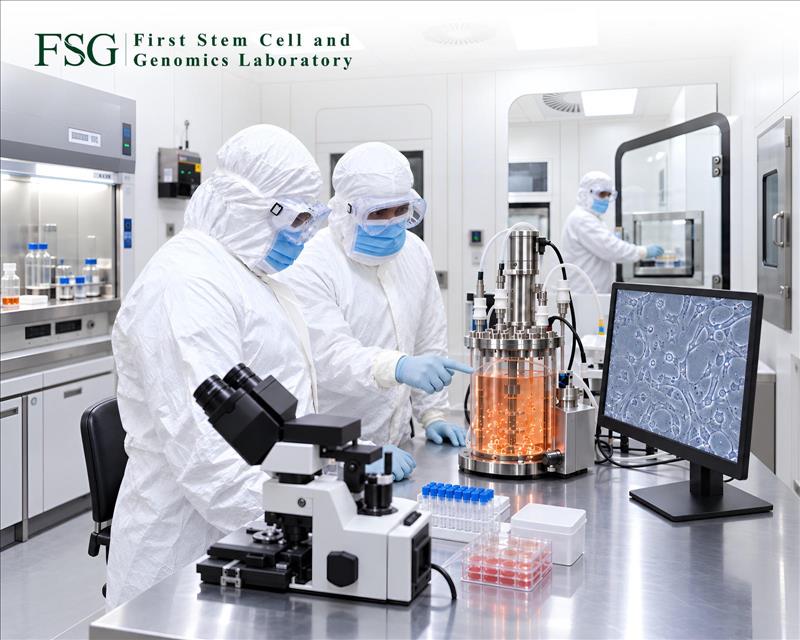
UAE Intellectual Property: Emirati Regenerative Medicine Innovation Marks Global Patent Milestone
Emirati Biomedical Innovation Secures International Patent for Advanced Cardiac Research Technology A leading UAE-based biotechnology and advanced laboratory organisation has announced a significant intellectual property achievement following the submission of an international patent application under the Patent Cooperation Treaty (PCT). The patent pertains to an innovative technology poised to advance cardiac research and regenerative medicine. The patent application, titled “Scalable Generation of Human Induced Pluripotent Stem Cell-Derived Cardiac Organoids,” marks a notable milestone for biomedical innovation originating from the United Arab Emirates. This development underscores the organisation’s dedication to developing practical scientific solutions with global potential. The innovation has already received a positive examination report from the Korean Intellectual Property Office, confirming its compliance with essential patentability criteria, including novelty, inventive step, and industrial applicability. In essence, the technology introduces a scalable method for producing cardiac organoids, which are laboratory-grown models mimicking human heart tissue characteristics. These models are crucial for studying heart disease progression, understanding cellular responses to various conditions, and evaluating potential treatments within a controlled research setting. By enabling the consistent and large-scale production of these organoids, the technology is expected to facilitate faster and more efficient research in areas such as cardiovascular disease, drug development, personalised medicine, and regenerative therapies. The CEO of the organisation emphasised that this patent milestone reflects the ambition for Emirati science to make meaningful contributions to the future of global healthcare. The stated goal is to develop innovations that address critical medical challenges, thereby strengthening the UAE’s position in advanced biomedical research and creating solutions that could enhance the lives of future generations. It is important to note that this achievement provides an advanced scientific platform for researchers, rather than representing a direct treatment or cure for heart disease. The innovation resulted from an international scientific collaboration between the UAE-based entity and the Marga and Walter Boll Laboratory in Cologne, Germany, involving Prof. Kurt Pfannkuche and Dr. Sarkawt Hamad. This partnership combined specialist expertise in stem cell science, cardiac tissue modelling, and regenerative medicine, illustrating the importance of international collaboration in translating laboratory discoveries into practical technologies. The underlying scientific research supporting this innovation has been published in the peer-reviewed journal Theranostics. As the UAE continues its strategic investment in advanced healthcare, life sciences, and medical research, this intellectual property achievement highlights the increasing contribution of UAE-based institutions to global scientific progress and biomedical innovation. The organisation provides commercial services and products across stem cell banking, genomics, genetic testing, consumer genomics, and regenerative medicine, aiming to advance personalised healthcare and contribute to the future of life sciences within the UAE and beyond.