

Abu Dhabi Court Orders Etisalat to Pay Dh30 Million for Patent Infringement, Cease Mobile TV Service Abu Dhabi, UAE – The Abu Dhabi First Instance Court has issued a significant ruling in an intellectual property dispute, ordering Emirates Telecommunications (Etisalat) to pay an Abu Dhabi resident Dh30 million in compensation and to halt its mobile television services. The decision follows a claim of patent infringement related to the technology underpinning Etisalat’s mobile TV offerings. The case was brought by Mosa Isa Mosa Al Amiri, who alleged that Etisalat utilised his patented invention without consent or knowledge, constituting a violation of his intellectual property rights. Mr. Al Amiri’s invention involves a system designed for transmitting high-quality video via the internet, a concept he contended was central to Etisalat’s mobile TV services, which allow subscribers to view satellite television content on their mobile devices for a monthly fee. Background to the Intellectual Property Claim Mr. Al Amiri secured approval for the registration of his invention on November 5, 2003, subsequently obtaining an international patent (No. BCT/1B2004/003630) approximately a year later. He further applied for local registration of his invention on March 6, 2006. Prior to legal action, Mr. Al Amiri sent warnings to Etisalat regarding the alleged exploitation of his invention, but stated that the responses received were unsatisfactory, leading to the initiation of the lawsuit. Initially seeking Dh20 million, the compensation claim was later increased to Dh100 million by his legal representation, citing moral and financial damages. Etisalat, in its defence, denied the accusations, asserting that its mobile TV system was acquired from a Chinese company, Huawei, and that no infringement had occurred. Court Proceedings and Expert Findings The judicial process involved several stages of expert evaluation. On May 5, 2009, the court appointed an initial expert to examine the claim. This expert’s report concluded there were no similarities between Mr. Al Amiri’s invention and the system deployed by Etisalat, corroborating the telecom firm’s position that it had purchased the system from a third party. Dissatisfied with these findings, the plaintiff requested the appointment of experts with specialised technical knowledge. The court then constituted a committee of three experts. This panel identified similarities between Mr. Al Amiri’s system and Etisalat’s technology, though it estimated the match to be less than 20 percent and stated that the plaintiff had not definitively proven a patent violation. Undeterred, Mr. Al Amiri appealed for a further expert assessment, specifically requesting a panel composed of patent experts. A third three-member committee was subsequently formed. This expert panel’s report proved decisive, affirming that Etisalat’s system was indeed based on the fundamental idea of the patented invention and confirming a violation of the plaintiff’s rights. Legal Basis for the Verdict Based on the conclusive findings of the final expert committee and in accordance with UAE Law No. 17 of 2002, which pertains to industrial regulation and the protection of patents, the Abu Dhabi First Instance Court rendered its verdict against Etisalat. The court’s decision underscores the robust legal framework in the UAE designed to protect intellectual property rights and reinforces the importance of respecting patented innovations within commercial operations.

UAE Intellectual Property: Understanding Divisional Patent Applications
UAE Patent Office Introduces Guidance for Divisional Patent Applications Dubai, UAE – The United Arab Emirates Patent Office has begun issuing recommendations within its examination reports for the filing of divisional patent applications, addressing a long-standing point of ambiguity in the nation’s patent framework. This move aims to provide clarity for applicants when an invention or group of inventions lacks unity, as required by existing law. While the current UAE Patent Law and its implementing regulations do not explicitly detail provisions for divisional patent applications, the Patent Office has acknowledged this legislative gap. The law stipulates that a single patent can be granted for an invention or a group of interrelated inventions that share “one general innovative concept.” Previously, it was unclear how the Patent Office would proceed in cases where an examination determined that this unity of invention was absent. In response to these scenarios, recent examination reports from the UAE Patent Office now specifically reference the absence of a formal divisional application route to remedy a finding of lack of unity of invention. Consequently, the reports advise applicants to file a new divisional application with the UAE Patent Office, directly invoking the principles of the Paris Convention. As a signatory to the Paris Convention, the UAE is bound by its provisions, which have direct legal effect within the country, implicitly supporting mechanisms like divisional applications. For applicants opting to follow this recommendation, the guidance stipulates that any such divisional application must not extend beyond the disclosure contained in the original patent application. Furthermore, the newly filed application must explicitly reference the original application from which the division is sought. This operational adjustment by the Patent Office is seen as a proactive measure to enhance the patent application process, particularly for complex inventions. Looking ahead, it is widely anticipated that forthcoming revisions to the UAE Patent Law will formally integrate and codify specific provisions for divisional applications, thereby providing a clear legislative basis for this practice.
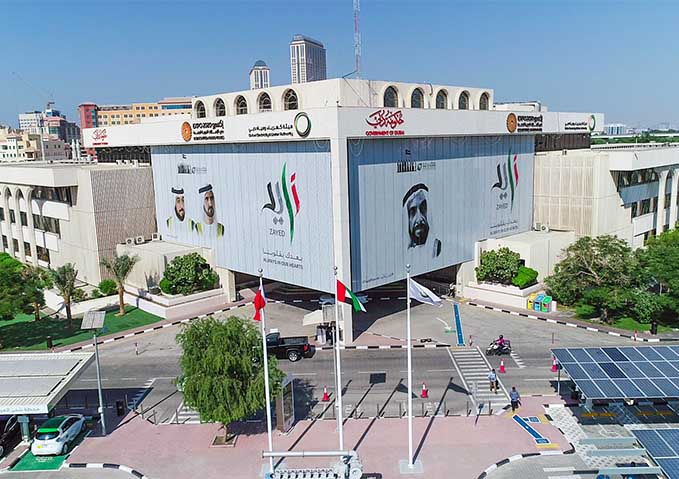
Dubai Utility Company Files UAE Patent for Energy Storage Chemical Liquid
Dubai Authority Files Patent for Advanced Energy Storage Technology Dubai, UAE – The Dubai Electricity and Water Authority’s (DEWA) Research and Development Center has taken a significant step in intellectual property protection by submitting a patent application for a newly developed chemical liquid. This innovation, characterized by its high thermal and electrochemical stability, is poised to enhance energy storage systems, marking a notable advancement in the region’s clean energy landscape. The patent filing underscores the UAE’s commitment to fostering a robust framework for innovation, particularly in critical sectors like renewable energy and sustainable technology. The chemical liquid is designed to improve the efficiency and operational security of energy storage, especially within lithium-ion batteries commonly utilized in electric vehicles. This development offers a secure and effective solution for the evolving demands of energy storage operations. Saeed Mohammed Al-Tayer, Managing Director and CEO of DEWA, highlighted that this patent application reinforces the authority’s dedication to advancing energy security and sustainability, aligning with international best practices. He further elaborated that such intellectual property developments are crucial in elevating Dubai’s stature as a global hub for clean energy and a sustainable economy. DEWA’s strategic approach integrates the leveraging of Fourth Industrial Revolution technologies and digitalization to innovate utility services. The patent application is part of a broader corporate strategy focused on diversifying the energy mix and enhancing storage capabilities. This strategy encompasses initiatives such as the Mohammed bin Rashid Al Maktoum Solar Park, the Hatta hydroelectric power plant, and the Green Hydrogen project, alongside pilot energy storage projects utilizing lithium-ion and sodium-sulfur battery solutions. In related developments reflecting DEWA’s commitment to clean energy infrastructure, the authority recently partnered with a state-owned renewable energy firm for the construction and management of the 1,800-megawatt sixth phase of the Mohammed bin Rashid Al Maktoum Solar Park. This project, with an estimated cost of up to 5.51 billion dirhams, will be executed under the independent power producer model, further solidifying the UAE’s position in large-scale renewable energy projects.
Abhimanyu Kharb joins Stanza Living as General Counsel – ETLegalWorld.com
Abhimanyu Kharb joins Stanza Living as General Counsel ETLegalWorld.com
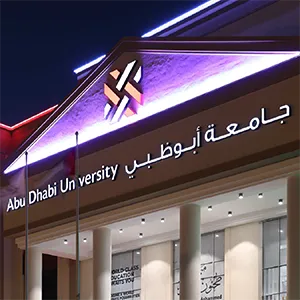
UAE Intellectual Property: Abu Dhabi University Gains International Renewable Energy Patent
Abu Dhabi University Secures US Patent for Renewable Energy Innovation Abu Dhabi, UAE – Abu Dhabi University (ADU) has been awarded a patent from the United States Patent and Trademark Office (USPTO) for a pioneering invention in the field of renewable energy. This significant intellectual property achievement underscores the institution’s commitment to advancing research and innovation. The patent, titled “Deformable model for performance enhancement of photovoltaic-wind hybrid system,” addresses a critical challenge in renewable energy generation: improving the efficiency and sustainability of integrated energy systems. The innovation details a unique approach to combining wind and photovoltaic (PV) energy sources within a single, autonomous system. The core of the patented technology involves a deformable model that enables precise adjustments to wind turbine arms and dynamic control over the tilt of PV modules. By optimizing these elements to ideal angles, the system aims to substantially enhance energy production compared to traditional hybrid setups. This distinctive integration method promises improved energy harvesting rates. University officials highlighted the strategic importance of this patent in fostering innovative solutions beneficial to both students and the wider community. The development aligns with the global imperative to transition towards cleaner energy sources and is expected to contribute to the UAE’s broader renewable energy initiatives. Furthermore, the university stated that this intellectual property milestone will provide a robust platform for students to engage with various aspects of renewable energy, including system optimisation, embedded systems, and solar tracking algorithms. Such exposure is intended to cultivate practical skills and knowledge in cutting-edge energy technologies. The patent represents a significant step for ADU in solidifying its role as a key contributor to scientific and technological advancements in the region.

UAE Regulatory Compliance: BioAro Longevity+ Supplement Approved, Shaping Preventive Health Market
UAE Grants Regulatory Approval for Biotech Nutraceutical, Highlighting IP and Market Compliance Dubai, UAE – July 08, 2025 – A Canadian biotechnology firm, BioAro, has secured crucial regulatory approvals and market entry clearance within the United Arab Emirates for its inaugural nutraceutical product, Longevity+™. This development marks a significant compliance milestone for the company and underscores the UAE’s role as a progressive market for health and wellness innovation. The new product, a scientifically formulated capsule designed to support healthy aging, is launching with a patent-pending formula, signaling robust intellectual property protection efforts by BioAro. The trademark Longevity+™ further reinforces the company’s brand identity in the competitive global longevity and healthy aging market. Regulatory Pathway and Market Entry in the Emirates The successful attainment of regulatory clearance in the UAE is a pivotal step for BioAro’s international expansion strategy. This approval allows for the commercial launch and distribution of Longevity+™ within the Emirates, positioning the country as a primary market for the product’s introduction. The firm is now poised to pursue further market entries across North America, Europe, the UK, India, and Southeast Asia, leveraging its UAE precedent. Company representatives have indicated that the formulation of Longevity+™ is rooted in extensive precision health research, integrating genomics, metabolomics, and personalized medicine, which aligns with the UAE’s focus on advanced healthcare solutions and regulatory oversight for health-related products. Intellectual Property and Strategic Development The “patent-pending” status for Longevity+™ covers its novel combination of active ingredients and delivery mechanism. This protection of its unique scientific formulation is central to BioAro’s commercial strategy, safeguarding its innovation in the rapidly expanding nutraceutical sector. The company’s approach emphasizes systems-level thinking in supplementation, aiming to restore molecular harmony through a synergistic blend of ingredients. In addition to market launch, BioAro plans to integrate Longevity+™ into its existing clinical longevity programs, which include personalized health assessments and digital wellness tracking. Plans are also underway for clinical pilot studies to be conducted in both Canada and the UAE, focusing on biomarker tracking to validate the product’s outcomes in real-world populations. This scientific validation process, undertaken within the UAE, will contribute to the product’s credibility and regulatory standing. BioAro, a Canadian biotechnology and precision health company, maintains a presence across various regions, including the GCC, affirming its commitment to the regional healthcare landscape. The company specializes in multi-omics and AI-driven diagnostics, integrating genomics and personalized therapeutics into healthcare.

UAE’s ‘HearMe’ App: Intellectual Property Protection for Digital Innovation
UAE Innovation Recognised with Patent for AI-Powered Sign Language Translation Platform Abu Dhabi, UAE – An innovative AI-powered multilingual sign language translation platform, HearMe, has been awarded a patent, marking a significant development in accessibility technology within the UAE. The platform, developed through collaborative academic research, provides real-time bidirectional translation capabilities crucial for enhancing communication for individuals with hearing impairments. Patent Details and Technological Advancement The patent covers the HearMe application’s unique functionality, which translates signed gestures into written text and converts typed text into animated sign language instantaneously. The system supports multiple sign systems, including American and French sign languages, addressing a critical gap in spontaneous and everyday communication scenarios. This technological achievement is particularly noteworthy for its ability to interpret continuous hand motion and gestures in context, generating natural animated sign language output from text – a complex technical challenge. Alignment with National Inclusion Strategies This patent award underscores the UAE’s commitment to fostering innovation that aligns with its national priorities of inclusion, accessibility, and sustainable development. The HearMe platform’s objectives are directly in line with the broader objectives of the UAE National Policy for Empowering People of Determination. Experts involved in its development highlighted its potential to strengthen the participation of individuals with hearing impairments in academic, professional, and social environments. The technology aims to bridge communication gaps in various settings, from classroom exchanges and hospital consultations to workplace meetings and government service interactions. This focus on improving daily interactions is particularly relevant given global statistics, which indicate that over 430 million people worldwide live with disabling hearing loss, a figure projected to exceed 700 million by 2050. Future Development and Impact Originating from undergraduate research at Abu Dhabi University, with contributions from an Associate Professor of Computer Science, the platform’s initial development faced challenges, including limited access to resources during a global lockdown. However, the perseverance in learning and applying machine learning principles from scratch ultimately led to this significant intellectual property milestone. Abu Dhabi University has confirmed its plans to continue developing the HearMe platform. These efforts will be integrated with broader institutional inclusion initiatives, with further rollout anticipated across academic and professional environments. This ongoing commitment signals a continued focus on leveraging technological advancements to create a more accessible and inclusive society within the UAE.
Qatar strengthens trademark protection through staff training – Qatar Tribune
Qatar strengthens trademark protection through staff training Qatar Tribune
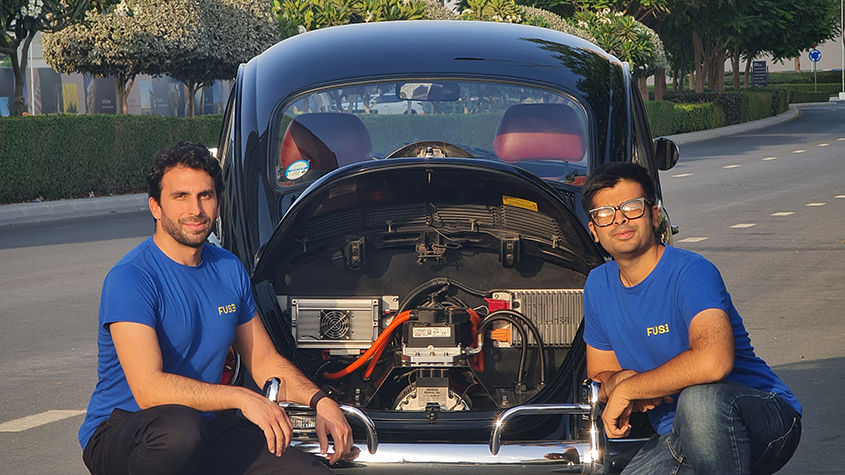
GCC Legal Frameworks & Regulatory Compliance for FUSE Electric Car Conversion Services
UAE Innovator Strengthens IP Portfolio in Green Mobility Sector Amidst Evolving Regulatory Framework Dubai, UAE – A Dubai-based engineering services company specializing in the conversion of internal combustion engine vehicles to electric vehicles (EVs) is actively pursuing robust intellectual property (IP) protection for its innovations. This move coincides with the United Arab Emirates’ ongoing efforts to enhance its national patenting processes and its recent accession to key international IP treaties, signaling a maturing legal landscape supportive of technological advancement. Strategic IP Protection for EV Technology The company, established in 2021, initially focused on retrofitting classic cars into EVs and has since expanded its operations to include the electrification of commercial fleets such as buses, vans, and trucks. A core element of its strategy is the proprietary smartphone application developed in-house. This application collects vital performance data, including energy consumption and usage patterns, enabling optimization of fleet efficiency and logistics for commercial clients. To safeguard its technological advancements, the company is currently engaged in the patent application process for this innovative mobile application. Furthermore, it is exploring options to copyright the underlying software code that powers the app, as well as its unique proprietary techniques developed for converting vehicles’ powertrains. This multi-faceted approach to IP protection aims to secure the company’s competitive edge in the rapidly growing green mobility sector. Advancements in UAE’s Intellectual Property Landscape These IP initiatives are taking place against a backdrop of significant developments within the UAE’s legal and regulatory environment for intellectual property. The national IP authorities are actively working to streamline and enhance the user-friendliness of the patenting process, fostering a more conducive environment for innovators. A notable milestone in the UAE’s commitment to strengthening its IP framework was its accession to the Madrid Protocol. The UAE deposited its instrument of accession in September 2021, officially becoming the 109th member of the Madrid System and the third Gulf Cooperation Council (GCC) country to join, following Bahrain and Oman. The Protocol officially entered into force for the United Arab Emirates on December 28, 2021. This accession provides UAE-based businesses with a more efficient and cost-effective mechanism for registering and managing trademarks internationally, further integrating the nation into the global IP protection network. Implications for Innovation and Commercial Law The strategic pursuit of patents and copyrights by local innovators, coupled with the government’s proactive measures to bolster the IP infrastructure, underscores the UAE’s commitment to fostering innovation, particularly in sustainable technologies. For businesses operating within the UAE and looking to expand internationally, these developments highlight the increasing importance of understanding and leveraging national and international IP frameworks to protect their commercial interests and ensure regulatory compliance. The enhanced IP landscape is expected to encourage further investment in research and development, contributing to economic diversification and a knowledge-based economy within the GCC.

UAE Commercial Law: Rwandan Avocado Trade and Market Entry Regulations
UAE Bolsters Agricultural Imports with Significant Avocado Consignment, Highlighting Regulatory Compliance Dubai, UAE – The United Arab Emirates has recently been the destination for a substantial commercial shipment of avocados, underscoring the nation’s role as a prominent market for international agricultural produce. A consignment weighing 70 tonnes was delivered to the UAE via charter flight from Rwanda, marking a notable cross-border commercial transaction in the horticulture sector. The arrival of this large-scale shipment highlights the intricate commercial frameworks and regulatory compliance essential for international trade in perishable goods. The transaction involved connecting an organised network of smallholder farmers with buyers in the UAE, facilitated by market access initiatives designed to streamline agricultural exports. Central to the success of such imports is adherence to stringent international and domestic regulations. The exporting entity confirmed its focus on strengthening packaging, ensuring rigorous quality assurance, and maintaining phytosanitary compliance to meet the demanding requirements of the importing market. These measures are critical for agricultural products entering the UAE, aligning with the nation’s standards for food safety and import quality. The operation also demonstrated the logistical complexities involved in sourcing produce from diverse networks and delivering it to international buyers, showcasing the importance of a seamless supply chain. The ability to meet buyer specifications and navigate export logistics is paramount for sustained commercial relationships within the global food trade. This event reflects the UAE’s ongoing engagement in diverse international trade partnerships and its robust regulatory environment for agricultural imports.