
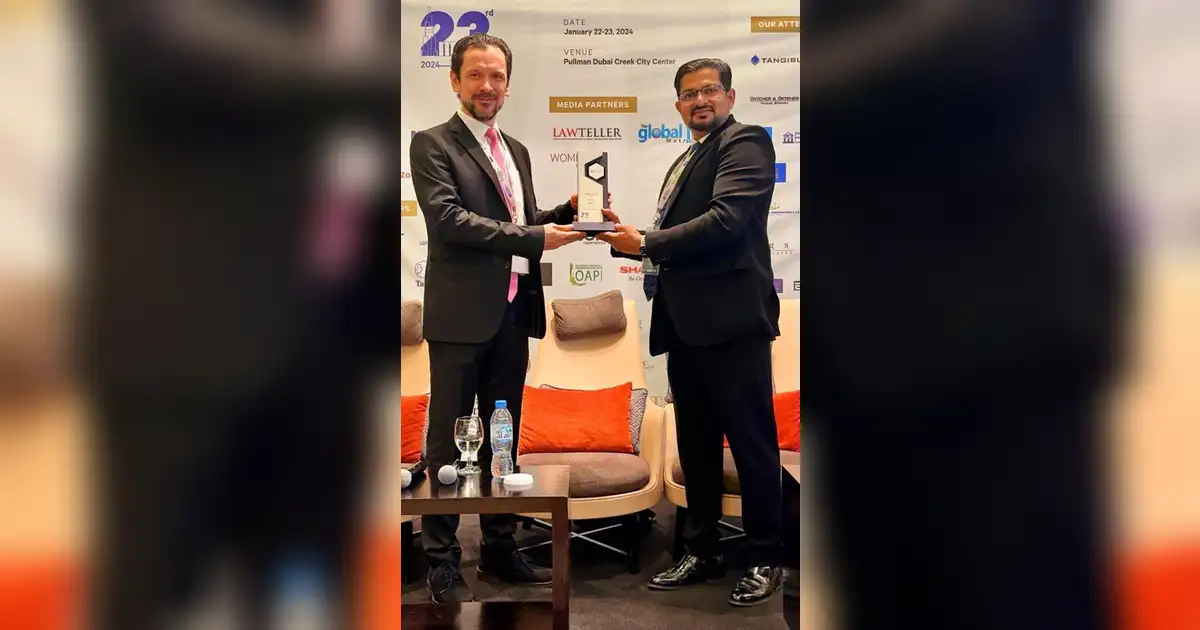
UAE-Based IP Professional Honoured as ‘Patent Attorney of the Year’ Dubai, UAE – [Date of Article Generation, e.g., February 12, 2024] – A prominent intellectual property law professional based in the UAE has been bestowed with the esteemed ‘Patent Attorney of the Year’ title by the International Intellectual Property Law Association (IIPLA, USA). This significant commendation highlights the individual’s substantial contributions and deep expertise within both global and local intellectual property frameworks. Recognition for Excellence in Intellectual Property The award, formally announced on January 22, 2024, by the IIPLA, USA, acknowledges a career distinguished by innovation, meticulousness, and a comprehensive grasp of patent and copyright legislation. The recipient has consistently demonstrated exceptional proficiency and commitment to both clients and the broader legal community. Shaping Global IP Practices The honouree has played a crucial role in influencing international intellectual property practices, establishing themselves as a leader within the IP sector. Their extensive knowledge and skill in patent and copyright laws have led to numerous successful outcomes across various legal, litigation, and investment landscapes. This includes navigating the complexities of intellectual property litigation, mergers and acquisitions, and IP-based investment transactions. Upon receiving the accolade, the professional expressed profound honour, stating that the recognition not only marks a personal achievement but also underscores the collective effort and dedication of their team. They affirmed their commitment to advancing efforts in protecting and monetising clients’ intellectual property assets in an ever-evolving field. Strategic Counsel and Legal Innovation Throughout their career, the acclaimed professional has adeptly managed intricate intellectual property legal challenges, offering strategic guidance to a diverse clientele ranging from emerging enterprises to multinational corporations. Their enthusiasm for legal innovations, particularly in developing strategic approaches for AI-created IP works, coupled with an unwavering commitment to upholding the highest ethical standards, has solidified their standing as a leading figure in the legal community.
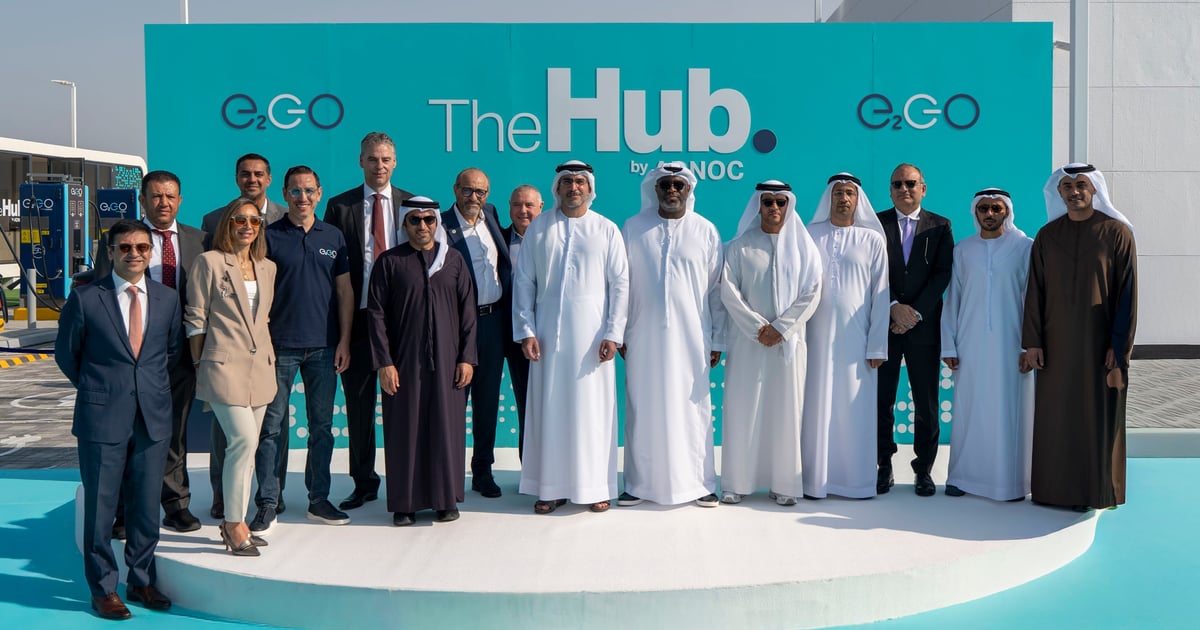
ADNOC’s UAE Superfast EV Hub: Regulatory Compliance and Commercial Law Focus
UAE Advances Electric Vehicle Infrastructure Under National Policy Framework Abu Dhabi, UAE – The United Arab Emirates is significantly progressing its electric vehicle (EV) infrastructure, with a major national energy company announcing an ambitious roadmap to electrify the country’s highway network. This development is a direct reflection of the UAE’s commitment to its National Electric Vehicles Policy and broader sustainable mobility objectives. A new superfast EV charging hub, described as the largest of its kind in the Middle East, Africa, and Turkey, has commenced operations at Saih Shuaib on the vital E11 highway connecting Abu Dhabi and Dubai. This facility, equipped with 60 high-speed charge points, can power most EVs to 80% capacity in approximately 20 minutes, addressing a key concern for intercity commuters regarding ‘range anxiety’. Strategic Expansion Aligned with National Targets The national energy company has outlined plans to establish 20 EV charging hubs by the close of 2027, with 15 scheduled to be operational by the end of 2026. This comprehensive network aims to provide essential charging services across all core UAE national highways, forming a critical backbone for seamless long-distance EV travel and supporting the nation’s energy transition. This initiative is closely aligned with the Ministry of Energy and Infrastructure’s 2050 target, which stipulates that 50% of all vehicles on UAE roads will be battery electric. Officials from the Ministry of Energy and Infrastructure underscored the project’s importance, particularly its strategic location on the E11 highway, as a key component of the UAE’s sustainable mobility agenda. Government Incentives and Regulatory Support Bolstering Adoption The expansion of the UAE’s EV infrastructure is significantly bolstered by ongoing government policy support and regulatory incentives. These measures include free EV registration, complimentary parking, and reduced charging tariffs, all designed to encourage greater adoption of electric vehicles among the populace. Market forecasts project that EVs will account for over 15% of new vehicle sales in the UAE by 2030, a figure expected to rise to 25% by 2035. This anticipated growth is largely attributed to these robust government incentives and the systematic expansion of the charging infrastructure. Collaborative Regulatory Environment Beyond this major initiative, the UAE’s regulatory landscape is fostering a collaborative environment for EV infrastructure development. Recent deployments include new chargers in Dubai’s airport corridor. Furthermore, partnerships between international technology providers and local UAE companies are accelerating nationwide charging rollout, focusing on advanced solutions like vehicle-to-grid interaction and intelligent charging platforms. Municipal authorities are also playing a crucial role, with entities like the Dubai Electricity and Water Authority (DEWA) and Parkin partnering to deploy 100 EV chargers across Dubai. These efforts are strategically targeting high-density residential and commercial areas, further mitigating range anxiety and enhancing accessibility for prospective EV owners. The ongoing infrastructure development underscores the UAE’s proactive approach to establishing a comprehensive and supportive ecosystem for electric vehicles, firmly rooted in national policies and regulatory frameworks designed to achieve long-term sustainability goals.
UAE University Registers Over 300 Patents in 2025, Strengthening National Intellectual Property Framework
UAE University Bolsters National Innovation Landscape with Over 300 Patent Registrations The United Arab Emirates University (UAEU) has announced a significant achievement in intellectual property development, with its total number of patent registrations now exceeding 300. This milestone underscores the university’s sustained leadership in research and innovation, contributing notably to the nation’s knowledge-based economy. The growing portfolio of 303 patents by 2025 highlights UAEU’s strategic commitment to fostering a culture of innovation and supporting applied research that delivers both economic and social impact. These intellectual property protections span a broad array of advanced technological fields, including biology, engineering, artificial intelligence, medical technologies, energy solutions, and environmental sciences, reflecting the diverse research endeavors undertaken across the university. A key element of this success is the institution’s proactive approach to expanding its research ecosystem and forging robust partnerships with universities, research institutions, and industry centers globally. UAEU is focused on strengthening its patent assets by promoting advanced research initiatives, implementing incentives for innovation, and facilitating international cooperation to drive impactful technological advancements. This includes providing specialized training workshops and streamlining processes for patent registration and commercialisation, thereby enhancing the university’s active contribution to national economic development. This substantial intellectual property growth is a direct outcome of a comprehensive research environment, supported by dedicated research centers, funding for high-impact projects, and extensive international collaboration. These efforts align seamlessly with the UAE’s national vision to cultivate a knowledge-based economy and the national strategy for advanced innovation, which places research at the core of sustainable development. The university’s global standing in patent acquisition was previously recognised in 2021, when it secured 90th place among the top 100 universities worldwide for US-granted patents. The registered patents are strategically directed towards translating research outcomes into practical applications that benefit society, aligning with critical national strategic priorities such as renewable energy, medical and health sciences, space science and technology, artificial intelligence, material science, and advanced manufacturing. Contributions emanate from various colleges, with the College of Engineering notably leading in innovation and applied research. Other significant intellectual property generation stems from the Colleges of Science, Information Technology, and Medicine and Health Sciences, particularly in biotechnology, material sciences, and advanced medical care solutions. The university’s support for diverse specialisations has also led to interdisciplinary patents, such as those integrating AI-supported medical devices and smart energy management systems. Through initiatives like innovation centers, research hubs, and industry partnerships, UAEU continues to cultivate a robust culture of innovation and entrepreneurship among its academic community.
UAE Launches Initiative to Streamline Inventor Patent Registration
UAE Launches ‘Patent Hive’ Initiative to Streamline Patent Process and Boost Innovation Abu Dhabi, UAE – January 7, 2025 – The United Arab Emirates has unveiled a significant new initiative, dubbed ‘Patent Hive’, aimed at substantially enhancing its patent approval process, fostering innovation, and encouraging a greater volume of intellectual property submissions. Led by the Ministry of Economy, the programme seeks to reduce administrative burdens and registration expenses for innovators across the nation. The primary objectives of the ‘Patent Hive’ initiative include drastically cutting the time required for patent registration and increasing the overall number of patent grants. This strategic move is designed to bolster the UAE’s global standing in innovation and competitiveness. Expedited Registration and Increased Patent Targets A cornerstone of the initiative is the ambitious target to reduce the patent registration timeframe from an average of 42 months to just 6 months. Concurrently, the Ministry of Economy aims to boost the total number of patents from the current 4,481 to 6,000 by the year 2026. These targets underscore the government’s commitment to creating a more agile and responsive intellectual property framework. The initiative was formally introduced at an event engaging key representatives from universities and research centres, highlighting the collaborative ethos between public and private sectors central to its success. Incentives for Young Innovators and Capacity Building To stimulate innovation among the younger generation, the ‘Patent Hive’ initiative incorporates specific incentives. Students and innovators under the age of 21 will benefit from reduced registration fees, with some even qualifying for zero-cost submissions. Furthermore, the programme will provide essential training and consultation services, developed in partnership with the World Intellectual Property Organization (WIPO). This collaboration aims to cultivate local expertise in intellectual property matters and raise broader awareness about the importance and protection of IP rights within the UAE’s innovation ecosystem. The comprehensive approach is expected to foster a vibrant environment for intellectual property creation and commercialisation.
UAE Regulatory Compliance Drives Sustainable Agriculture in Sharjah Desert
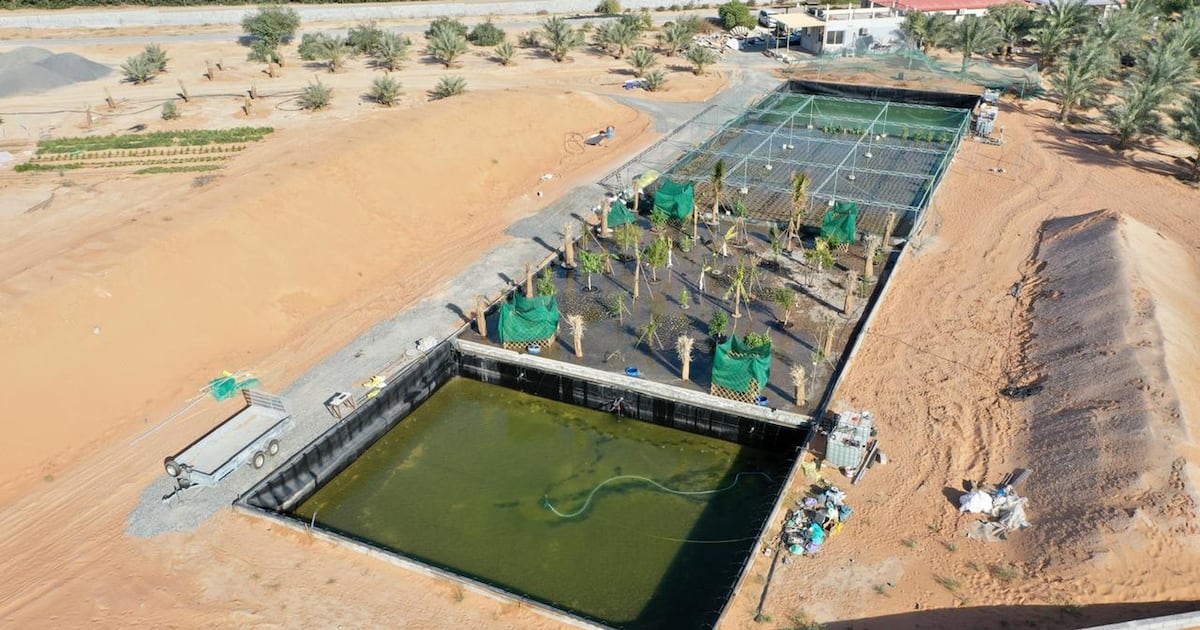
UAE Innovator Secures US Patent for Advanced Agroponic System Dubai, UAE – An Emirati innovator, Mohamed Al Nuaimi, has been granted a US patent for his groundbreaking agroponic system, an advanced agricultural technology developed in the UAE. The patent recognizes the unique design of a system capable of significantly increasing crop yields while drastically reducing water consumption, a critical advancement for sustainable agriculture in arid regions. Patented Innovation for Sustainable Agriculture The patented system integrates aquaculture (fish rearing) with hydroponics (soil-less plant cultivation) in a sophisticated, computer-controlled environment. Utilizing multiple sensors and artificial intelligence-based monitoring, the design recycles water, waste, and nutrients, requiring only 10 to 20 percent of the water typically used in traditional farming methods. This cutting-edge approach has been developed and refined in Sharjah, UAE, demonstrating its efficacy over a five-year pilot project that successfully yielded diverse crops, including basmati rice. Mr. Al Nuaimi expressed satisfaction with the project’s outcome and the granting of the agricultural patent, underscoring the system’s adaptability across different regions and its benefits for land management by eliminating the need for crop rotation. The closed-loop system efficiently processes water from fish tanks through biofiltration units, converting ammonia into nitrates for plant nourishment before returning the purified water to the fish. The design also incorporates the use of excess nitrogen-rich water for irrigating palm trees and has been enhanced with a chicken coop to further integrate nutrient cycling. Commercial and Food Security Implications The agroponic system holds substantial implications for food security and commercial viability within the GCC region and beyond. Pilot project results indicate yields of leafy greens approximately ten times higher than those from conventional farming, attributed to optimized nutrient conditions, high planting density, and consistent year-round production. This reliable multi-season performance addresses the challenges posed by extreme climatic conditions, ensuring a stable supply of produce and fish. Furthermore, the system produces food that could be categorized as organic, aligning with the growing demand in the UAE for locally grown and sustainably produced products. While the inventor’s primary motivation was scientific contribution, he expressed confidence in the system’s potential to generate profit if scaled up, highlighting a significant business opportunity arising from this intellectual property. The ability to operate off-grid using solar power further enhances its commercial attractiveness and environmental credentials.

UAE Design Registration: Navigating Intellectual Property Procedures
UAE Strengthens Industrial Design Protection Framework Dubai, UAE – The United Arab Emirates continues to fortify its intellectual property landscape, offering robust mechanisms for the registration and protection of industrial designs. This framework is crucial for businesses and individuals seeking to safeguard their creative works and prevent unauthorized use within the Emirates. Exclusive ownership rights granted through design registration enable holders to control usage, licensing, and enforcement against infringement, underscoring the UAE’s commitment to fostering innovation. Industrial Design Registration: A Key to Protection To qualify for industrial design registration in the UAE, a design must meet specific criteria: it must be new, innovative, and applicable to industrial or handicraft products. Designs that violate public order or moral standards, as stipulated by UAE law, will not be accepted. The registration process allows for the inclusion of multiple related designs within a single application, provided they share connections in terms of manufacturing and usage, with a cap of twenty designs per application. Navigating the Application Process with the Ministry of Economy The UAE Ministry of Economy is the overseeing authority for industrial design registration. Applicants are required to submit a formal application accompanied by a set of essential documents and information. These include clear representations of the design, a certified copy of the Priority Document (if applicable, with Arabic and English translations to be submitted within 90 days), an original Power of Attorney legalized by the UAE Consulate (within 90 days), a Deed of Assignment from the designer(s) to the applicant (if applicable, legalized within 90 days), and a Certificate of Incorporation or Articles of Association for corporate applicants (legalized within 90 days). Following submission, the application undergoes a formality examination by the Patent Office to ensure all filing requirements are met. Unlike patents, industrial designs are not subjected to a substantive examination for novelty or inventive step beyond checking for compliance with public order and moral standards. Upon acceptance, the application is published in the Official Gazette, initiating a period during which third parties may file an opposition. If no oppositions are successfully raised, the registration certificate is issued. Understanding Fees, Timelines, and Examination Procedures Industrial design registration in the UAE provides protection for ten years from the filing date, subject to the payment of annual maintenance fees, which commence from the filing date. The overall cost varies based on the applicant’s status (individual or corporate) and the number of designs. For applicants claiming priority under international agreements, the filing must occur within six months from the priority date. The formality examination ensures all submitted documents are complete and correctly formatted. While a substantive examination for novelty is not conducted by the Patent Office itself, common grounds for refusal include a lack of novelty (unless within the 12-month grace period for designer disclosure), violation of public order or morality, failure to comply with formal requirements, or similarity to prior registered designs. Publication, Opposition, and Dispute Resolution After passing the formality examination and payment of the publication fee, the design is published in the UAE Official Gazette, usually within two months. This public disclosure opens a window for third parties to file an opposition. Grounds for opposition can include a lack of novelty, similarity to an existing design, violation of public order or moral standards, or questions regarding the applicant’s right to register the design. Applicants have the right to respond to oppositions, presenting evidence of novelty, differentiating their design from existing ones, or proving rightful ownership. In cases of unfavorable decisions, an appeal can be filed with the Ministry of Economy. The fees for appealing a refusal are AED 500 for individuals, SMEs, and academic institutions, and AED 1,000 for companies. Disputes post-registration can be addressed through a re-examination request (AED 5,000 for individuals and companies; AED 2,500 for SMEs and academic institutions) or various legal avenues, including Alternative Dispute Resolution (ADR) methods like negotiation and arbitration. If ADR proves unsuccessful, disputes may escalate to formal litigation in UAE courts, potentially leading to financial compensation or injunctions. Duration of Protection and International Considerations An industrial design registration in the UAE is valid for ten years from the filing date. Registered owners are granted exclusive rights to prevent unauthorized reproduction or commercial use, license or sell design rights, and pursue legal action against infringers. It is important to note that protection extends only to the appearance (shape, patterns, colors) of the product and not its functional aspects, which are covered under Patent Law. Annual maintenance fees are essential for upholding the design’s validity. These fees are structured across two phases: AED 100 for individuals, SMEs, and academic institutions (AED 200 for companies) for the first five years, increasing to AED 500 (AED 1,000 for companies) for the sixth to tenth years. Late payments may result in penalties or the loss of protection. For foreign applicants, a registered Emirati patent attorney is mandatory for the filing process. Priority claims from previous foreign filings must be submitted within six months of the original filing date to avoid forfeiture of rights. The UAE is not a member of the Hague Agreement for International Design Protection, meaning applicants cannot utilize the Hague System for international registration. Instead, direct national filings or parallel applications in other GCC countries must be pursued for broader regional protection, as a unified GCC design registration system is not yet in place. Careful planning with legal experts is advised to secure comprehensive protection across relevant markets.
UAE Strengthens Intellectual Property Collaboration with Spain and Morocco
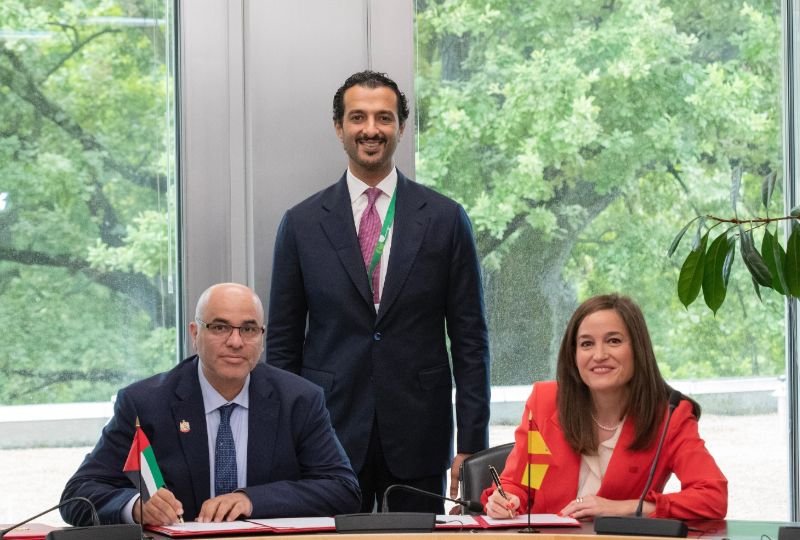
UAE Bolsters Intellectual Property Framework Through International Cooperation Geneva, Switzerland – The Ministry of Economy and Tourism has formalized two significant Memoranda of Understanding (MoUs) with the Spanish Patent and Trademark Office and the Moroccan Industrial and Commercial Property Office. These agreements are designed to enhance cooperation in the advancement of intellectual property (IP) within the UAE, aligning its practices with global benchmarks. The signing took place during the Sixty-Sixth Series of Meetings of the Assemblies of the Member States of the World Intellectual Property Organisation (WIPO) in Geneva, attended by the UAE delegation, including Abdullah bin Touq Al Marri, Minister of Economy and Tourism. Strategic Areas of Collaboration The newly established MoUs outline cooperation across several strategic domains. These include fostering digital transformation within the IP sector, developing specialized talent, and strengthening coordination in the areas of industrial property and patent registration. A key focus is also placed on leveraging advanced technologies, such as artificial intelligence, to refine and support processes for patent search and classification. Commitment to a Robust IP Ecosystem Minister Al Marri underscored the UAE’s ongoing commitment to cultivating a comprehensive IP ecosystem and fostering international partnerships. He highlighted that these collaborations with Spain and Morocco represent a crucial step towards facilitating the exchange of technical expertise, streamlining registration procedures, and adopting contemporary compliance standards, ultimately contributing to a more robust and globally integrated intellectual property landscape in the Emirates.
UAE University Team Secures US Patent for Sustainable 3D Construction Technology
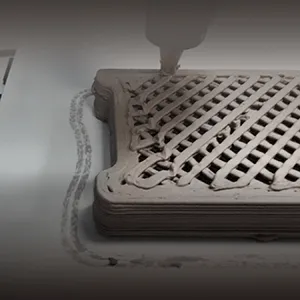
UAE University Team Secures US Patent for Innovative Sustainable 3D-Printed Construction Technology Abu Dhabi, UAE – A research contingent from the United Arab Emirates University (UAEU) has successfully obtained a US patent (Patent No. US 12,331,518 B1) for its groundbreaking work on a sustainable 3D-printed construction element, encompassing its associated system and manufacturing methodology. This intellectual property milestone underscores significant advancements in green building practices. The patented innovation, developed by a team from UAEU’s College of Engineering, introduces a comprehensive additive manufacturing system designed for layer-by-layer construction of building components. A key feature of this technology is its dual-layer composition: an external compound layer paired with an internal core filled with environmentally sustainable materials. This design aims to elevate construction quality and streamline building timelines through the application of advanced 3D printing techniques. The lead researcher from UAEU highlighted that the patent represents a culmination of extensive research efforts aimed at developing innovative technologies, particularly in 3D printing, that contribute to a sustainable future. The achievement reinforces UAEU’s role in generating impactful knowledge and fostering innovation to support the national economy, especially within the construction sector. This intellectual property acquisition is seen as a testament to the university’s dedication to pioneering cutting-edge engineering solutions and sustainable infrastructure development. It aligns with the UAE’s broader national strategic objectives for digital transformation and the integration of artificial intelligence within the construction industry.
UAE University Achieves IP Milestone with US Patent for Carbon-to-Energy Battery
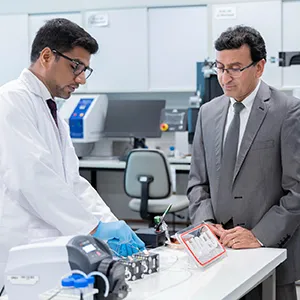
UAE University Secures US Patent for Groundbreaking CO2 Conversion Technology Abu Dhabi, UAE – The United Arab Emirates University (UAEU) has announced the successful grant of a US patent for its innovative “Metal-Carbon Dioxide (CO2) Battery Cell.” This significant intellectual property achievement marks a pivotal development in green battery technology and sustainable energy solutions within the Gulf Cooperation Council (GCC) region. The newly patented invention introduces a zero-gap flow-type metal-CO2 battery cell designed to efficiently convert carbon dioxide gas into electrical energy. Beyond power generation, the system also facilitates the creation of valuable chemical products, including formate and various hydrocarbons, addressing critical environmental challenges posed by carbon emissions. Advancing Clean Energy and Environmental Sustainability The advanced battery system distinguishes itself through superior energy conversion performance, reportedly surpassing the power density and current levels of conventional battery technologies. This innovation offers a practical solution to carbon pollution by integrating high efficiency with environmental sustainability, aligning with global efforts towards carbon neutrality. According to university officials, this patent not only signifies a breakthrough in battery technology but also positions UAEU at the forefront of global leadership in clean energy research. The technology enhances the potential transition towards a green, innovation-driven economy, providing a viable mechanism for reducing emissions and converting CO2 into sustainable clean energy. Reinforcing National Innovation and Intellectual Property The successful acquisition of this US patent underscores UAEU’s commitment to advancing research efforts and developing innovative technologies that support the nation’s vision for sustainability. Such developments in intellectual property are crucial for strengthening the UAE’s role as a leading academic and research institution, both regionally and globally, contributing significantly to its intellectual capital and innovation landscape.

GCC Intellectual Property: Kerala’s Patented Coir Air Freshener Poised for Regional Launch
GCC Market Set to Receive Patented Eco-Friendly Air Freshener Technology Dubai, UAE – A patented technology for developing an eco-friendly air freshener gel, “Cocoaura,” derived from coir pith, is slated for manufacturing and market introduction within the UAE. This development follows the recent acquisition of a patent for the innovative product by the National Coir Research & Management Institute (NCRMI). The patent was granted by the Government of India for the technology which transforms coir pith, a readily available and biodegradable by-product of the coconut industry, into a sustainable air freshener. This invention represents a notable advancement in leveraging natural resources for commercial applications, with significant implications for intellectual property and commercial law. Innovation and Sustainability at Core The “Cocoaura” gel distinguishes itself by utilising natural essential oils for fragrance, thereby eliminating reliance on synthetic chemicals commonly found in conventional air fresheners. A natural gelling agent is incorporated to ensure a controlled release of fragrance, offering sustained odour elimination and air freshening in enclosed environments. Researchers from NCRMI highlight the product’s minimal environmental impact, given its sustainable composition and the fact that the gel eventually dries out, leaving behind a disposable coir pith residue. This focus on sustainability aligns with growing regulatory and consumer demand for environmentally responsible products across the GCC region. Commercialisation and UAE Market Entry The commercialisation strategy for this patented technology is already underway. NCRMI has entered into technology transfer agreements with four companies, enabling them to manufacture and market the cocopith-based air freshener gel as new product offerings. A key part of this commercial rollout includes the UAE, where the product is anticipated to be introduced to the market. NCRMI will also provide necessary training to support the manufacturing and marketing efforts in the region, underlining the contractual and commercial frameworks enabling such international product launches. This move underscores the increasing global interest in bringing innovative, patented technologies into the GCC’s dynamic commercial landscape, particularly those with a strong focus on environmental sustainability.