
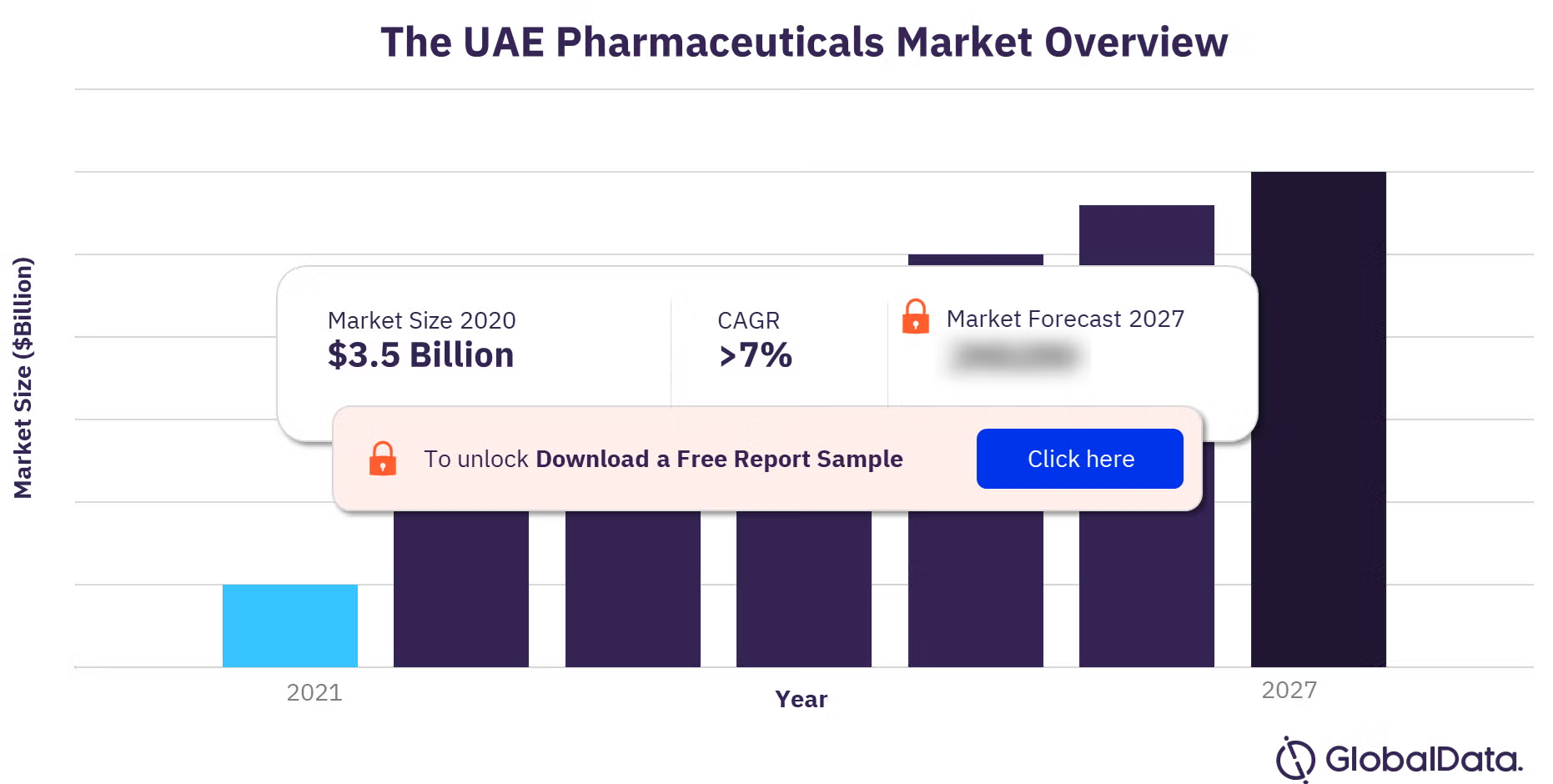
UAE Bolsters Regulatory Framework Across Healthcare, IP, and Digital Health Sectors The United Arab Emirates continues to enhance its comprehensive legal and regulatory landscape, particularly within its burgeoning healthcare and pharmaceutical sectors. Recent insights highlight the structured processes governing product registration, intellectual property, clinical trials, and digital health initiatives, underscoring the nation’s commitment to robust compliance and innovation. Pharmaceutical and Medical Device Regulation The UAE has established clear and detailed procedures for market entry and operation for pharmaceutical products and medical devices. This includes stringent requirements for pharmaceutical product registration and dedicated biosimilar licensing procedures, with frameworks updated as recently as 2022 and 2019 respectively. The registration of medical devices is also subject to specific document requirements and approval processes, updated for 2022. Furthermore, the framework addresses the registration of pharmaceutical establishments, a process outlined in 2019. Imports and exports of medicines are also tightly regulated, with distinct requirements and procedures for securing approvals for personal use and through local agents, as of 2022. Similarly, medical device imports adhere to specific documentation and approval protocols, updated in 2022. Pricing and reimbursement mechanisms are also clearly defined, with a medicine pricing process and a pharmaceutical reimbursement process outlined as of 2021. Intellectual Property Safeguards Protection of intellectual property remains a cornerstone of the UAE’s strategy to foster innovation. The country maintains well-defined application processes for both patents and trademarks, with the latest procedures documented for 2022. These frameworks are crucial for pharmaceutical companies and medical device manufacturers seeking to secure their innovations and brand identities within the GCC market. Digital Health and Information Exchange In a move towards modernizing healthcare delivery, the Department of Health (DOH) has articulated policies on digital health, with an overview provided in 2020. This includes priority areas for the Abu Dhabi Health Information Exchange, signaling a strategic focus on interconnected digital healthcare systems and data governance. Such initiatives underscore a commitment to leveraging technology while ensuring data security and regulatory compliance. Clinical Trial Oversight and Advertising Standards The UAE exercises rigorous oversight over clinical research, with distinct regulatory processes for the approval of both interventional and non-interventional clinical trials, as documented in 2021. This ensures ethical conduct and scientific validity in medical research. Beyond research, the regulatory environment also extends to commercial activities, with a specified advertisement service approval process in place since 2019 and detailed guidelines for packaging and labeling information as of 2021, ensuring consumer protection and fair marketing practices. The ongoing refinement and clear articulation of these legal and regulatory frameworks position the UAE as a stable and attractive environment for healthcare investment and innovation, supported by a predictable and compliant operational landscape.
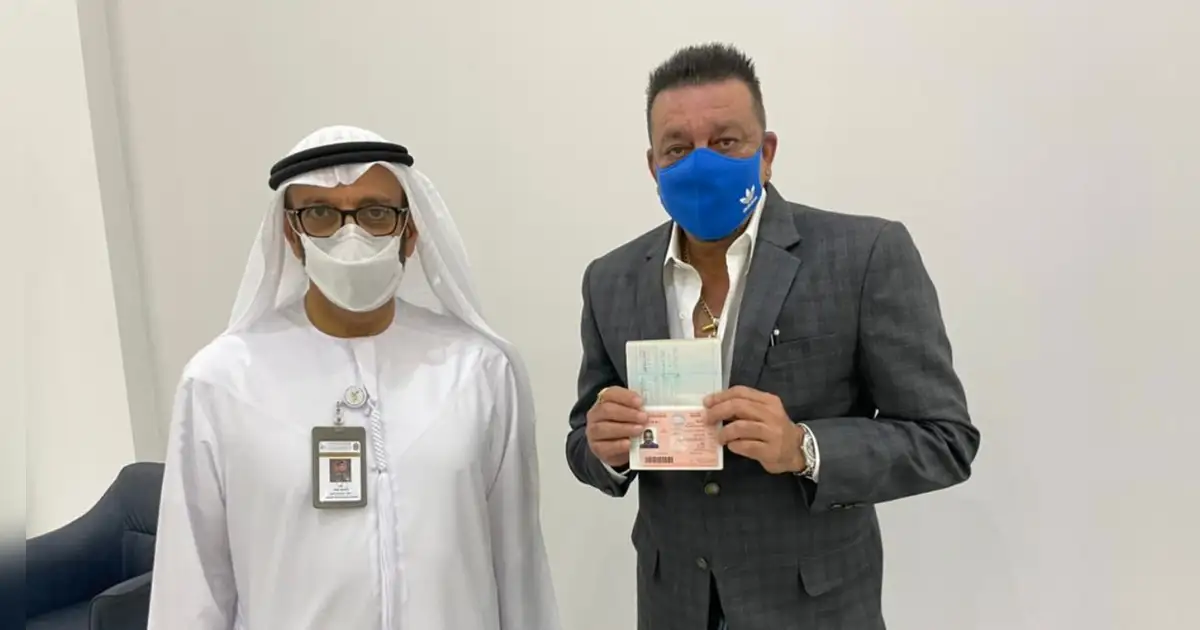
UAE Golden Visa: Bollywood Actor Sanjay Dutt Secures Residency Under Legal Regulations
UAE Golden Visa Framework Continues to Attract Global Talent and Investment Dubai, UAE – The United Arab Emirates’ government has reaffirmed its commitment to a long-term residency program, the Golden Visa, initially implemented in 2019. This strategic initiative aims to attract and retain highly skilled professionals, investors, and entrepreneurs, fostering economic growth and innovation within the Emirates. The program allows eligible foreign nationals to live, work, and study in the UAE without the need for a national sponsor, with visas issued for durations of five or ten years, subject to automatic renewal. Comprehensive Categories for Long-Term Residency The Golden Visa framework is structured to encompass a broad spectrum of individuals deemed vital for the UAE’s development agenda. The ten-year visa category targets several key groups: PhD Degree Holders: Academics holding PhDs from the world’s top 500 universities are eligible. Medical Professionals: All doctors, with a particular focus on specialists in viral epidemiology, are encouraged to apply, addressing the nation’s healthcare needs. Engineers: Specialists across various engineering disciplines, including computers, electronics, programming, electricals, active technology, AI, and Big Data, qualify. Highly Qualified Individuals: Those demonstrating exceptional academic merit with a GPA of 3.8 or higher from approved universities are also eligible. Researchers and Scientists: Individuals accredited by the Emirates Scientists Council or recipients of the Mohammed Bin Rashid Medal for Scientific Excellence can apply. Inventors: Innovators holding patents of significant value to the UAE economy, approved by the Ministry of Economy, are a specific target. This category directly underscores the nation’s focus on intellectual property and innovation. Artists and Cultural Professionals: Creative individuals in culture and art, accredited by the Ministry of Culture and Knowledge Development, are also included. Investors: Foreign investors contributing a minimum of AED 10 million in public investment are eligible. This investment can be channeled through an investment fund deposit, establishment of a company, or investment in real estate or other strategic sectors, highlighting the program’s relevance to commercial and corporate law. Provisions for Entrepreneurs and Exceptional Students Beyond the ten-year categories, a five-year Golden Visa is available for specific segments: Entrepreneurs: This category is designed for individuals with an existing project boasting a minimum capital of AED 500,000, or those who have secured approval from an accredited business incubator in the country. This provision supports the UAE’s burgeoning start-up ecosystem and directly impacts business law considerations for foreign entrepreneurs. The visa extends to the entrepreneur’s spouse and children, along with a partner and up to three executives, facilitating broader business operations. Outstanding Students: High-achieving secondary school students with a minimum grade of 95 percent and university students with a distinction GPA of at least 3.75 upon graduation are eligible, with the visa also covering their families. The Golden Visa initiative represents a significant regulatory advancement, streamlining the process for long-term residency and removing traditional sponsorship barriers. This framework is a cornerstone of the UAE’s strategy to bolster its economy, enhance its talent pool, and solidify its position as a global hub for business, innovation, and specialized professions.

Abu Dhabi DED Expands Patent Support to Bolster UAE Innovation
Abu Dhabi Expands Patent Support to Boost Innovation and Knowledge Economy Abu Dhabi, UAE – The Competitiveness Office of Abu Dhabi (COAD), operating under the Abu Dhabi Department of Economic Development (ADDED), has significantly enhanced its Patent Support Service, signaling a reinforced commitment to nurturing innovation and strengthening the emirate’s knowledge-based economy. These strategic revisions aim to bolster the innovation framework, a key component of the ‘Abu Dhabi Innovates’ initiative launched in 2022. The updated Patent Support Service now extends eligibility to a wider array of entities, including micro, small, and medium-sized enterprises (MSMEs), alongside academic institutions and companies licensed within Abu Dhabi. This expansion is designed to incentivise a broader spectrum of innovators, aligning with the emirate’s diversification strategy and its goal to generate employment opportunities in knowledge and innovation sectors. A notable feature of the enhanced service is the increase in financial assistance, with support for all eligible categories rising by 27 to 30 percent. This aims to provide inventors with greater resources during critical phases of the invention journey. Furthermore, the geographical scope of the Patent Support Service has been broadened to cover applications submitted by concerned entities across the wider UAE and those filed with the World Intellectual Property Organization (WIPO), streamlining international protection efforts. These regulatory enhancements arrive amidst a period of considerable growth in patent activity. In 2022, patent filing support applications surged by 86 percent to 91, up from 49 in 2021. The number of supported patent applications also saw a substantial increase, reaching 30 compared to just 3 in the preceding year, underscoring the growing demand for such services. The Takamul programme continues to play a vital role in supporting inventors and promoting a culture of innovation across the UAE, including providing international patent support. Officials from the Competitiveness Office of Abu Dhabi have reiterated their dedication to fostering an enabling environment for entrepreneurs and innovators. The enhancements reflect ongoing dialogue with inventors and market analyses, ensuring that policies are responsive to the needs of the innovation ecosystem. Initiatives such as the Young Inventors programme, developed in collaboration with the Abu Dhabi Youth Council, further support emerging talent by disseminating knowledge about intellectual property services and encouraging patent generation. Beyond the Patent Support Service, COAD has introduced other significant frameworks to cultivate a robust innovation landscape. These include the Abu Dhabi Innovation Incubators programme, which establishes policies and regulations for incubators focused on high-tech solutions and research and development. Additionally, in partnership with the Abu Dhabi Quality and Conformity Council (QCC), COAD launched the Abu Dhabi Technology Readiness Guide (TRL), providing a unified metric for assessing technology maturity based on international best practices. These integrated efforts collectively aim to transform scientific inventions into viable commercial opportunities, reinforcing Abu Dhabi’s position as a hub for innovation.

6 Key Legal Insights for Intellectual Property Protection in the GCC
GCC Intensifies Focus on Intellectual Property Amid Digital Transformation The Gulf Cooperation Council (GCC) region is witnessing a rapid evolution in its intellectual property (IP) landscape, driven by ambitious economic diversification plans and substantial investments in digital technologies. As GCC economies pivot towards innovation-led growth, the strategic protection of IP rights is becoming increasingly vital for businesses operating across the United States, Saudi Arabia, Qatar, Bahrain, Kuwait, and Oman. Digital technology investments in the region are projected to surpass $70 billion over the next three years, with the UAE alone anticipating expenditures of $20 billion. This surge in technological adoption, encompassing artificial intelligence, robotics, and cloud computing, underscores the critical need for a robust IP framework. Evolving Legal Frameworks and Enforcement Challenges Recent years have seen a significant acceleration in the development and updating of IP legislation across GCC nations. New and amended laws often integrate concepts prevalent in US and European IP systems, such as fair use for copyrights, ‘work for hire’ principles, and the protection of well-known trademarks. However, the practical enforcement of these provisions remains inconsistent and sporadic. A key challenge is the absence of specialized IP courts, with related cases typically adjudicated by civil or commercial courts, leading to varying interpretations. Furthermore, businesses must navigate a dual legislative structure in some GCC countries, where special regimes apply to entities registered within numerous free trade or export zones. The scope, interpretation, and enforcement of IP rules can differ significantly between federal-level legislation and free zone regulations. International Treaty Engagement and Regional Disparities GCC countries have actively engaged with the international community to bolster IP protection and foster innovation. They are signatories to significant global treaties, including the Berne Convention for the Protection of Literary and Artistic Works, the WIPO Patent Cooperation Treaty, and the Agreement on Trade-Related Aspects of Intellectual Property Rights (TRIPS). Despite this engagement, certain countries within the GCC, such as Saudi Arabia, Qatar, and Kuwait, are not parties to the Madrid Protocol, which streamlines international trademark registration. This means applicants must rely on national systems for trademark registration in these jurisdictions, though national applications can establish priority for filings in other countries. Efforts to codify and modernize IP laws through regional treaties are ongoing, but their full implementation across all GCC states is still developing. Cultural and Religious Considerations in IP Strategy Companies developing IP strategies for the GCC market must deeply consider local religious and cultural values. Products, marketing initiatives, and inventions are subject to thorough review to ensure compliance with public order and morals. For instance, trademark protection is typically unavailable for products related to pork or alcohol in the UAE and most other GCC nations. Moreover, due to stringent laws against defamation, slander, and insult, businesses must avoid any ambiguous, insensitive, or religiously offensive designations. Severe Penalties for IP Infringement GCC legislation generally prescribes severe penalties for IP violations. These can include substantial fines, confiscation of infringing goods, and even imprisonment. Effective IP enforcement strategies often involve close collaboration with local authorities. In Dubai, for example, the Dubai Police, Dubai Customs, and the Dubai Department of Economic Development possess powers to investigate and seize counterfeit products. Patent Novelty and Localization of Agreements Patent protection in the GCC typically adheres to an absolute novelty principle, requiring that an invention has not been publicly disclosed by any means prior to the filing date. Notably, the UAE recently amended its national patent law to introduce a 12-month grace period, allowing for prior disclosures by an inventor or third parties deriving information from an inventor, before the filing date. Finally, while IP-related agreements governed by EU or US law (such as license, franchise, or joint development agreements) are generally enforceable in the GCC, it is strongly recommended that these documents undergo review and amendment to ensure full compliance with local laws and regulations.

VisionWave Holdings Files StratumAI International Trademark via Madrid Protocol, Bolstering IP Protection in GCC
UAE Included in International AI Trademark Application via Madrid Protocol Dubai, UAE – An international application for trademark registration has been filed under the Madrid Protocol, seeking to extend intellectual property protection for the “VISIONWAVE STRATUM” artificial intelligence platform into several key markets, including the United Arab Emirates. The application (No. 99623991) represents a move to secure intellectual property rights for advanced AI technologies in a globally interconnected legal framework. The international filing, dated August 3, 2026, specifically designates the European Union, the United Kingdom, Israel, and the UAE, signaling a long-term strategy to commercialize sophisticated AI solutions globally. The inclusion of the UAE underscores its growing importance as a strategic hub for technological innovation and intellectual property enforcement. The scope of the trademark application is broad, encompassing various software and Software-as-a-Service (SaaS) technologies. These include artificial intelligence systems, applications for defense, robotics, autonomous air, land, and sea systems, guidance systems, and customizable operating platforms for unmanned vehicles. The “VISIONWAVE STRATUM” platform is described as an agentic AI assistant under development, specifically designed for specialized sectors, combining advanced reasoning with curated technical knowledge bases. Securing global trademark protection for AI-driven platforms is a critical step for entities operating in competitive technological landscapes. A representative from the company emphasized the importance of international intellectual property protection as they continue to expand AI capabilities, noting that global trademark security supports the long-term commercialization goals for specialized AI solutions. The Madrid Protocol provides a streamlined system for companies to seek trademark protection in multiple jurisdictions through a single application. While the application is subject to examination and potential opposition in each designated jurisdiction, and its international registration remains dependent on the underlying U.S. application for a period, it serves as an initial measure to safeguard proprietary technologies. This development highlights the proactive steps companies are taking to protect their intellectual assets in the rapidly evolving domain of artificial intelligence and signals the UAE’s continued emergence as a significant jurisdiction for intellectual property rights.
UAE Transfer Pricing: Navigating Regulatory Compliance for Businesses
UAE Transfer Pricing Landscape: Navigating Compliance for Multinational Enterprises Dubai, UAE – Multinational Enterprises (MNEs) operating in the UAE are confronting significant operational and legal challenges in adhering to the nation’s evolving transfer pricing (TP) regulations. Recent insights highlight that issues such as fragmented data, insufficient documentation, and the intricacies of intra-group service and intellectual property allocations are emerging as key areas of scrutiny during tax audits. Operational Hurdles in Compliance For large MNEs, a primary obstacle in fulfilling TP obligations is data fragmentation. Groups often maintain operations across multiple distinct Free Zones and international branches, each potentially utilizing disparate accounting systems. This distributed infrastructure makes the consolidation of accurate, real-time financial data a complex operational task, essential for meeting stringent statutory deadlines. Current tax audits indicate that inadequate or absent documentation, rather than aggressive pricing strategies, presents the most immediate risk of substantial non-compliance penalties for corporate groups within the UAE. Proactive enterprise resource planning is increasingly critical to overcome these data management challenges. Scrutiny on Intra-Group Services Many UAE headquarters function as regional service hubs, providing management, administrative, or technical services to subsidiaries across the Middle East, Africa, and South Asia, and subsequently charging associated fees. To robustly defend these intercompany allocations, UAE-based headquarters must unequivocally demonstrate both “Substance and Functionality.” This entails proving that the services were genuinely rendered, provided a tangible economic benefit to the recipient entity, and were priced at an arm’s length markup, consistent with market principles. Should the profits allocated to the UAE entity be deemed inconsistent with the actual head-office headcount or operational substance, both the Federal Tax Authority (FTA) and foreign tax authorities may aggressively challenge the deductions, leading to potential adjustments and penalties. Intellectual Property and Profit Allocation The allocation of profits when a UAE headquarters holds, manages, or licenses commercial intellectual property (IP) – such as trademarks or patents – is also under close examination. Tax authorities are moving beyond mere legal ownership, instead employing the DEMPE (Development, Enhancement, Maintenance, Protection, and Exploitation) framework to determine which entity functionally performs the value-creating activities. If the core research and development (R&D) or strategic brand enhancement activities are primarily executed by teams located outside the UAE, the legal IP returns attributed to the UAE headquarters must be economically limited to reflect its actual functional contribution. Conversely, if the UAE-based team is the driving force behind value creation, a proportionally higher share of global residual profits must legitimately remain within the UAE entity, reflecting its substantive role in the DEMPE functions. This shift underscores the need for MNEs to align their IP ownership and licensing structures with the actual economic substance of their operations.

Abu Dhabi’s $700bn Wealth Fund: New Leadership Appointment and Corporate Governance Focus
Senior Appointment Announced at Abu Dhabi Investment Authority, Signifying Evolving Corporate Landscape Abu Dhabi, UAE – A significant leadership change has been announced within the UAE’s financial sector, with a prominent national security advisor set to assume the chairmanship of the Abu Dhabi Investment Authority (ADIA). This move is anticipated to further intertwine the state’s economic and strategic objectives. New Leadership at Key Sovereign Wealth Fund The appointment sees a leading figure in the UAE’s foreign policy and security circles take the helm of ADIA, a sovereign wealth fund with an estimated value of $790 billion. This adds to the individual’s substantial economic influence, as he already chairs the International Holding Company (IHC), a diversified conglomerate. Under his existing leadership, IHC has reached a market capitalization of $236 billion, positioning it among the world’s largest enterprises. Implications for Corporate Governance and Commercial Operations Observers note that such high-level appointments underscore an ongoing trend within the UAE towards a closer integration of public and private sector economic activities. The rapid expansion and valuation of entities like IHC, particularly under state-linked leadership, highlight an evolving corporate governance model where the lines between state-owned enterprises and privately-listed companies are becoming less distinct. This development is occurring amidst a period of considerable economic growth in the UAE. Strategic Economic Direction and Diversification Efforts The expanded portfolio reflects the nation’s strategic emphasis on leveraging its substantial financial resources. The appointee has been instrumental in the UAE’s efforts to deploy its wealth, including recent commercial agreements such as IHC’s deal in August with a Turkish renewable energy firm. These actions align with broader governmental initiatives across Gulf states aimed at diversifying economies beyond traditional oil and gas revenues and attracting international businesses. The UAE is actively positioning itself as a competitive hub for foreign companies and international talent within the region.
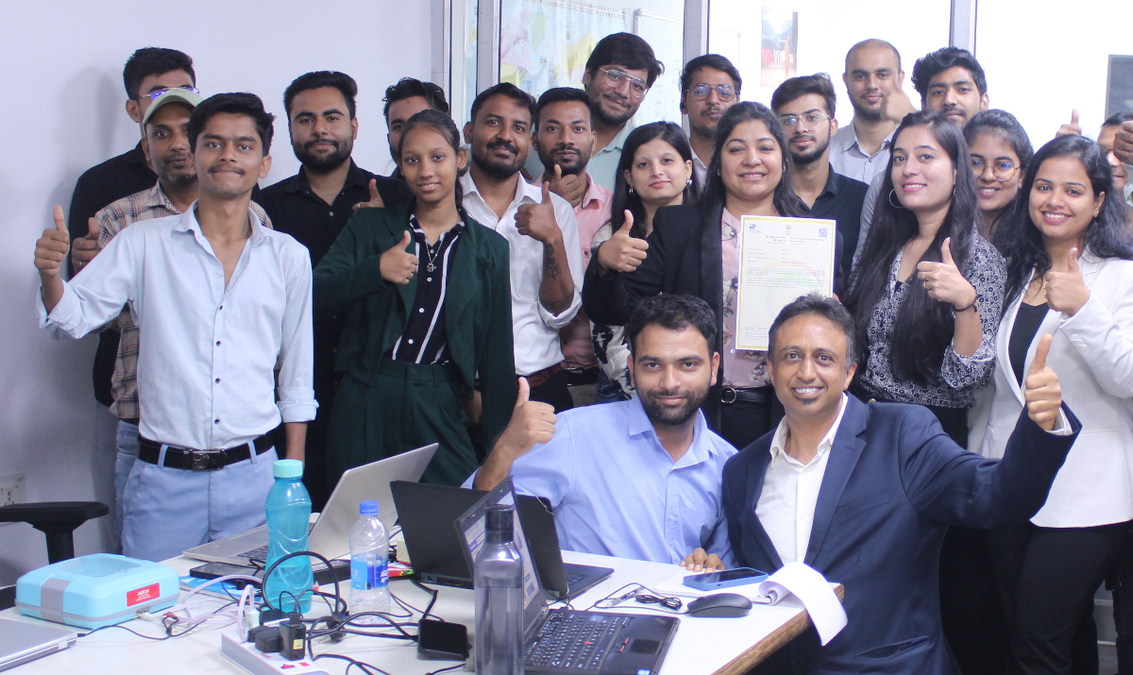
BEYOBO Secures Patent for Enhanced GCC Cross-Border Commerce Efficiency
Cross-Border E-commerce Innovator Secures Patent, Eyes UAE Market Expansion A company specializing in B2B cross-border commerce has been granted a patent for its advanced product identification automation technology. This development marks a significant stride in streamlining international trade and supply chain management, particularly as the firm prepares for strategic expansion into the United Arab Emirates market. The newly awarded patent protects a unique algorithm designed to automate product categorisation, cataloguing, and customs compliance processes. This innovative system enables precise product tracking through Harmonized System Nomenclature (HSN) codes, significantly enhancing accuracy and efficiency in global logistics. The patented technology leverages advanced intelligence and automation, setting a new benchmark for managing products within the international supply chain by implementing hierarchical, ontological, and self-referential codes. This technological advancement is poised to reshape how products are identified and managed in cross-border transactions. For regions like the UAE, which serves as a pivotal hub for international trade and e-commerce, such innovations are crucial for maintaining efficient customs procedures and ensuring regulatory adherence for goods flowing through its borders. The company has indicated its intent to introduce this unique value proposition to the UAE market, building on its proven success in other regions. This expansion aligns with the increasing demand for robust technological solutions that facilitate seamless cross-border commerce and simplify compliance for global brands entering new markets. The patented technology is expected to support these efforts by providing a comprehensive service suite underpinned by strong technological capabilities.

UAE Records Significant Growth in Intellectual Property Registrations
UAE Witnesses Substantial Surge in Intellectual Property Registrations Dubai, UAE – The United Arab Emirates has recorded a significant increase in intellectual property (IP) registrations during the first nine months of 2024, according to an official announcement by the Ministry of Economy. This growth underscores the nation’s ongoing commitment to fostering an environment that supports innovation and creative development across various economic and scientific sectors. The latest figures highlight a marked expansion in the registration of trademarks, patents, and utility certificates, reflecting robust progress in supporting research and development initiatives and promoting entrepreneurship within the Emirates. Key Statistical Overview For the period covering the first nine months of 2024, IP registrations across the UAE experienced a notable rise of 34.3 percent compared to the same period in 2023. Trademark registrations saw an increase of 39.12 percent, while patents, utility certificates, and industrial designs collectively grew by 8 percent. A total of 1,884 IP works were registered, a significant leap from 1,402 in the preceding year, bringing the cumulative number of active IP works to 20,389. Demand for IP protection also surged, with the Ministry receiving 1,946 new applications, marking a 53.23 percent increase over the 1,270 applications filed in the prior year. Furthermore, authorities processed 153 reports concerning IP violations, alongside 209 applications for the registration of importers and distributors of IP rights, indicating a 26.67 percent growth in this area. Trademark and Patent Performance As of September 2024, the UAE attracted 18,175 new trademarks, representing a 39 percent rise year-on-year. The Ministry processed 24,258 trademark registration applications and addressed 8,171 trademark inquiries. These efforts have resulted in a total of 356,408 active trademarks operating within UAE markets. In the realm of invention protection, registered patents, utility certificates, and industrial designs reached a total of 15,051 by the end of September 2024, an 8 percent increase. Registration applications for these categories also grew by 3.8 percent, with 3,489 submissions compared to the corresponding period in 2023. Strategic Vision for IP Advancement The Undersecretary of the Ministry of Economy, Abdullah Ahmed Al Saleh, emphasized that these encouraging results are a testament to the UAE’s dedication to cultivating a sophisticated IP ecosystem aligned with international best practices. This strategic focus aims to strengthen the foundational role of knowledge and creative output in driving economic prosperity. The Ministry has been actively engaged in modernizing its legislative framework and implementing comprehensive initiatives designed to benefit both industrial and creative sectors. Al Saleh further reiterated the Ministry’s steadfast commitment, in collaboration with both public and private sector stakeholders, to allocating the necessary resources to bolster the IP sector’s growth and enhance its global competitiveness. This strategic direction aligns directly with the objectives of the ‘We the UAE 2031’ vision, which seeks to position the nation as a premier global destination for top talent.

UAE Patent & Design Law Updates: January 2024 Review
UAE Cabinet Unveils Major Revisions to Intellectual Property Fees and Services Abu Dhabi, UAE – The United Arab Emirates Cabinet of Ministers has issued Cabinet Resolution No. (112) of 2023, introducing a comprehensive overhaul of fees and services managed by the Ministry of Economy concerning patents, industrial designs, and utility models. These significant changes are slated to become effective on January 15, 2024, impacting various stages of intellectual property registration and maintenance within the country. The resolution aims to streamline processes, enhance efficiency, and introduce more nuanced fee structures, reflecting a continued commitment to strengthening the UAE’s intellectual property framework. The revisions will affect a broad spectrum of services, including annuities, publication fees, assignments, amendments, and restoration procedures. Key Adjustments to Fee Structure and Services Several pivotal changes have been introduced, designed to categorize fees more precisely and offer greater flexibility to applicants: Substantive Examination Fees by Claim Category: A notable restructuring of substantive examination fees will link charges to the number of claims within an application. The new system establishes three distinct tiers: 1-10 claims, 11-30 claims, and 31-50 claims, with a maximum limit of 50 claims per application. This approach is intended to rationalize examination costs based on complexity. Differentiated Fees Based on Applicant Status: The new resolution introduces a tiered fee structure that considers the applicant’s status. Fees will now be categorized for natural persons, companies, academic institutions, and small and medium enterprises (SMEs), potentially providing support for individual innovators and smaller entities. Introduction of Annual Maintenance Fees: A significant addition is the implementation of annual maintenance fees, which will escalate every five years throughout the standard 20-year duration of a granted patent. This ensures ongoing contributions for the continued protection of intellectual property rights. Expansion of New Service Offerings: The resolution incorporates fee adjustments for several newly introduced services designed to enhance the patent prosecution process. These include express examination, amendments for minor errors (thereby negating the need for an entirely new examination report), post-grant amendments, and re-examination after a patent has been granted. These additions aim to provide greater flexibility and responsiveness within the system. Revised Framework for Lapsed Applications: Applicants whose patent applications have lapsed will now have a nine-month window from the lapsing date to restore or revive their applications, subject to the payment of specified fees. This provision offers a clearer pathway for reinstating protection. Implementation of Monthly Penalties for Delayed Payments: To encourage timely compliance, the resolution introduces monthly penalties for delays in fee payments across all industrial property services. These penalties are capped at the equivalent of ten months, establishing a structured mechanism for addressing late submissions. These comprehensive updates underscore the UAE’s ongoing efforts to modernize its intellectual property landscape, aligning with international best practices and fostering an environment conducive to innovation and economic growth.