

UAE Reforms Trademark System with New Fee Structure and Efficiency Measures Dubai, UAE – The United Arab Emirates has announced comprehensive revisions to its trademark fee structure and operational procedures, signaling a strategic move to bolster intellectual property protection and enhance the nation’s appeal for businesses and innovators. The amendments aim to streamline processes, reduce costs for specific segments, and align the UAE’s intellectual property framework with global best practices. The Ministry of Economy and Tourism confirmed that the new policies are designed to improve the flexibility and efficiency of trademark services, thereby fostering a more competitive business environment both locally and internationally. A key focus of these reforms is to support small and medium-sized enterprises (SMEs) and individuals with disabilities. Fee Reductions and Exemptions for Key Stakeholders Under the new regulations, members of the National SME Programme will benefit from a significant 50 percent reduction on all trademark service fees. In a move to promote inclusivity and support, individuals with disabilities will receive a full exemption from all trademark service charges. These measures are intended to stimulate business growth and innovation within these vital sectors of the economy. Enhanced Efficiency in Trademark Registration A notable operational enhancement is the introduction of a pathway allowing for the examination of trademark registration applications at the initial submission stage, potentially enabling trademarks to be examined within a single day. This expedited review process is expected to significantly reduce processing times and improve the overall efficiency of trademark registration in the country. A spokesperson from the Ministry of Economy and Tourism highlighted that these changes are a crucial step towards improving the quality of trademark registration services and facilitating faster procedures for businesses to register and manage their intellectual property rights. Introduction of New Trademark Services and Fees The revised framework encompasses 28 trademark services, including adjustments to existing fees and the introduction of seven new services. Among the newly introduced services and their corresponding fees are: Registration of a geographical indication: AED 6,500 One-day trademark examination: AED 2,250 Grievance against trademark cancellation: AED 5,000 Conversion of national trademark to international: AED 400 Trademark agent registration renewal (foreign branch): AED 7,500 Grievance against registration refusal: AED 5,000 Examination and study of claims: AED 2,250 These additions broaden the scope of available services and reflect the UAE’s commitment to a robust intellectual property ecosystem. Significant Growth in Trademark Registrations The impact of these initiatives is already evident in the surge in trademark registrations. The Ministry reported a 129 percent increase in trademark registrations during the first half of 2025, with 19,957 national and international trademarks recorded, compared to 8,711 during the same period in the previous year. By the end of September, the total number of registered trademarks in the UAE had reached 402,311. These reforms are part of a broader national strategy to strengthen the UAE’s intellectual property sector in alignment with international standards. Officials underlined that the establishment of the Geographical Indications system for national products is a pioneering federal initiative aimed at protecting local products distinguished by unique features linked to specific geographical regions within the UAE. The comprehensive enhancements to the trademark system complement the UAE’s wider economic agenda, including campaigns such as “The Emirates: The Start-up Capital of the World,” which seeks to attract entrepreneurs and increase the number of companies operating in the country to two million by 2031, with a strong emphasis on SMEs.
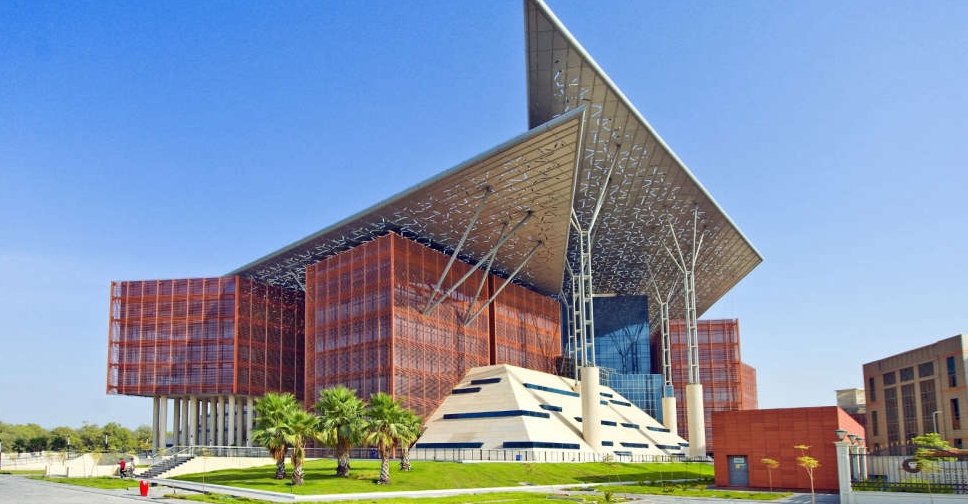
Abu Dhabi Court Halts Trademark Infringement in Landmark UAE Ruling
Abu Dhabi Court Upholds Global Trademark Rights in Landmark Infringement Ruling Abu Dhabi, UAE – The Abu Dhabi Commercial Court has issued a significant final ruling, mandating the immediate cessation of unauthorized use of a globally recognized fashion and e-commerce trademark by a local retail outlet. The decision, which has been upheld through all judicial levels including the Court of Cassation, reinforces the robust enforcement of intellectual property rights within the Emirates. The case originated when the owner of the international trademark initiated legal proceedings against a local store. The store had been unlawfully utilizing the brand’s name and logo across its product lines, physical storefront, and digital platforms. This misleading practice created a false impression of affiliation with the original company, which operates exclusively through online channels. Following a series of hearings across various judicial instances, the court unequivocally ruled in favor of the trademark owner. The judgment stipulates a comprehensive halt to all infringing activities, requiring the removal of the illicit trade name from official records and all commercial registries throughout the UAE. Furthermore, the court has prohibited its use on social media, in physical stores, and has ordered the dismantling of all associated signage and promotional materials. The finality of this ruling, affirmed upon appeal and by the Court of Cassation, renders it immediately enforceable across the entire United Arab Emirates. Legal experts have highlighted the profound implications of this decision, noting its potential to bolster investor confidence and underscore the nation’s unwavering commitment to combating intellectual property violations. The judgment sends a strong signal regarding the UAE’s zero-tolerance policy towards trademark infringement, protecting legitimate businesses and consumers alike.
UAE Legal: Kamah Hotels, Wyndham Sign $70M Resort Development Deal
Wyndham’s Trademark Collection Set for UAE Debut Through New Commercial Partnership Dubai, UAE – A significant commercial agreement valued at $70 million is set to introduce the Trademark Collection by Wyndham to the UAE market, marking a notable development in the region’s hospitality sector and commercial law landscape. The partnership, formed between Kamah Hotels & Resorts and Wyndham Hotels & Resorts, outlines the development of four new properties, including one strategically located in Dubai, UAE. The deal underscores the growing interest in the GCC’s hospitality market and highlights the legal frameworks facilitating international brand entry and commercial ventures. The expansion into the UAE represents the first foray for the Trademark Collection by Wyndham into this key regional market. Under the terms of the agreement, Kamah Hotels plans to expand its global portfolio, with the initial phase focusing on the Dubai project situated at Al Jaddaf Waterfront. The development of the Dubai property will be managed by Global Branded Residences. This collaboration builds upon prior successful ventures between the parties, signaling a reinforced commercial alliance. Executives from both entities expressed enthusiasm for the expanded partnership, emphasizing its potential to deliver luxury and wellness experiences within the branded residences model. This model allows for the sale of units within internationally branded resorts, creating distinct opportunities for investors under specific commercial and property law regulations. The introduction of a new trademarked hotel collection into the UAE necessitates adherence to local commercial regulations, licensing requirements, and intellectual property protections for brand use. The “Owners First” policy mentioned in relation to Wyndham’s approach suggests a structured framework for property management and investor relations that would comply with applicable corporate governance standards. The UAE, particularly Dubai, continues to be a magnet for tourism and trade, with its hospitality sector being a major contributor to the national economy. Such high-value commercial agreements and brand introductions are testament to the region’s robust legal environment that supports international investment and market diversification.

“Dubai Chocolate” Brand Name: UAE Legal Scrutiny on Trademark Ownership
Intellectual Property Scrutiny Arises Over ‘Dubai Chocolate’ Brand Identity DUBAI, UAE – The meteoric rise of “Dubai chocolate,” a confectionary trend originating in the United Arab Emirates, has sparked significant discussion within intellectual property circles, particularly concerning trademark protection and geographical indications. Despite its global popularity, the legal status of the term “Dubai chocolate” as a protected brand name remains uncertain, posing challenges for both its originator and other manufacturers. Geographical Indications and International Treaties The concept of protecting product names based on their geographical origin is well-established in international law. Treaties such as the Geneva Act of the Lisbon Agreement allow countries to protect names linked to a specific region where a product’s quality or reputation is essentially attributable to that geographical origin. However, the UAE is not a signatory to this specific agreement. This means that, under this framework, the term “Dubai chocolate” cannot directly avail itself of protection as a geographical indication in member states. Legal experts note that while direct protection via this treaty is not feasible for the UAE, alternative avenues exist. The UAE could potentially register “Dubai chocolate” as a geographical indication within its own jurisdiction. Following this, it could apply for protection in the European Union through bilateral agreements or other international IP cooperation mechanisms, provided certain criteria are met regarding the product’s true origin and characteristics. Challenges for Trademark Registration in Europe The widespread adoption of “Dubai chocolate” by numerous vendors, including confectioners and large chocolate manufacturers across Europe, has led to a flurry of trademark applications. As of December 4, 2024, European intellectual property databases show over 30 active trademark applications across the continent that incorporate “Dubai” in the name for sweets, with 19 such applications in one European nation alone. However, intellectual property specialists express skepticism regarding the success of these applications. A core principle of trademark law dictates that a term must possess distinctiveness to be registered. Experts argue that “Dubai chocolate” may lack the necessary uniqueness, having evolved into a generic descriptor for chocolate filled with pistachio cream and crunchy kadayif pastry. This parallels cases where terms like “chocolate Santa Claus” are deemed generic and therefore not eligible for trademark protection. Attempts by manufacturers to add their own names to “Dubai chocolate” are also considered unlikely to confer sufficient distinctiveness for successful registration. Misleading Representation Concerns Further compounding the trademark debate are concerns regarding misleading representation. Trademark laws often prohibit the registration of terms that imply a false geographical connection. Using the name “Dubai chocolate” could be deemed misleading if the product’s primary ingredients, such as the chocolate or pistachios, do not originate from Dubai or the UAE, thereby misrepresenting its true geographical source. This highlights the delicate balance between brand association and factual accuracy in product labeling. The Creator’s Stance The original concept for “Dubai chocolate” is widely attributed to a Dubai-based entrepreneur and social media personality, who reportedly created the unique confection due to personal cravings. While the entrepreneur and their company could theoretically pursue trademark registration for the term in key markets like Germany or the wider European Union, there has been no public indication or response regarding such intentions amidst the ongoing global craze. As the demand for “Dubai chocolate” continues to soar, the unfolding legal and regulatory landscape surrounding its name underscores the complexities of intellectual property in an era of rapid global trends and digital virality. The ultimate determination of who, if anyone, can legally claim the “Dubai chocolate” brand remains a significant point of interest for legal and commercial stakeholders alike.
United Arab Emirates: 2026 Trademark Laws & Regulations Report
UAE Bolsters Trademark Framework with Enhanced Processes and Strategic Enforcement Dubai, UAE – The United Arab Emirates continues to reinforce its position as a leading hub for intellectual property protection within the GCC, with recent and anticipated developments focusing on streamlining trademark registration, optimizing cost efficiency, and strengthening enforcement mechanisms. These updates, driven by the Ministry of Economy (MoE) and supported by judicial pronouncements, reflect a clear policy direction aimed at fostering a robust environment for brand owners. Key Legislative and Regulatory Framework Trademark protection in the UAE is primarily governed by Federal Decree-Law No. 36 of 2021 on Trademarks, complemented by UAE Cabinet Resolution No. 57 of 2022, which delineates procedural aspects. The Ministry of Economy’s Trademark Office is the central authority responsible for registration, examination, managing amendments, assignments, renewals, and enforcing intellectual property laws. The UAE’s adherence to international agreements such as the Paris Convention and the TRIPS Agreement further solidifies its commitment to global IP standards. Procedural Enhancements and Cost Optimization In a significant move to enhance accessibility and efficiency, the UAE has implemented practical updates to its trademark system. These include a revised official fee structure that offers reduced costs for small and medium-sized enterprises (SMEs) and exemptions for People of Determination. The introduction of expedited examination options, such as the Express (One-Day) Trademark Examination service available from November 2025, aims to significantly shorten registration timelines, potentially allowing for registration within five to six weeks, a substantial reduction from the traditional three to six months. Furthermore, clearer and more structured fees for opposition, appeal, and post-registration actions have been established. The MoE has also continued its push towards digitizing and modernizing trademark services, aligning with broader initiatives to position trademarks as tangible business assets capable of being licensed and transferred more seamlessly. Judicial Interpretations and Enforcement Trends Recent court decisions have provided vital clarity and reinforced enforcement practices: Likelihood of Confusion: Appellate courts have reaffirmed that assessing trademark confusion relies heavily on the overall commercial impression, with visual similarities holding particular weight in consumer-facing markets. Minor linguistic differences are often deemed insufficient to avert infringement claims. Bad Faith Filings: There is a growing intolerance for applications filed in bad faith. Courts are increasingly supporting refusals and cancellations where subsequent applicants were aware of an earlier brand’s presence or plans, even if its use in the UAE was relatively nascent. Streamlined Enforcement: Judgments confirm that valid trademark registrations facilitate swift administrative and criminal actions without requiring proof of actual consumer confusion. This underscores the UAE’s reputation as a registration-centric and enforcement-friendly jurisdiction. General enforcement trends indicate a more strategic and evidence-driven approach, with authorities expecting brand owners to demonstrate clear ownership and active use of their marks. A noticeable rise in actions against “lookalike” branding and “dupe” products signals a stricter stance on association and dilution, moving beyond direct counterfeiting. Brand owners are also becoming more proactive, filing applications earlier, covering broader specifications, and leveraging a combination of administrative, civil, and customs measures to protect their market share. Outlook for the Coming Year The coming year is expected to bring continued refinement of trademark procedures rather than sweeping legislative changes. Anticipated developments include further digitalization of filing and post-registration processes, more streamlined examination and appeal mechanisms, and potential expansion of fast-track services. Furthermore, the launch of an updated e-services platform by the Trademark Office is expected to enable multi-class applications, simplifying the registration process for businesses operating across diverse sectors. These ongoing efforts collectively aim to lower barriers to entry, improve operational efficiency, and solidify the UAE’s role as a proactive and robust environment for intellectual property protection in the GCC region.

UAE: Sharjah Police Enhances Trademark Enforcement in IP Session
UAE Fortifies Intellectual Property Enforcement and Public Awareness Sharjah, UAE – Authorities in the Emirate of Sharjah have reiterated their commitment to robust intellectual property (IP) protection, emphasizing the critical role of law enforcement in combating trademark infringement and fostering a legally aware society. Recent discussions highlighted the UAE’s framework for safeguarding trademarks and the penalties associated with violations. An initiative led by Sharjah Police focused on the operational aspects of trademark law enforcement. During the engagement, an official reviewed the established system for combating counterfeit trademarks within the UAE. Key areas of discussion included the legal procedures and applicable penalties for trademark infringement, alongside practical methods for differentiating between counterfeit and misleading trademarks. The session also underscored the proactive role of Sharjah Police in enforcing relevant legislation and protecting intellectual property rights across the emirate. Senior leadership affirmed that participation in such programmes aligns with the authority’s broader security and awareness mandate. The objective is to facilitate knowledge transfer and cultivate a societal culture that respects intellectual property rights. Officials stressed that this commitment is a foundational element in developing a legally informed populace dedicated to adhering to national laws and regulations. Strengthening the intellectual property protection system and actively combating violations are seen as vital contributions to achieving sustainable economic development within the UAE.
Joint ventures in the GCC: Employment considerations in the UAE, KSA and Qatar – Clyde & Co
Joint ventures in the GCC: Employment considerations in the UAE, KSA and Qatar Clyde & Co
GCC IP Law Insights: High Court Rulings on Well-Known Trademarks & Domain Name Infringement
SKIP ARTICLE
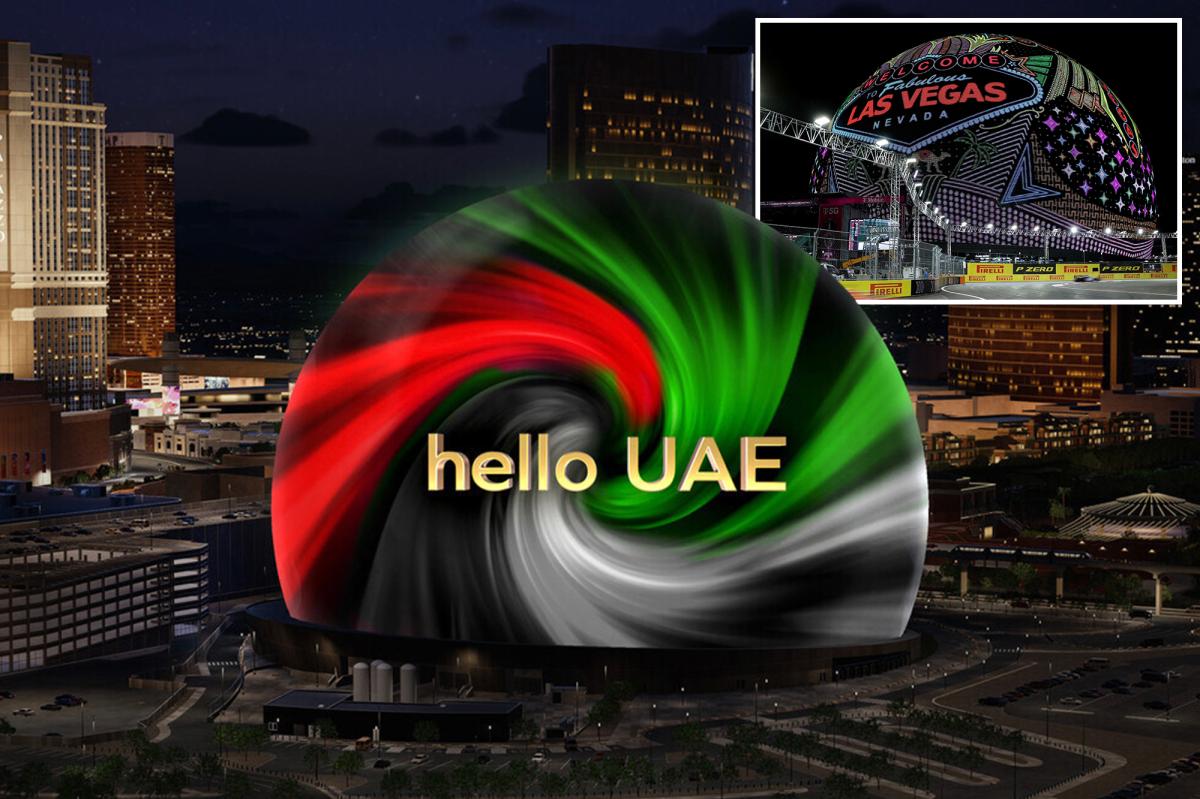
UAE Capital to Host Second Sphere: Legal & IP Frameworks Underpinning Major Entertainment Venue
Abu Dhabi to Host Second Global Sphere Entertainment Venue Under Major Commercial and IP Agreement Abu Dhabi, UAE – The Emirate of Abu Dhabi is set to become home to the second Sphere entertainment complex globally, following a significant commercial agreement between Abu Dhabi’s Department of Culture and Tourism and Sphere Entertainment Co. The landmark deal underscores a strategic move to enhance the region’s entertainment and tourism landscape, involving substantial contractual obligations and intellectual property considerations. The agreement stipulates that Abu Dhabi will remit a franchise fee to Sphere Entertainment Co. for the utilization of its proprietary designs and concepts in constructing the new venue. Furthermore, the Abu Dhabi government will be responsible for the full construction costs of the structure and will pay annual fees for the creative and artistic content to be showcased within the complex. This framework highlights a comprehensive commercial partnership, structured through a detailed contractual arrangement encompassing licensing, development, and ongoing content provision. While specific financial figures and the precise location within the Emirati capital remain undisclosed, the nature of the arrangement points to a substantial investment in the region’s entertainment infrastructure. The first Sphere venue, located in Las Vegas, United States, represented a significant capital outlay, suggesting the Abu Dhabi project will also involve considerable resources. From an intellectual property standpoint, the expansion into the GCC region has seen Sphere Entertainment Co. actively pursuing trademark protection. Filings for trademarks have been observed in several regional markets, including Oman and Qatar, in addition to Japan. This proactive approach to safeguarding brand identity and proprietary concepts through trademark registration is a standard commercial practice for entities looking to establish or protect their market presence, even in the absence of immediate development plans. Such filings underscore the importance of intellectual property rights in international business expansion and commercial strategy. The development also aligns with Abu Dhabi’s broader strategy to differentiate itself as a premier global travel destination and to diversify its tourism offerings. The introduction of such a prominent entertainment venue is expected to attract significant international attention and boost the emirate’s appeal. The project operates within a dynamic regulatory environment for large-scale developments, a factor that has previously influenced similar international projects.

Protecting Innovation and Business Assets: Why Expert Intellectual Property Legal Support Matters
Introduction In today’s economy intellectual property is a valuable asset for businesses, entrepreneurs, innovators and creators. Intellectual property includes things like trademarks, patents, copyrights and trade secrets. Protecting these assets is crucial for staying with competitors and ensuring long-term business success. A trusted IP Law Firm in Saudi Arabia can help businesses secure their assets while navigating intellectual property regulations. At AL ajaleen Law & Intellectual Property we offer intellectual property services to protect innovations, strengthen brands and support sustainable business growth in Saudi Arabia. Understanding the Role of an IP Law Firm An intellectual property law firm specializes in protecting and enforcing rights related to intellectual assets. These assets include trademarks, patents, copyrights, industrial designs and trade secrets. As businesses innovate and expand, intellectual property protection becomes increasingly important to prevent use, infringement and unfair competition. An experienced IP law firm provides legal guidance throughout the entire lifecycle of intellectual property management. This includes registration, portfolio development, enforcement and dispute resolution. Benefits of Working with an IP Law Firm in Saudi Arabia Comprehensive Intellectual Property Protection A professional IP law firm helps businesses identify, register and protect intellectual assets. This ensures that innovations, brands and creative works receive protection. Expert Trademark and Patent Services Protecting trademarks and patents requires legal knowledge. IP professionals assist with registrations, applications, renewals and legal compliance. This reduces the risk of delays or rejections. Protection Against Infringement Intellectual property rights can be vulnerable to misuse or unauthorized copying. Legal experts help monitor, enforce and defend these rights through legal strategies and enforcement actions. Increased Business Value protected intellectual property enhances a company’s reputation and market value. Investors, partners and stakeholders often view registered property as a valuable business asset. Strategic Business Growth Support Intellectual property can create new revenue streams through licensing, franchising, partnerships and commercialization opportunities. Proper legal protection helps businesses maximize these opportunities. Risk Management and Legal Compliance An IP law firm helps businesses comply with intellectual property regulations. Avoid costly legal disputes. This ensures operations and stronger market positioning. Why Choose AL ajaleen Law & Intellectual Property? At AL ajaleen Law & Intellectual Property we are committed to delivering reliable intellectual property services. Our experienced team assists businesses, entrepreneurs, inventors and organizations with trademark registration, patent protection, copyright services, intellectual property portfolio management and dispute resolution. We understand the importance of safeguarding innovation and brand identity in a marketplace. By combining expertise with a client-focused approach we help our clients protect their intellectual assets and achieve their business objectives with confidence. Conclusion Selecting the right IP Law Firm in Saudi Arabia is a step toward protecting your intellectual assets and securing your business future. Effective intellectual property protection safeguards innovations and brand identity. It also creates opportunities for growth, investment and long-term success. With experience and a commitment to excellence AL ajaleen Law & Intellectual Property provides trusted intellectual property solutions. These solutions help businesses protect what matters most and thrive in an evolving marketplace. FAQs Q1. What services does an IP law firm provide? An IP law firm provides services related to trademarks, patents, copyrights, industrial designs, trade secrets, licensing, intellectual property enforcement and dispute resolution. Q2. Why is intellectual property protection important for businesses? Intellectual property protection safeguards business assets. It prevents use, strengthens brand identity and supports long-term growth. Q3. Can an IP law firm help with trademark and patent registration? Yes IP law firms assist with trademark registration, patent applications, renewals, legal compliance and portfolio management. Q4. How can intellectual property increase business value? Protected intellectual property can attract investors. It can create licensing opportunities, enhance brand reputation and provide an advantage in the market.