
Emirati Innovator Secures International Patents with Governmental Support Abu Dhabi, UAE – An Emirati engineer, Reem Al Marzouqi, has successfully secured a US patent and a Japanese patent for her pioneering invention: a foot-controlled car designed for individuals with limited or no arm mobility. This significant achievement underscores the UAE government’s commitment to fostering innovation and supporting intellectual property protection within the nation. The patented design addresses a crucial need for accessibility, offering a novel solution for mobility challenges. The inventor highlighted that the process of obtaining these international patents was substantially facilitated by the direct support provided by a governmental university in the UAE. Facilitating Intellectual Property Rights The journey to secure international patents often involves considerable financial, legal, and administrative complexities. Al Marzouqi confirmed that the governmental university played a critical role in navigating these challenges, managing the necessary legal interventions, and providing financial resources for the extensive documentation required. This institutional backing significantly alleviated the typical burdens associated with global patent applications, allowing the innovator to focus on creative development. This direct governmental assistance for patent acquisition exemplifies the strategic efforts within the UAE to build a robust ecosystem for innovation. Such support is crucial for inventors, as it streamlines the complex process of protecting their intellectual property globally, thereby encouraging further development and application of novel solutions. Broader Impact on National Innovation The successful acquisition of these patents, particularly with direct governmental facilitation, serves as a notable example of the opportunities available to innovators within the UAE. It highlights a legal and regulatory environment that actively promotes scientific and technological advancements by safeguarding the rights of inventors. The emphasis on providing comprehensive support, from conceptualisation to international patent registration, aligns with the UAE’s broader vision of becoming a global hub for innovation and advanced technology. This framework is designed to empower local talent to contribute to global progress while ensuring their intellectual creations are legally recognised and protected on an international scale.

GCC Patent Landscape: Key Legal Trends and Frameworks
GCC Patent Landscape: Evolution, Challenges, and Future Reforms The Gulf Cooperation Council (GCC) region continues to develop its unified patent framework, aiming to foster innovation and protect intellectual property rights across its member states: Bahrain, Kuwait, Oman, Qatar, Saudi Arabia, and the United Arab Emirates. While significant strides have been made since the establishment of the GCC Patent Office, the system faces ongoing challenges in enforcement and regulatory coherence, alongside proposals for modernisation. Foundations of the GCC Patent System Established in Riyadh, Saudi Arabia, in 1992, the GCC Patent Office began accepting applications in 1998, offering a unitary patent right across all GCC nations. The core regulations, amended in 2000 to incorporate a novelty requirement, are largely compliant with the TRIPS Agreement. A distinctive feature of the GCC framework is the prerequisite that inventions must not conflict with Shari’ah law, in addition to meeting criteria for novelty, inventive step, and industrial applicability. Upon the grant of a GCC patent, the decision is publicly announced in the official gazette. Interested parties have a three-month window from this publication to file an invalidation action before the GCC Patent Grievances Committee. Past committee decisions indicate a strict adherence to this three-month jurisdictional limit for reviewing invalidation actions. Appeals against the Committee’s decisions are heard by the Administrative Court in Riyadh, as Saudi Arabia serves as the host state for the GCC Patent Office. Routes to Patent Protection Across the GCC Innovators seeking patent protection in the GCC have various avenues. Most member states – Bahrain, Oman, Qatar, Saudi Arabia, and the UAE – offer national patent filing options, recognise priority rights under the Paris Convention, and participate in the Patent Cooperation Treaty (PCT) system. Kuwait, however, streamlined its approach in April 2016, discontinuing the acceptance of new national patent applications. Applicants in Kuwait are now directed to file their patent applications through the GCC Patent Office, though the country remains part of the PCT system. The GCC Patent Office itself permits direct filings and recognises 12 months’ priority, but it is not a direct participant in the Paris Convention or PCT system for direct application routes. A critical procedural aspect across all GCC countries is the requirement for all filing and prosecution documents to be in Arabic. This necessitates accurate translation, with expert review of at least the claims strongly advised to prevent future enforcement complications. Professional Practice and Regulatory Gaps The patent agent and attorney profession within the GCC currently lacks a unified, region-wide professional regulatory body. While individual national patent offices license firms to operate before them, there is no mandated separate qualification akin to a ‘patent attorney.’ This absence has, in some instances, led to difficulties for applicants due to inadequate understanding of patent law and practice by certain representatives. Although the UAE Patent Office has historically shown leniency towards applicants prejudiced by agent errors, continued discretion is not guaranteed. The development of patent practice in the region is arguably hindered by this regulatory gap. Litigation Challenges and Emerging Jurisprudence Patent litigation in the GCC has remained relatively limited, attributed to several factors: the nascent stage of patent systems, the small number of granted patents, and a scarcity of published court decisions that could clarify judicial interpretations of patent law principles. Furthermore, there has been a noted lack of specialist judges and technical experts to adjudicate such complex cases. Recent developments aim to address some of these issues. In the UAE, a dedicated Intellectual Property division was established within the Federal Court in 2017, staffed by judges receiving specialised IP training. This division has shown efficiency in case management. Conversely, proposed amendments in Saudi Arabia, which have yet to be enacted, could potentially disband the specialist Patent Committee, transferring patent-related civil cases to the criminal division of the Board of Grievances, a move that could be seen as a setback. A notable obstacle for patentees is the reluctance of industry to fully engage with regional patent systems due to concerns about enforceability. This apprehension was underscored by a recent UAE court decision refusing to enforce a GCC patent, citing the absence of necessary local implementing regulations. Saudi Arabia, with its longer-established patent system and larger market, has seen the most patent-related litigation, particularly in pharmaceutical and petrochemical sectors. Saudi courts also handle the revocation of GCC patents. However, securing damages in infringement lawsuits in Saudi Arabia remains challenging due to Shari’ah law’s stringent requirements for proving a direct causal link for damages. Consequently, no plaintiff is known to have been awarded damages, and despite statutory provisions for injunctions, no such order has been granted to date. Complexity of Revocation and Infringement Revocation of a GCC patent presents a complex legal landscape due to perceived gaps in the GCC Patent Law, the limited jurisdiction of the Patent Grievances Committee (three months post-publication), and the devolution of enforceability issues to individual member states. Infringement proceedings can only commence after a patent grant and must be initiated in the country where the infringement occurs. In cases involving GCC patents, if invalidity is raised as a defence, revocation proceedings must be brought in Saudi Arabia, as supported by case law such as Decision of Committee No. 52/1432 H. Lundbeck AS v. SPIMACO, which affirmed the Saudi Patent Committee’s jurisdiction over GCC patent enforcement and the acceptability of invalidity as a defence. This can lead to delays if infringement cases in other GCC states are stayed pending revocation decisions in Saudi Arabia, potentially frustrating patentees in a region where interim injunctions are rare. For UAE national patents, infringement cases are filed in the specific Emirate of infringement, creating potential jurisdictional overlaps with Federal Courts handling revocation. Calls for Modernisation of GCC Patent Law There is a recognised need to update the GCC Patent Law, which is considered older than many national patent laws within the Council States. Key proposals for amendment include: General updating of the legal framework. Introducing protection for Utility Models. Ensuring better compliance with international agreements like the Patent Law Treaty

MLS Submits Patent Application for Falcon V-Hull Blast Protection System, Implications for GCC Intellectual Property Law
GCC Company Files Patent for Advanced Blast Protection System in UAE and Saudi Arabia A GCC-based entity, Mobile Land Systems (MLS), has recently filed a patent application in both the United Arab Emirates and Saudi Arabia. The intellectual property filing pertains to the innovative design of its Falcon V-Hull Blast Protection system. This development signifies a notable step in the region’s contribution to advanced engineering and intellectual property generation. The Falcon V-Hull system, designed in collaboration with survivability experts and engineering teams based in the UAE and Saudi Arabia, is intended for integration into mine-protected vehicles. The company asserts that the system offers substantial protection against improvised explosive devices (IEDs) and landmines, engineered to comply with the comprehensive standards outlined in STANAG 4569. Industry representatives highlighted the increasing importance of robust blast protection given contemporary threats, underscoring the commitment to enhancing safety for personnel operating such vehicles. Regional Manufacturing and Development Expansion Beyond the patent filing, MLS has demonstrated a sustained commitment to regional manufacturing and development. The company launched its Viper MRAP (mine-resistant ambush protected) vehicle during the UAE Summer Trials in 2018, subsequently unveiling the product at IDEX in February. Notably, the Viper MRAP is distinguished as a vehicle designed and developed entirely within the UAE and Saudi Arabia, underscoring regional self-reliance in this specialized manufacturing sector. MLS is also expanding its operational footprint within the Kingdom of Saudi Arabia, with plans to establish additional manufacturing infrastructure in 2020 to produce its range of vehicles. This expansion follows the establishment of a 35,000m² production complex in the UAE in 2015, aimed at fostering local industry development. Furthermore, the company initiated an integration and support facility in Saudi Arabia in 2016, specifically to support vehicles utilized by the Saudi Armed Forces. These strategic investments highlight a growing trend of localizing advanced manufacturing and technological development within the GCC.
UAE: DEWA Secures Patent for CSP Site Selection Technology
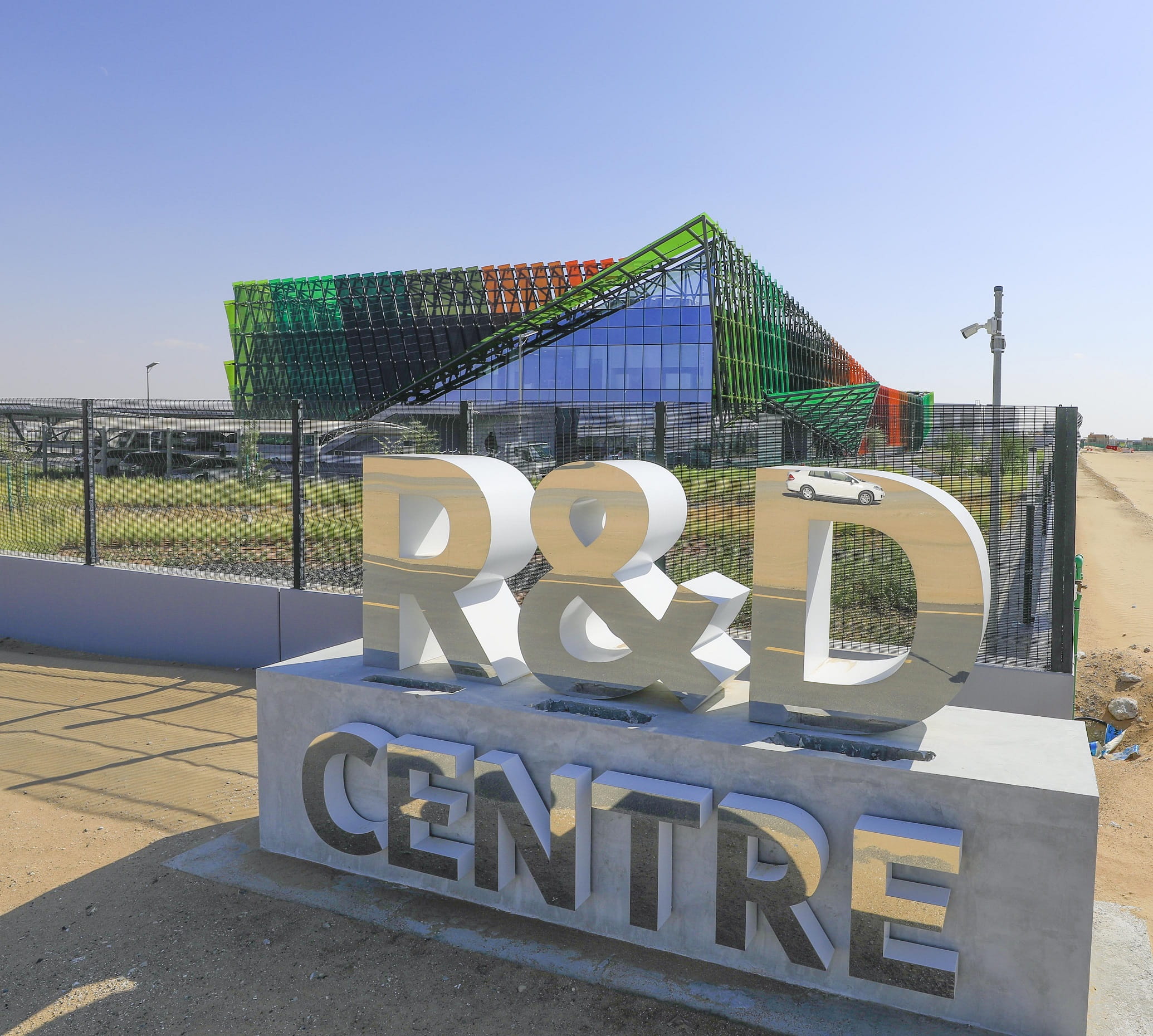
UAE Entity Secures Patent for Advanced Solar Technology Dubai, UAE – Dubai Electricity and Water Authority (DEWA), through its Research and Development (R&D) Centre, has been granted a patent by the UK’s Intellectual Property Office for an innovative system designed to measure atmospheric attenuation. This development reinforces the UAE’s growing intellectual property portfolio and commitment to innovation in the energy sector. Innovative System for Enhanced Solar Project Efficiency The newly patented system provides a sophisticated method for identifying optimal locations for solar towers and heliostats within Concentrated Solar Power (CSP) projects. It achieves this through precise calculations derived from data collected by an autonomous vehicle and a drone, enabling meticulous assessment of atmospheric factors, such as dust, that can affect solar energy capture. This invention offers a more efficient and accurate alternative to traditional radiation measurement techniques, which typically rely on fixed installations located at considerable distances. By providing localised and precise data, the system is expected to significantly enhance the efficiency and effectiveness of CSP systems, allowing for better control over heliostat direction to maximise solar radiation utilisation. Alignment with National Innovation Objectives DEWA’s leadership highlighted that this patent aligns with the UAE’s strategic vision to foster creativity and innovation. The initiative supports national objectives such as UAE Centennial 2071, which aims for the UAE to be a global leader, and the National Innovation Strategy, which seeks to position the UAE among the most innovative nations worldwide. It also contributes to the Dubai Innovation Strategy, aspiring to make Dubai the most innovative city globally. The patent underscores a commitment to enriching scientific knowledge and advancing the clean and renewable energy sectors through specialized research. Practical Application in Major Projects The technology’s significance is further underscored by DEWA’s extensive use of CSP in the Mohammed bin Rashid Al Maktoum Solar Park. Specifically, the 950 MW fourth phase of the park, which represents the world’s largest single-site investment project combining CSP and photovoltaic (PV) technologies under an Independent Power Producer (IPP) model, stands to benefit. This phase incorporates 700MW from CSP (600MW from a parabolic basin complex and 100MW from a solar tower) and 250MW from photovoltaic solar panels. Notably, it will feature the world’s tallest solar tower, measuring 262.44 metres, with a substantial thermal storage capacity of 15 hours, ensuring round-the-clock energy availability. The successful registration of this patent marks a notable intellectual property achievement for a UAE government entity, reflecting the nation’s ongoing efforts to lead in scientific and technological advancements within the energy domain.
UAE Iceberg Project: Cutting-Edge Technology Spurs IP & Regulatory Compliance Focus
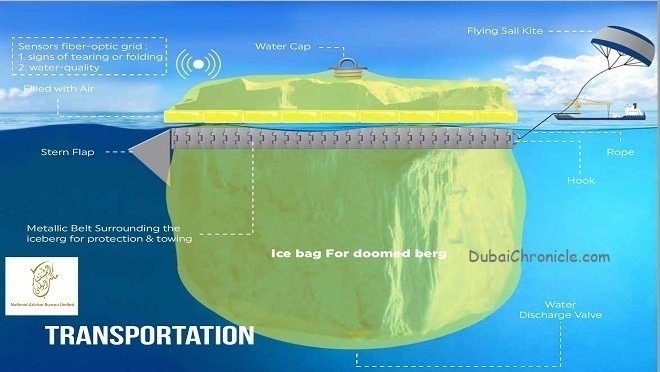
UAE-Based “Iceberg Reservoirs” Invention Secures UK Patent, Bolstering Project’s Commercial Viability Dubai, UAE – A significant development in intellectual property rights has been announced for the “Iceberg Reservoirs” invention, a concept integral to the “UAE Iceberg Project.” The UK Intellectual Property Office (IPO) has granted a patent for this innovative technology, marking a crucial milestone for the project spearheaded by an Emirati inventor. The patent was awarded to Abdulla Alshehhi, the founder of the UAE Iceberg Project and an inventor associated with National Advisor Bureau Limited. This legal protection is expected to substantially enhance investor confidence in the project’s technical and economic feasibility. The securing of an official patent provides a robust intellectual property framework for the invention, which aims to address water distribution challenges globally. Implications for Commercial and Business Development The acquisition of this patent is a key factor in de-risking the project from a commercial perspective. It provides exclusive rights to the inventor, fostering a more attractive environment for potential investment institutions and international water companies interested in participating in the venture. The patent signifies a validated technological innovation, which is critical for securing capital and forging strategic partnerships. Since its initial announcement, the UAE Iceberg Project has engaged in various agreements with scientific institutions and companies worldwide, focusing on leveraging icebergs as a novel source of fresh water for the region. The patented technology, described as “flexible, heat-insulated, and cost-effective reservoirs leveraging renewable energy,” is central to the project’s methodology for towing icebergs to the UAE’s coasts while preventing melting. The project positions the UAE to potentially become a prominent exporter of fresh water, intensifying competition among investors seeking to participate in this promising endeavor. The patent strengthens the inventor’s position in attracting the estimated USD 9 million sought in the first funding round, underpinning the commercial aspects of this ambitious initiative.
KIPO Commissioner Park Won-joo to Lead Intellectual Property Talks in UAE
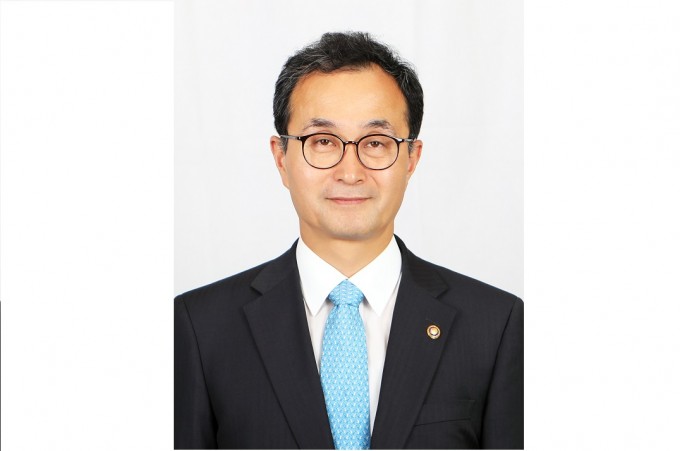
UAE Bolsters Intellectual Property Framework with Expanded Patent Examination Cooperation Dubai, UAE – The United Arab Emirates is set to enhance its intellectual property protection capabilities following a high-level meeting in Dubai focused on strengthening bilateral cooperation with the Korean Intellectual Property Office (KIPO). The discussions, held on the 19th of this month, involved a delegation led by Mohammed Al Shehhi, Undersecretary of the UAE Ministry of Economy, and the Commissioner of KIPO. A significant outcome of the meeting is the scheduled signing of a Memorandum of Understanding (MOU) between the UAE and KIPO. This agreement will expand the scope of patent examination services provided by Korea to the UAE, moving beyond initial examination to encompass intermediate and final examination stages. This development builds upon a prior agreement reached during the 58th General Assembly of the World Intellectual Property Organization (WIPO) to broaden KIPO’s patent examination services for the UAE. The current meeting served as a working-level discussion to finalize the operational specifics of these expanded services. Combating Counterfeit Goods Beyond patent services, the agenda also addressed pressing issues related to intellectual property infringement in the region. Deliberations included strategies for countering the proliferation of counterfeit Korean products, particularly those capitalizing on the “Korean Wave” (Hallyu) phenomenon, which are being distributed by foreign companies across the Middle East. This focus underscores a concerted effort to enforce trademark rights and protect consumers from illicit goods. The expansion of patent examination cooperation and the commitment to combat counterfeiting signal the UAE’s ongoing dedication to strengthening its legal and regulatory framework for intellectual property. These initiatives are crucial for fostering innovation, attracting investment, and ensuring fair trade practices within the Emirates and the broader region.

GCC Legal Update: UAE Golden Visa Eligibility and Requirements Explained
UAE’s Golden Visa Program Bolsters Economic Diversification and Talent Attraction The United Arab Emirates continues to fortify its position as a global financial and business hub, driven by robust infrastructure, political stability, and a business-friendly environment. A cornerstone of this strategy is the Golden Visa initiative, a long-term residency program designed to attract and retain international talent and significant investment. Regulatory Framework and Strategic Objectives Introduced in 2019, the UAE Golden Visa represents a significant evolution in the nation’s residency policies, moving beyond a temporary labour model to cultivate a sustained influx of high-value individuals and capital. This government legal framework offers renewable 5-to-10-year visas across all seven emirates, including Abu Dhabi, Dubai, and Sharjah. The primary objectives are to diversify the national economy away from oil reliance and strengthen key sectors such as technology, education, and healthcare. Beneficiaries of the program enjoy the privilege of living, working, and studying in the UAE without the need for a national sponsor, alongside facilitated travel access. Diverse Eligibility Criteria for Professionals and Investors The Golden Visa program outlines specific requirements across a broad spectrum of categories to ensure it aligns with the nation’s strategic growth areas: Entrepreneurs: Applicants must demonstrate ownership of a technical or innovative economic project valued at a minimum of AED 500,000. Endorsements from a UAE auditor, relevant emirate authorities, and an accredited UAE business incubator are essential. Inventors: Eligibility requires a recommendation from the Ministry of Economy, validating the patent’s economic contribution to the UAE. Creative Professionals in Culture and Arts: An approval letter from the UAE’s Department of Culture and Arts is mandated. Medical Professionals and Scientists: Approval from the Ministry of Health and Prevention, alongside a recommendation letter from pertinent scientific councils, is required. Athletes: Candidates need a recommendation from the UAE General Sports Authority or relevant sports councils. Specialists in Engineering and Science: A relevant university degree and a valid work contract are prerequisites. Outstanding Students: High-achieving secondary school students and university graduates with superior GPAs from recognised institutions are eligible. Executive Directors: Applicants must possess a relevant university degree, a minimum of five years’ experience in their current role, and a salary of at least AED 50,000. Public Investment Investors: This category requires depositing AED 2 million into an accredited UAE investment fund, owning a business with capital of at least AED 2 million, or paying a minimum of AED 250,000 annually in government taxes. Furthermore, full ownership of invested capital and comprehensive medical insurance for the applicant and their family are mandatory. Real Estate Investors: Individuals must own property in the UAE valued at a minimum of AED 2 million, or acquire property through a loan from approved local banks. Notably, this visa type does not necessitate a sponsor. Streamlined Application Process To enhance accessibility and efficiency, the application and renewal process for the Golden Visa has been streamlined through the ‘One-touch’ service. Prospective applicants can submit their details via the Federal Authority for Identity, Citizenship, Customs & Port Security (ICP) website or its dedicated mobile application. The Golden Visa program underscores the UAE’s commitment to fostering a dynamic and inclusive economic environment, attracting individuals who contribute to the nation’s long-term prosperity and global competitiveness.

UAE State Institute’s AI Centre in Israel Raises Intellectual Property & Patent Considerations
Abu Dhabi’s TII Establishes AI Research Hub, Signalling Strategic Regional Tech Collaboration Abu Dhabi, UAE – The Abu Dhabi Technological Innovation Institute (TII), a leading state-backed research entity, has announced the establishment of a new Artificial Intelligence (AI) research center in Haifa, Israel. This strategic move underscores a growing trend of international scientific and commercial cooperation in advanced technology, with significant implications for corporate development, intellectual property strategies, and future regulatory landscapes. The new center will be led by Yoelle Maarek, a prominent computer scientist with a distinguished background at global technology firms. The initiative highlights the UAE’s commitment to advancing its technological capabilities and fostering a knowledge-based economy through international partnerships. Corporate Expansion and Innovation Focus TII, founded in 2020 by the Advanced Technology Research Council of the Abu Dhabi government, positions itself as a key driver of scientific disruption. The establishment of this offshore research facility represents a notable expansion of its operational footprint and strategic corporate development. Such international ventures typically involve complex contractual agreements, regulatory compliance in both jurisdictions, and careful management of intellectual property rights. A core focus of TII’s research efforts is the development of advanced AI systems, exemplified by its flagship product, Falcon 180B. This open-source large language model (LLM) is designed to be a high-performance component for AI applications, capable of natural language interaction. The decision to make such a sophisticated model open-source carries important implications for intellectual property management and commercial adaptability, particularly in anticipation of evolving regulatory frameworks in heavily controlled markets. Legal and Regulatory Considerations for AI Development The development and deployment of open-source AI models like Falcon 180B bring a distinct set of legal and compliance considerations. While open-source licensing can foster wider adoption and innovation, it necessitates clear frameworks for attribution, modification, and commercial use. As AI technology advances, governments globally are increasingly scrutinizing its ethical implications, data privacy requirements, and potential for misuse, leading to an emergent body of AI-specific regulations. TII’s emphasis on open-source solutions may position it advantageously for compliance within diverse global regulatory environments. Employment and Human Capital Development The establishment of the new research center will also create significant employment opportunities, with an immediate focus on hiring talented researchers and applied scientists in generative AI and information retrieval. This recruitment drive aligns with global efforts to attract and develop high-skilled human capital in critical technological fields, reflecting the employment law and labour market dynamics associated with a burgeoning tech sector. The demand for specialised AI professionals is a key indicator of economic growth and diversification initiatives. This expansion by TII into a new international research hub marks a significant development in the GCC’s strategic pursuit of leadership in advanced technologies and underscores the commercial and corporate law implications of cross-border technological collaboration.

Dubai Customs Bolsters UAE IP Protection with 4,344 Trademark Registrations
Dubai Customs Reinforces Intellectual Property Protection Through Extensive Trademark Registration Dubai, UAE – Dubai Customs continues its dedicated efforts to safeguard intellectual property rights (IPR) within the emirate, prominently featuring a robust trademark registration service. This strategic initiative plays a crucial role in preventing counterfeit goods from entering the UAE market via Dubai’s various border crossings and fostering a secure commercial environment. The registration of trademarks is a fundamental component of Dubai Customs’ comprehensive IPR protection strategy. This service empowers trademark owners to effectively combat the illicit trade of imitation products. By registering their brands, companies enable Dubai Customs to identify and intercept counterfeit items, thereby protecting both consumer interests and legitimate businesses. Key Registration Figures and Strategic Objectives Since the establishment of its IPR Department in 2005, Dubai Customs has recorded a total of 4,344 trademark registrations. In recent periods, the department registered 437 trademarks in 2021 and an additional 231 trademarks in the current year to date. These figures underscore the ongoing commitment to bolstering IPR enforcement. Officials emphasize that trademark registration is a key strategic objective aimed at enhancing security and combating illegitimate trade practices. This forms an integral part of Dubai Customs’ broader mission to provide investors and businesses with an attractive and secure operational landscape. The protection against counterfeit goods is deemed essential for ensuring fair competition and preserving the value of original brands. Collaborative Enforcement and Market Protection The process for trademark owners involves registering their intellectual property through the Dubai Customs website, following prior registration with the Ministry of Economy. This streamlined approach facilitates the necessary legal framework for customs intervention. A critical aspect of Dubai Customs’ enforcement mechanism involves active collaboration with trademark owners. This cooperation extends to conducting specialized workshops for customs inspectors. These educational sessions, often led by trademark representatives, equip inspectors with the knowledge to identify various methods of counterfeiting, thereby enhancing their capabilities in detecting infringing goods. This proactive approach aims to protect society from the potential hazards of counterfeit products and to ensure that traders and investors can achieve optimal returns on their legitimate investments within a protected market.

UAE Updates Patent and Designs Law: Key Intellectual Property Reforms
UAE Unveils Landmark Industrial Property Law, Strengthening Innovation Protection The United Arab Emirates is poised to significantly enhance its intellectual property landscape with the enforcement of Federal Law No. 11 of 2021 on Regulation and Protection of Industrial Property Rights. This pivotal legislation, which became effective on November 30, 2021, introduces sweeping reforms across the patent, utility model, and industrial design regimes, signaling a robust commitment to fostering innovation and safeguarding creators’ rights within the Emirates. Key Reforms in Patent and Design Protection The new law introduces several critical amendments aimed at aligning the UAE’s industrial property framework with international standards. A notable addition is a twelve-month novelty grace period for patents, utility models, and industrial designs. This provision allows for certain disclosures of an invention or design by the inventor, or by others who have obtained information directly from the inventor, prior to the official filing date without compromising the novelty requirement. Furthermore, the legislation mandates substantive examination for industrial designs, a significant procedural shift that will introduce a more rigorous assessment process for design applications. The law also establishes a mechanism for expediting the examination of patent and utility model applications, which is expected to streamline the registration process for innovators. Procedural Enhancements and Term Extension Applicants for patents and utility models will benefit from the introduction of provisions for filing divisional applications, offering greater flexibility in managing complex intellectual property portfolios. In a substantial enhancement for creators, the term of protection for industrial designs has been extended from the previous ten years to a more comprehensive twenty years, providing longer-term security for creative works. The law also specifies that forthcoming Executive Regulations will delineate the precise requirements for various procedural aspects, including examination processes, publication protocols, annuity payments, restoration procedures, and grievance mechanisms. Dispute Resolution and International Cooperation A dedicated Grievance and Objections Committee will be established to address requests for re-examination by third parties and grievances pertaining to the registration of patents, utility models, and industrial designs. While this committee will focus on registration-related disputes, infringement actions will continue to be directed to the courts. In a move to facilitate international patent applications, the UAE Patent Office has been designated to act as a receiving office for international applications filed under the Patent Cooperation Treaty (PCT). Operational procedures for this function are to be detailed in the upcoming Executive Regulations. Impact on Employment and Transitional Provisions The new Federal Law incorporates important changes regarding the rights of employee inventors and their employers, addressing ownership and remuneration aspects of inventions developed within an employment context. While the law does not provide specific transitional provisions for applications pending at its effective date, it explicitly revokes previous contradictory provisions, suggesting that existing applications will likely be processed under the new legal framework. It is anticipated that the Executive Regulations, which are crucial for providing comprehensive guidance on the implementation of these extensive changes, may not be issued concurrently with the law’s effective date. Stakeholders are advised to monitor official announcements for the issuance of these regulations, which will offer further clarity on practical application.