

UAE Sees Significant Surge in Trademark Registrations, Bolstering IP Landscape Dubai, UAE – [Current Date]: The United Arab Emirates has reported a substantial increase in trademark registrations during the first quarter of 2024, signaling robust economic activity and a strengthened intellectual property environment within the nation. Official data released by the Ministry of Economy indicates an annual rise of 64 percent, with 4,610 new trademarks recorded compared to 2,813 during the same period in 2023. Notable Growth in Q1 2024 The first three months of the year demonstrated consistent growth, culminating in a particularly active March, which alone saw 2,018 new brand registrations. The preceding months of January and February collectively contributed 2,592 registrations. This upward trend underscores the UAE’s appeal as a burgeoning business hub and its commitment to fostering an innovation-driven economy. New trademarks span a diverse array of critical economic sectors, including smart technology, transportation, food and beverage, pharmaceuticals, medical devices, finance, and real estate, among others. This broad sectoral representation highlights the varied commercial interests establishing or expanding their presence in the Emirates. Ministry Initiatives and International Adherence The Ministry of Economy has affirmed its dedication to enhancing the trademark registration process. On April 17, the ministry communicated its efforts to evolve the service through the integration of advanced technologies and innovative solutions, aiming for greater efficiency and improved client interaction. The UAE’s robust trademark registration system is further fortified by its adherence to key international treaties and agreements. Membership in frameworks such as the Paris Convention for the Protection of Industrial Property and the Agreement on Trade-Related Aspects of Intellectual Property Rights (TRIPS) provides a solid foundation for international trademark registration and enforcement. These international commitments are instrumental in empowering businesses to confidently expand their operations across national borders. Comprehensive Enforcement Framework Beyond registration, the UAE has implemented comprehensive mechanisms for safeguarding trademark rights and actively combating infringement. These provisions encompass both civil remedies and criminal penalties. Civil recourse available to rights holders includes the award of damages, the issuance of injunctions to cease infringing activities, and the seizure of counterfeit goods. For more severe breaches, criminal penalties are in place to address trademark counterfeiting and piracy, reinforcing the nation’s commitment to protecting intellectual assets.

UAE Unveils New Patent Law: Key Insights for Businesses & IP Holders
UAE Enacts New Federal Law to Modernise Industrial Property Rights Framework The United Arab Emirates has introduced Federal Law No. 11 of 2021, a significant legislative update aimed at regulating and safeguarding industrial property rights across the nation. This new law, published in Official Gazette No. 703 on May 31, 2021, repeals the previous Patent Law, Law No. 17 of 2002, and is set to enhance the country’s intellectual property landscape. Executive Regulations detailing the implementation of the law are anticipated in November 2021. The comprehensive legislation encompasses various aspects of intellectual property, including patents, industrial designs, integrated designs, concealed knowledge, and utility certificates. This move aligns the UAE’s industrial property framework more closely with international best practices and standards. Key Legislative Enhancements The new Federal Law introduces several notable changes designed to streamline processes and bolster protection for innovators. Among the most significant amendments is the provision for a 12-month grace period for invention disclosures prior to filing, a feature common in many advanced patent systems globally. Furthermore, the law allows for an expedited review mechanism for “urgent applications,” indicating a commitment to efficiency in the patent registration process. Grace Period for Public Disclosure Article 5(4) of the new law specifies that public disclosures made by an inventor within 12 months before the patent application filing date will not compromise the invention’s novelty. This “grace period” is crucial for inventors, as it grants them a window to disclose their inventions publicly without forfeiting their right to patent protection, a common hurdle in jurisdictions requiring absolute novelty. Refined Patentability Criteria and Filing Procedures The law provides a clearer definition of what constitutes an “inventive step” for patent eligibility. An innovation is now deemed to involve an inventive step if it is not obvious or apparent to a person skilled in the art, aligning with global patent registration requirements. Article 11 outlines updated filing requirements, permitting applications to be submitted in either English or Arabic, with provisions for late submission of translations if necessary. A 90-day period is granted for applicants to address missing document requirements following official notification. The law also permits adjustments to be made to an application after filing, provided these changes remain within the scope of the original submission. Expedited Review and Publication Mechanisms Under Article 14, applicants can now request an expedited review for “urgent patent applications.” This facility could potentially pave the way for the UAE to participate in initiatives such as the Patent Prosecution Highway (PPH), which facilitates faster examination by leveraging work products from other patent offices. Regarding publication, Article 13 stipulates that the Ministry will announce the approval of a patent grant in the Official Gazette once the invention meets patentability standards, as guided by the Executive Regulations. Clarity on whether pending applications will be publicly disclosed prior to grant is expected with the release of these regulations. Divisional Applications and Infringement Exemptions Article 16 introduces the ability for applicants to submit one or more divisional applications if an initial application encompasses multiple innovations. These divisional applications will retain the filing date of the original application, with specific requirements to be detailed in the Executive Regulations. Furthermore, Article 22 expands the exceptions to patent infringement. Beyond the existing exemptions for non-commercial educational or research purposes and transitory entry of patented products into the state, a new exception has been added: the use of a patent in a “combination of two or more medications for the purpose of medical treatment by a licensed pharmacist.” Strengthened Enforcement and Compulsory Licensing The new law also broadens the scope for compulsory licenses, extending their application to situations involving ‘crisis or disaster,’ in addition to existing grounds such as emergency, grave public necessity, and non-commercial uses. Penalties for infringement have been significantly increased. Under the previous law, fines ranged from AED 5,000 to AED 100,000. The new law imposes fines between AED 100,000 and AED 1,000,000, coupled with the possibility of imprisonment, underscoring a stricter approach to intellectual property rights enforcement. The enactment of Federal Law No. 11 of 2021 is poised to significantly enhance the UAE’s industrial property rights framework, offering more robust protection and aligning with global standards. Businesses and innovators operating within the UAE are encouraged to stay informed of the upcoming Executive Regulations for full clarity on the law’s practical implementation.
UAE Anti-Counterfeiting Law Guide: Protecting Brands & Ensuring Compliance
UAE Faces Evolving Anti-Counterfeiting Challenges, Emphasises Coordinated Enforcement Dubai, UAE – While the United Arab Emirates boasts advanced intellectual property (IP) legislation and proactive enforcement agencies, the effectiveness of its anti-counterfeiting measures is increasingly reliant on operational coordination across its diverse institutional landscape. Brand owners and legal practitioners are observing a shift in focus from the adequacy of existing laws to the consistency and efficiency of their practical application. The UAE’s status as a premier trade and logistics hub in the Middle East positions it at the forefront of the global fight against counterfeit goods. However, the multi-layered enforcement structure, encompassing both federal and emirate-level authorities, presents unique operational considerations for rights holders. Navigating a Complex Enforcement Architecture Despite a robust legislative foundation, enforcement outcomes are often shaped more by procedural alignment than by statutory frameworks alone. Practitioners frequently note variations across emirates and authorities, including: Differing documentation requirements for similar cases. Inconsistent evidentiary thresholds. Variations in administrative procedures among economic departments. Non-harmonized raid planning and execution protocols. Divergent timelines for enforcement actions and escalations. These operational disparities highlight the strategic imperative for rights holders to engage proactively and structure their anti-counterfeiting efforts through coordinated interaction with various authorities, rather than relying on uniform national procedures. Border Protection in a High-Velocity Environment As a critical transit and re-export hub, the UAE’s customs authorities play a pivotal role in IP protection. However, the sheer volume and speed of trade flows introduce practical challenges, such as complexities in authenticating diverse product categories, variations in how inspection teams assess supporting materials, differing seizure thresholds based on shipment profiles, and procedural distinctions between various ports and free zones. This underscores the need for high-quality intelligence from rights holders and standardized operational frameworks to enhance frontline effectiveness. The Rise of Sophisticated Counterfeit Models The nature of counterfeiting in the UAE is evolving, mirroring global market trends. Beyond traditional logo replication, enforcement bodies now contend with sophisticated forms of brand imitation. These include goods that: Mimic overall brand presentation without direct trademark use. Replicate packaging design, colour schemes, and retail appearance. Utilise marketing phrases such as “inspired by” or “equivalent to.” Imitate trade dress elements designed to create consumer confusion. Employ misleading origin narratives to convey perceived authenticity. Such “look-alike” ecosystems complicate enforcement, requiring assessments that extend beyond simple visual comparison to nuanced analyses of consumer perception. Bridging the Digital-Physical Enforcement Gap The proliferation of e-commerce and social media platforms has increased the visibility of infringing activities, with counterfeit distribution often relying on hybrid models that combine online promotion with physical supply chains. Despite enhanced digital detection capabilities, a disconnect persists between online intelligence gathering and tangible physical enforcement. Obstacles include unverifiable online identities, inconsistent evidence preservation standards across platforms, jurisdictional limitations in cross-border digital investigations, and difficulties in translating online intelligence into targeted physical raids. Addressing this digital-physical divide is emerging as a strategic priority for effective IP enforcement. Enhancing Institutional Capacity for Continuity Effective anti-counterfeiting measures are knowledge-intensive, requiring consistent familiarity with evolving product authentication methods, sector-specific risk indicators, and new deception techniques. To ensure enforcement predictability and strengthen collaboration between authorities and rights holders, there is a recognized need for sustained capacity-building initiatives. These include continuous technical training, sector-specific product familiarization, rapid dissemination of intelligence updates, and robust knowledge retention frameworks within enforcement agencies. Strategic Imperatives for Brand Owners In this dynamic environment, effective anti-counterfeiting strategies for brand owners must be proactive. Leading market participants are prioritising the development of detailed product identification tools for frontline officers, structured engagement with multiple enforcement authorities, continuous relationship management, integrated digital and physical enforcement planning, and early intelligence sharing. This expanded scope also broadens the advisory role of legal professionals, moving beyond legal interpretation to encompass enforcement strategy design and operational coordination. Outlook: Towards Modernised Enforcement The UAE maintains a strong commitment to intellectual property protection. Future progress in anti-counterfeiting efforts is expected to focus on greater procedural harmonisation across jurisdictions, the implementation of technology-enabled targeting systems, enhanced integration between digital intelligence and physical enforcement, institutionalised authority training programmes, and deeper public-private partnerships. The UAE is positioned not only as a critical jurisdiction in the global fight against counterfeit trade but also as a potential model for operationally coordinated enforcement in high-velocity markets.
Astra Tech Patents First-Ever Palm Pay Technology, Marking GCC Intellectual Property Milestone
UAE Sees Launch of Patented Palm Recognition Payment System Dubai, UAE – A significant development in the regional fintech landscape has emerged with the introduction of Palm Pay, a pioneering contactless palm recognition payment service. The technology, launched by a prominent consumer technology holding group in the MENA region through its CBUAE-licensed fintech subsidiary, PayBy, marks a notable advancement in secure transaction methods within the UAE. PayBy holds the exclusive patent for this innovative palm recognition technology, establishing it as the sole provider of this system in the region. The launch was announced during the Dubai Fintech Summit, underscoring the UAE’s commitment to fostering technological innovation in its financial sector. Regulatory and Intellectual Property Context The introduction of Palm Pay is underpinned by a robust legal and regulatory framework. As a CBUAE-licensed entity, PayBy operates under the direct oversight of the Central Bank of the UAE, ensuring compliance with established financial regulations. Crucially, the exclusive patent held by PayBy for the Palm Pay technology provides strong intellectual property protection, safeguarding its unique biometric authentication system. This patent position is central to the company’s market strategy as it aims to redefine payment experiences. Enhancing Commercial Transactions and Security Palm Pay is engineered to transform transactional processes across the UAE, offering a highly secure and convenient payment alternative. The system allows users to complete payments by simply hovering their palm over a device, leveraging advanced biometric authentication methods. This proprietary technology is designed to integrate seamlessly with existing point-of-sale (POS) systems, facilitating widespread adoption among merchants. From a commercial perspective, the system aims to simplify fintech offerings for businesses, extending beyond PayBy’s current network of 50,000 merchants. Its enhanced security features, which developers state are significantly more robust than other biometric methods like facial recognition, are intended to mitigate risks associated with traditional card payments and other digital transaction methods, addressing concerns regarding speed, cost, and identity security. Driving Digital Transformation and Financial Inclusion The roll-out of Palm Pay aligns with the UAE’s broader strategic objectives to lead in technological advancements and promote digital transformation within its financial sector. The technology’s user-friendly, secure, and rapid transaction process is expected to cater to a diverse demographic, including efforts to further financial inclusion for the unbanked population. By offering a quick, cost-effective, and secure solution for both consumers and merchants, Palm Pay is poised to contribute to the nation’s evolving digital economy and enhance the overall payment ecosystem.
UAE: Dubai Utility Files Patent for Chemical Liquid Enhancing Energy Storage
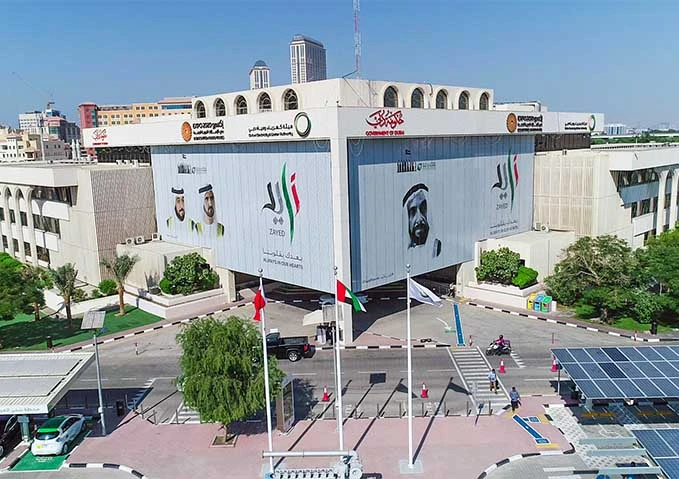
UAE Entity Files Patent for Advanced Energy Storage Liquid DUBAI – A prominent UAE utility’s Research and Development Center has officially submitted a patent application for a novel chemical liquid demonstrating high thermal and electrochemical stability. This development marks a significant step in the enhancement of energy storage systems, particularly those integral to the burgeoning renewable energy sector and electric vehicle markets across the Middle East. The innovative chemical composition is designed to improve the operational efficiency and security of energy storage solutions, with a specific focus on lithium-ion batteries, which are widely utilized in electric vehicles. This legal filing underscores the nation’s commitment to fostering innovation in critical technological domains. Leadership within the utility sector emphasized that this patent application aligns with broader strategic objectives to diversify the energy mix and advance storage capabilities. Initiatives such as large-scale solar parks, hydroelectric power plants, and green hydrogen projects, alongside pilot energy storage systems using advanced battery technologies, were cited as examples of this commitment. The aim is to bolster energy security and sustainability in accordance with leading global standards, thereby solidifying Dubai’s standing as a global hub for clean energy and a sustainable economy. The utility’s strategy is deeply rooted in digital transformation and the integration of Fourth Industrial Revolution technologies to drive innovation and maintain its position as a leading global utility provider. This focus on technological advancement and intellectual property protection is a key component of the region’s long-term energy transition plans. Beyond intellectual property developments, the utility continues to expand its clean energy infrastructure. A recent agreement involves a state-owned renewable energy developer for the construction and management of a substantial phase of a major solar park. This project, which will be executed under an independent power producer model, represents a significant investment in the region’s renewable energy capacity.

UAE Intellectual Property: Researcher Patents New Wind Turbine Design
UAE University Researcher Secures US Patent for Innovative Wind Turbine Design Dubai, UAE – A researcher at United Arab Emirates University (UAEU) has been granted a patent by the United States Patent and Trademark Office for a novel wind turbine design. This development marks a significant achievement in intellectual property and innovation originating from the UAE. The patented design draws inspiration from the aerodynamic principles of aircraft swept-back wings. The core objective behind this innovation was to enhance the efficiency of wind turbines, particularly in environments characterised by varying wind speeds, without increasing their energy consumption. Research and development for this design spanned a six-month period. Experts highlight that wind turbine blades featuring a swept-tip configuration can deliver improved performance. This design helps in mitigating air turbulence at the blade tips and promotes more stable airflow along the blade surfaces, leading to greater energy capture. This patent underscores the growing focus on advanced research and intellectual property creation within the UAE’s academic institutions. Such advancements contribute to the nation’s strategic goals of diversifying its energy mix and fostering a robust innovation ecosystem, particularly in renewable energy technologies. The UAE has previously launched its first wind program and seen other innovations in the sector, signaling a continued push towards sustainable energy solutions and the intellectual assets that support them.

Intellectual Property: Sony Patents Deformable Controller
Sony Files Patent for Deformable Gaming Controller, Signalling Innovation in Input Device IP Dubai, UAE – A recent patent filing by Sony Corporation outlines a novel gaming controller featuring a grid-shaped design with deformable buttons, representing a significant development in intellectual property within the interactive entertainment sector. The patent describes an advanced input device capable of offering enhanced tactile feedback and immersive gameplay experiences. The patented technology details a controller where buttons can be manipulated through twisting, pinching, elevation, and pushing actions. This innovation aims to move beyond conventional haptic feedback systems by delivering dynamic sensations of force, weight, and impact across a network of interconnected buttons, potentially redefining user interaction with virtual environments. Redefining Controller Interaction Through Patented Design According to documentation accompanying the patent, the “MANIPULATING DEVICE” comprises multiple node mechanisms linked by shafts, forming a grid structure. This design enables complex shape alterations, including extension, contraction, and bending, which are not achievable with existing controller technologies. The deformable buttons are envisioned to be covered with a pliable, cloth-like material, allowing the surface to dynamically respond to in-game actions. The intellectual property protected by this patent covers methods for simulating various physical sensations, such as gunfire, footsteps, water waves, and seismic activity, directly through the controller’s surface. This novel approach seeks to integrate the controller more intimately with gameplay, creating an “extension of the player.” Implications for Gaming Innovation and the GCC Market The patent highlights Sony’s strategic focus on advancing gaming immersion. The detailed specifications suggest new gameplay mechanics, such as pulling a button to initiate a character jump or twisting it to trigger environmental changes within a game. One example cited involves manipulating a button to create and then cause the eruption of a virtual volcano. While the patent signifies a forward-looking direction for gaming technology, it is important to note that patent filings represent research and development efforts and do not guarantee immediate commercial product releases. Many patented concepts may not transition into consumer products. For the UAE gaming market, such intellectual property advancements could influence future trends in hardware innovation and consumer engagement. The continuous evolution of controller technology, exemplified by Sony’s current DualSense controller, underscores the competitive drive to enhance gaming experiences. Innovations protected by patents may contribute to the long-term appeal of console gaming in the region, offering unique features not found in other platforms.

New ‘TM Market Place’ Platform Launched to Advance Trademark Management in GCC
UAE Unveils Digital Platform for Trademark Trading, Bolstering Intellectual Property Framework Abu Dhabi, UAE – The United Arab Emirates has marked a significant advancement in its intellectual property landscape with the recent launch of ‘TM Market Place’, a pioneering digital platform designed for the buying and selling of registered trademarks. Developed through a collaboration between the Ministry of Economy and Tourism and the UAE Government Leaders Programme, this initiative is the first of its kind in the region, aiming to transform how intangible assets are leveraged within the nation’s economy. The new platform positions the UAE as an increasingly attractive hub for global companies and brands, facilitating a secure and transparent environment for trademark transactions. Officials highlighted the platform’s role in supporting the leadership’s vision for a knowledge-based economy and enhancing the competitiveness of the business environment. Empowering Intangible Business Assets The ‘TM Market Place’ is set to empower owners of UAE-registered trademarks by providing a mechanism to list, trade, and ultimately realize the financial value of their intellectual property. This move is expected to convert often underutilized trademarks into active economic assets, thereby contributing to the increased market valuation of companies, particularly those holding significant brand equity. For investors and entrepreneurs, the platform offers streamlined access to established or promising trademarks within the UAE market. This is anticipated to lower barriers to market entry and accelerate business growth by offering ready-made brand assets. Furthermore, the platform is designed to support the expansion of Small and Medium-sized Enterprises (SMEs) and family businesses by enabling them to convert trademark value into tangible financial resources. Operational Framework and Regulatory Compliance The Ministry of Economy and Tourism will oversee the ‘TM Market Place’, ensuring strict adherence to national and international intellectual property laws. Transactions on the platform will be limited to national and international trademarks registered within the UAE, operating under the terms of Federal Decree-Law No. 36 of 2021 on Trademarks. This regulatory oversight guarantees the protection of trademark owners’ rights, promotes transparency, and enhances security across all transactions. The platform incorporates secure login protocols for user identity verification and facilitates seamless financial transactions through digital payment systems. This robust operational framework underscores the UAE’s commitment to fostering a credible and secure digital trading environment for intellectual property. Strategic Impact and Growth Projections Officials anticipate that the ‘TM Market Place’ will drive a substantial increase in trademark activity, targeting a 20 per cent growth in the number of trademarks within its first year of operation. This growth is expected to significantly enhance the market’s appeal to brands and stimulate greater investment in intangible assets. The launch of the platform is part of a broader, concerted national effort to develop a comprehensive intellectual property and trademark ecosystem. Recent initiatives include the issuance of a new Law on Trademarks and its executive regulations, the new Cabinet Resolution on trademark service fees, the development of a registration system for geographical indications, and the UAE’s accession to the Madrid Protocol. These legislative and regulatory advancements have already contributed to remarkable growth in trademark registrations. From January to early November 2025, the UAE registered a total of 34,234 national and international trademarks. During the first half of the current year, 19,957 trademarks were registered, representing a 129 per cent increase compared to the first half of the preceding year. The total number of national and international trademarks registered in 2024 reached 31,537, doubling the 16,712 registrations recorded in 2023. This trajectory indicates a robust and expanding intellectual property environment within the UAE.
GCC Legal Update: Ministry of Economy Reviews Anti-Commercial Fraud Law Executive Regulations
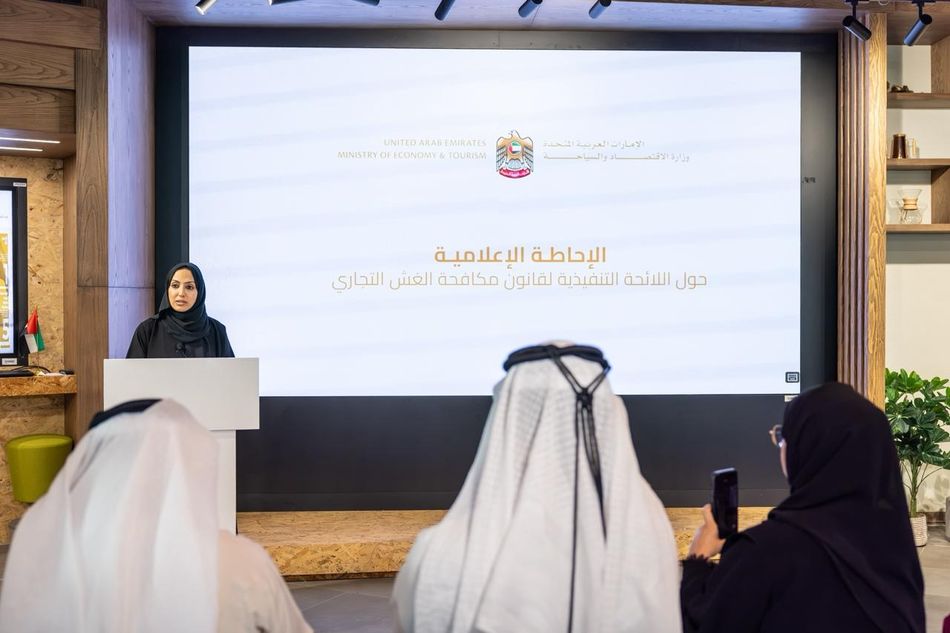
UAE Bolsters Anti-Commercial Fraud Framework with New Executive Regulations Abu Dhabi, UAE – The United Arab Emirates has taken significant steps to fortify its legislative and regulatory landscape against commercial fraud with the recent introduction of the Executive Regulations of Federal Law by Decree No. (42) of 2023 concerning Anti-Commercial Fraud. Issued under Cabinet Decision No. (107) of 2026, these regulations aim to enhance market integrity, protect consumer rights, and safeguard the interests of trademark owners within the nation’s dynamic business environment. During a recent media briefing, officials from the Ministry of Economy and Tourism highlighted the comprehensive nature of the new regulations, emphasizing their role in establishing robust mechanisms to address improper commercial practices. The framework is designed to improve compliance among commercial establishments and companies, while also boosting the efficiency of supervisory and enforcement procedures pertaining to commercial fraud and the trade of counterfeit, adulterated, or fake goods. Pillar of Market Integrity and Business Confidence A representative from the Ministry of Economy and Tourism underscored that combating commercial fraud is a fundamental pillar for fostering an efficient and transparent national economy that stimulates investment and innovation. The Executive Regulations mark a new milestone in modernizing market control mechanisms, aligning them with international best practices. These measures are expected to reinforce consumer protection against illicit goods, streamline seizure and inspection processes, and ultimately strengthen confidence in the UAE’s business environment, in line with the nation’s strategic vision. The regulations were developed to adapt to rapid market evolution and contemporary trade patterns, including the challenges posed by e-commerce. They aim to bolster the competitiveness of the internal trade system by enhancing coordination among national authorities and improving law enforcement efficiency. This comprehensive approach is crucial for maintaining market integrity and solidifying the UAE’s position as a leading global hub for commerce. Key Provisions for Enhanced Oversight and Enforcement The new Executive Regulations introduce several critical provisions designed to empower proactive market oversight and streamline enforcement: Inspection and Detection: Clear procedures are outlined for inspections, violation detection, and handling of counterfeit goods. Custody and Disposal: Regulations govern the custody of seized items and their disposal to prevent re-circulation, including structured procedures for destruction. Inter-Agency Coordination: Enhanced coordination and data exchange between the Ministry and competent authorities on enforcement actions are mandated. Administrative Penalties: Provisions for applying administrative penalties are detailed to elevate compliance levels and deter unlawful commercial practices. Governance and Transparency: Principles of governance and transparency are reinforced through documentation and traceability across all stages of dealing with seized items. Immediate Action on Illicit Goods The regulations prescribe specific and immediate procedures for addressing adulterated, spoiled, or counterfeit goods. Suppliers are now required to cease sales and withdraw affected items from markets and warehouses within 24 hours of receiving notification. Furthermore, all points of sale must be notified to withdraw these goods, with public announcements made within 48 hours in both Arabic and English, detailing the goods and associated trademarks. The Ministry or competent authority will take custody of such goods at the violator’s expense, with provisions for immediate withdrawal by authorities if suppliers fail to comply. An integrated framework for the safe disposal and destruction of illicit goods has also been established. This includes provisions for use or recycling where feasible and environmentally beneficial, and clear procedures for destruction to prevent re-use or re-circulation. The Supreme Committee for Combating Commercial Fraud will review applications for use, recycling, or destruction before judicial referral. In specific cases, re-export to the country of origin is permitted within 30 days if the goods pose no health or safety risks and no destruction order has been issued. Destruction operations, based on court judgments or Supreme Committee decisions, must be carried out by a joint team or approved specialized entity within 15 working days. Administrative Penalties and Conciliation Procedures The regulations stipulate administrative fines for traders who are proven to have known, or should have known through their professional expertise, that adulterated, spoiled, or counterfeit goods were harmful. This extends to various categories including pharmaceutical drugs, agricultural produce, organic food products, re-circulation of unfit goods, and engaging in misleading promotion or providing false data. Furthermore, the regulations introduce conciliation procedures, allowing violators to submit a request within 10 working days of notification. The Ministry or competent authority will review the request within 15 working days. Conciliation may be approved if no prior penalties were incurred within the last 12 months, the violation was unintentional, the causes of the violation are rectified, and the conciliation amount is deposited. While conciliation offers an avenue for resolution, it does not absolve the party from civil liability for any damages caused. The Ministry of Economy and Tourism affirmed that the primary objective of these regulations extends beyond mere penalty imposition, aiming instead to cultivate a robust culture of compliance, support legitimate commercial establishments, and elevate consumer protection standards. The Ministry encourages commercial establishments, trading companies, suppliers, and distributors to adhere strictly to the new provisions and urges consumers to report any non-compliant practices, underscoring their crucial role in safeguarding markets and combating commercial fraud.

GCC IP Law: Essential Temporary Trademark Protection for Exhibitors
GCC Nations Reinforce Temporary Trademark Protection for Exhibitors Across the Gulf Cooperation Council (GCC), businesses introducing new brands, products, and services at trade fairs and exhibitions can leverage temporary trademark protection to safeguard their intellectual property. While this international concept is integral to the GCC Trade Mark Law, its practical application and awareness among exhibitors often remain limited. Trade exhibitions serve as crucial launchpads for innovation, yet they also pose a risk for new marks susceptible to copying or pre-emptive registration by third parties. Recognizing this, many jurisdictions worldwide provide interim intellectual property safeguards for displays at official events, a mechanism rooted in international conventions. An Established International Framework The foundation for temporary exhibition protection originates from Article 11 of the Paris Convention for the Protection of Industrial Property. This international treaty mandates member states to offer provisional protection for industrial property showcased at official or officially recognized international exhibitions. The specific procedures, requirements, and duration of such protection are then defined under each country’s national legislation, leading to variations in implementation. It is essential to distinguish temporary protection from exhibition priority. Temporary protection offers immediate, albeit short-term, safeguarding of a trademark during the exhibition itself, often evidenced by a temporary registration or certificate. Exhibition priority, conversely, allows an exhibitor to claim the exhibition date as a priority date when subsequently filing a formal trademark application within a specific period. This priority mechanism is not presently available within the GCC, though evidence of exhibition use can still be relevant in certain legal proceedings. GCC Trade Mark Law Provisions The unified GCC Trade Mark Law explicitly incorporates provisions for temporary protection of trademarks displayed at exhibitions. Article 21 of the Law, complemented by Articles 19 to 22 of its Executive Regulations, outlines the legal framework for obtaining this protection in GCC member states. Generally, applicants are required to: Notify the relevant Trademark Office at least one month prior to the exhibition’s commencement. Submit a prescribed application form along with copies of the trademark. Pay applicable official fees. Ensure the trademark meets standard registrability criteria. Upon successful application, the mark is recorded in a dedicated register, and a temporary protection certificate may be issued. This provisional protection is valid solely for the duration of the exhibition and is not a substitute for a full trademark registration, which is necessary for long-term safeguarding. Implementation Across the GCC United Arab Emirates: The UAE has integrated temporary exhibition protection into its national trademark legislation. Trademark owners planning to exhibit in official or internationally recognized exhibitions within the UAE can apply to the Ministry of Economy and Tourism. The application must be submitted at least one month before the exhibition begins. Once accepted, the mark is recorded, and a temporary protection certificate can be issued, remaining valid for the exhibition’s duration. The UAE has established an official fee for this service, and inquiries are currently directed via email to the Trademark Office until a new portal is available. Saudi Arabia: Saudi Arabia has similarly implemented the GCC provisions through its national laws and Executive Regulations. Businesses can secure temporary protection for trademarks exhibited at official events across the GCC, provided all statutory requirements are fulfilled. The Regulations also stipulate the issuance of a temporary protection certificate once an application is recorded. Qatar and Bahrain: While Qatar and Bahrain operate under the GCC Trade Mark Law, mandating temporary protection as per Article 21 and Executive Regulations 19-22, practical administrative mechanisms appear to be less defined. Neither jurisdiction’s Trademark Office has widely publicized dedicated official fees or introduced specific online filing services for temporary protection applications. Article 22 of the Executive Regulations implies that temporary protection certificates are issued only for exhibitions formally designated by official decision, suggesting a case-by-case approach. Exhibitors planning events in Qatar or Bahrain are therefore advised to seek local legal counsel well in advance to confirm the specific procedures. Strategic Considerations for Exhibitors Businesses aiming to launch new brands at exhibitions within the GCC should adopt a proactive approach: Verify if the exhibition qualifies as an official or officially recognized event. Confirm the availability of temporary protection in the specific jurisdiction. Prepare and submit applications at least one month prior to the exhibition opening, where required. Ensure the trademark is inherently registrable. File a standard trademark application promptly after the exhibition for enduring protection. Despite its underutilization, temporary exhibition protection offers a vital layer of security for businesses unveiling new brands at major trade fairs and industry gatherings across the GCC. Early engagement with these provisions can significantly mitigate the risk of intellectual property infringement before a formal, long-term trademark registration is secured.