
UAE Streamlines Document Legalisation, Enhancing Efficiency for Intellectual Property Procedures Dubai, UAE – The United Arab Emirates has introduced a significant procedural update concerning the legalisation of documents by its consulates abroad, a development poised to enhance efficiency and reduce administrative burdens for intellectual property (IP) practitioners and businesses operating within the UAE. The change primarily affects the attestation process for foreign-issued documents destined for use in the UAE. New Electronic Legalisation Format Introduced UAE Consulates outside the country have commenced issuing a new electronic format for legalisation pages. This updated format appears, in certain instances, to incorporate attestation by the Ministry of Foreign Affairs (MOFA) as part of the initial consular legalisation process. This integration marks a notable shift from previous requirements. Simplified Attestation Process Previously, documents legalised by a UAE Consulate abroad necessitated a subsequent attestation by the MOFA within the UAE before they could be formally utilised. With the advent of the new electronic legalisation page, which may now include the MOFA attestation seal, this additional step in the UAE could potentially be circumvented. For documents bearing both the UAE Consulate attestation and the MOFA attestation from abroad, the remaining requirements once in the UAE would be limited to: Translation of the document into Arabic. Attestation of the Arabic translation by the Ministry of Justice (MOJ). This streamlined approach is expected to significantly reduce the overall processing time for essential legal documents. Cost and Time Efficiencies for IP Sector The official fees for the combined legalisation process remain consistent, not exceeding AED 2,300. Crucially, if the MOFA attestation is already included on the consular legalisation page, no additional MOFA fee will be levied within the UAE, potentially leading to cost savings. This procedural enhancement holds particular relevance for the UAE’s robust intellectual property landscape. Legalised documents are fundamental to numerous IP procedures, including, but not limited to: Powers of Attorney for filings, renewals, oppositions, and enforcement actions. Recordals of assignments, mergers, and changes of name. Submission of evidence in opposition, cancellation, and enforcement cases. Management of cross-border IP portfolios and regional filings. The update is anticipated to shorten turnaround times for IP filings and recordals, improve cost management by eliminating redundant attestation steps, and better align with client expectations, particularly where statutory deadlines are critical. Facilitating Business and Regulatory Compliance This development aligns with the UAE’s broader commitment to refining its administrative processes, fostering a more efficient and user-friendly regulatory environment. For the IP sector, it translates directly into greater operational efficiency and smoother execution of client work. It is important to note that this update does not signify any alteration in the Ministry of Economy and Tourism’s requirements regarding Powers of Attorney at various procedural stages. While discussions on this matter are ongoing, no official relaxation of the legalisation requirement has been confirmed to date. The existing provision allowing for the late filing of Powers of Attorney at the time of new application submission remains in place. However, the introduction of this combined legalisation process can aid in obtaining duly legalised Powers more swiftly, offering a practical advantage in managing tight statutory deadlines.

Protect Your Business with an Expert Intellectual Property Lawyer Saudi Arabia
Introduction In today’s business world protecting your intellectual property is essential for securing long-term success. Whether you have a brand, an innovative invention, original content or a distinctive product design, professional legal guidance can help safeguard your valuable assets. Choosing an intellectual property lawyer Saudi Arabia ensures that your intellectual property rights are properly registered, protected and enforced under local regulations. AL ajaleen Law & Intellectual Property provides trusted services for businesses, entrepreneurs and innovators across Saudi Arabia offering personalized solutions that protect brands, patents, copyrights and designs with confidence. Why Intellectual Property Protection Is Intellectual property is more than just a legal concept, it’s one of the most valuable business assets you own. A registered trademark protects your brand identity, patents secure ideas and copyrights safeguard creative works from unauthorized use. As Saudi Arabia continues to encourage innovation and business growth through intellectual property regulations companies need reliable legal support to navigate registration procedures and protect their rights. Professional legal guidance helps businesses avoid disputes while ensuring compliance with the Kingdom’s intellectual property framework. Services Offered by an Intellectual Property Lawyer An intellectual property lawyer provides comprehensive legal support that helps businesses protect their assets throughout every stage of growth. These services are designed to minimize risks while maximizing protection. Key services include: Trademark registration and protection Patent filing and legal consultation Copyright registration Industrial design registration Intellectual property litigation Anti-counterfeiting legal support IP portfolio management Commercial consulting These services help businesses focus on innovation while ensuring their valuable intellectual property remains secure. Benefits of Hiring an Intellectual Property Lawyer Saudi Arabia Working with a legal professional provides several important advantages for businesses operating in Saudi Arabia. Strong Legal Protection Proper registration of trademarks, patents and copyrights gives businesses legal rights and better protection against infringement. Expert Knowledge of Local Regulations An experienced lawyer understands Saudi Arabia’s intellectual property laws and guides clients through the process with accuracy and efficiency. Registration Process Professional legal assistance helps prepare accurate documentation reducing delays and improving the chances of successful registration. Effective Dispute Resolution If intellectual property rights are violated, skilled legal representation can help resolve disputes through negotiation, enforcement actions or court proceedings when necessary. Increased Business Value A protected intellectual property portfolio strengthens investor confidence, enhances brand reputation and supports long-term business expansion. Why Choose AL ajaleen Law & Intellectual Property? Every business has unique legal needs and personalized legal strategies make a difference. AL ajaleen Law & Intellectual Property combines legal expertise with a client-focused approach to deliver practical intellectual property solutions. The firm’s experienced professionals work closely with startups, entrepreneurs and established companies to develop strategies that protect valuable intellectual assets. Whether registering a trademark, filing a patent or handling intellectual property disputes, clients receive dedicated legal support throughout every stage of the process. Their commitment to professionalism, transparency and timely service has earned the trust of businesses seeking intellectual property protection across Saudi Arabia and the Gulf region. Conclusion Protecting your ideas, inventions and brand identity is an investment in your company’s future. Choosing an intellectual property lawyer Saudi Arabia helps businesses secure valuable intellectual assets while reducing legal risks and supporting sustainable growth. AL ajaleen Law & Intellectual Property is committed to delivering legal solutions that help businesses protect their intellectual property with confidence providing trusted guidance that supports innovation and long-term success. Frequently Asked Questions Q1. What does an intellectual property lawyer do? An intellectual property lawyer helps businesses protect trademarks, patents, copyrights, industrial designs and other intellectual property rights while providing advice and dispute resolution. Q2. Why should I register my trademark in Saudi Arabia? Trademark registration provides ownership of your brand and helps prevent unauthorized use by competitors. Q3. Can startups benefit from property legal services? Yes. Startups can protect ideas, establish brand ownership early and create a stronger foundation for future business growth. Q4. What should I do if someone infringes my intellectual property rights? An intellectual property lawyer can assess the situation, recommend action, negotiate settlements and represent your interests through enforcement or litigation when necessary.

Protect Your Ideas with an IP Law Firm in Saudi Arabia
Introduction In today’s world where new ideas are very important, protecting intellectual property is very important for companies that want to grow with confidence. Whether you own a business, a family run company or a big company, making sure your trademarks, patents, copyrights and designs are safe can stop expensive problems and make your place in the market stronger. Choosing the IP law firm in Saudi Arabia makes sure your important things get the right legal help. AL ajaleen Law & Intellectual Property offers intellectual property services that are made for businesses all over Saudi Arabia helping customers keep their brands, inventions and creative work safe with good legal help and personal support. Why Intellectual Property Protection is Important Intellectual property is the ideas and work that make a business different from others. A company’s logo, product design, software, invention or creative content often takes years of work and new ideas. Without the legal help these important things can be copied or used wrong which can cause money loss and damage to a company’s reputation. Saudi Arabia is making its rules about property stronger to encourage new ideas and get more investment. Companies that work in the country get help by registering and protecting their intellectual property rights with legal help that makes sure they follow local rules. Full Intellectual Property Services A good team that deals with intellectual property law gives solutions that help companies keep their things safe at every step of growing. These services are made to lower risks while helping the business do well in the long run. Key services include: Trademark registration and keeping the brand Filing for patents and legal advice Copyright protection for creative works Registration for industrial designs Solving problems related to intellectual property Help to stop fake products Legal advice for businesses Help with starting a business and following the rules These services let companies focus on new ideas while their intellectual property is legally safe. Benefits of Working with an IP Law Firm in Saudi Arabia Using an experienced team for intellectual property gives many good things that help companies protect their place in the market. Good Protection for the Brand Registering trademarks helps make sure the company owns its brand while stopping others from using it without permission. Protection for New Ideas People who make things and companies can have the right to their inventions through proper patent help keeping their place in the market. Legal Risk Expert legal help stops mistakes in registration, missed deadlines and problems with rules that can cause expensive problems. Good Way to Solve Problems If someone uses intellectual property wrong, experienced lawyers give solutions through talking, taking action or going to court. Help for Growing the Business A business that has intellectual property has more value makes investors trust it more and helps the company grow into new places. Why Choose AL ajaleen Law & Intellectual Property? Every business has legal needs and special plans can make a big difference. AL ajaleen Law & Intellectual Property uses lots of knowledge with a way that puts the customer first to give real solutions for intellectual property. The company’s experienced people work with customers to understand their business goals before suggesting legal plans. Whether protecting a trademark, getting patent rights or solving problems with intellectual property, customers get help all the way through the legal process. Their promise to be professional, honest and give service has made them a trusted partner for companies looking for good help with intellectual property in Saudi Arabia and the Gulf area. Conclusion Keeping property safe is an investment in the company’s future success. Choosing the IP law firm in Saudi Arabia helps companies protect their important ideas, brands and new things while lowering legal risks. AL ajaleen Law & Intellectual Property is ready to give legal help that helps companies keep their important things safe with confidence giving trusted help that supports growing and being successful for a long time. FAQs Q1. What services does an IP law firm offer? An IP law firm helps with trademark registration, patent filing, copyright protection, industrial design registration and solving problems with property. Q2. Why should companies register trademarks in Saudi Arabia? Registering a trademark gives the company the right to own its brand. Helps stop others from using it without permission. Q3. Can small companies get help with property? Yes. Small companies can protect ideas, own their brand early and build a stronger base, for growing later. Q4. How can lawyers help with problems? They give advice, talk to find a solution and help the company in actions or court if someone uses the intellectual property wrong.
Protect Your Business with Expert Intellectual Property Legal Services in Saudi Arabia
Introduction In today’s moving business world protecting your ideas is just as important as growing your company. From trademarks and patents to copyrights and industrial designs every business needs legal protection to secure its competitive advantage. Choosing the intellectual property law firm in Saudi Arabia can help businesses avoid legal risks while protecting their valuable innovations. AL ajaleen Law & Intellectual Property provides trusted support for startups, entrepreneurs and established companies by offering professional intellectual property solutions designed to protect brands, inventions and creative works with confidence. Why Intellectual Property Protection Matters Intellectual property is one of the valuable assets a business owns. A unique logo, product design, invention, software or creative content represents years of effort and investment. Without legal protection these valuable assets may be copied, misused or claimed by others. Saudi Arabia has strengthened its intellectual property regulations to encourage innovation and attract investment. Businesses operating in the Kingdom should ensure their intellectual property rights are properly registered and protected to prevent disputes. Professional legal guidance makes the registration process smoother while ensuring compliance with regulations. Comprehensive Intellectual Property Services A professional legal team provides a range of services to protect businesses throughout their growth journey. These services help clients secure their rights while reducing complications. Some of the services include: Trademark registration and brand protection Patent filing and legal guidance for inventions Copyright registration for creative works Industrial design registration Intellectual property dispute resolution Anti-counterfeiting legal support Commercial legal consulting Business registration and legal compliance assistance By offering complete intellectual property solutions businesses can focus on growth while their valuable assets remain legally protected. Benefits of Choosing Professional IP Lawyers Working with intellectual property lawyers offers several advantages that can make a significant difference for businesses of all sizes. Stronger Brand Protection A registered trademark protects your business identity. Helps prevent competitors from using similar branding that could confuse customers. Protection for Innovation Inventors and companies investing in research and development can secure ownership of their inventions through proper patent protection. Reduced Legal Risks Professional legal guidance helps businesses avoid registration errors, missed deadlines and compliance issues that could lead to problems later. Faster Dispute Resolution If intellectual property rights are violated experienced lawyers can take legal action through negotiation, enforcement procedures or court representation when necessary. Long-Term Business Growth A protected intellectual property portfolio increases business value, strengthens investor confidence and supports expansion into international markets. Why Businesses Choose AL ajaleen Law & Intellectual Property Every business has legal needs and personalized legal strategies can make a significant difference. AL ajaleen focuses on understanding each client’s goals before developing solutions that align with their business objectives. The firm’s experienced legal professionals combine legal knowledge with a client-focused approach helping businesses protect their intellectual property efficiently and professionally. Whether a client needs trademark registration, patent protection or legal representation in an intellectual property dispute the team works to provide guidance throughout every stage of the process. Their commitment to professionalism, transparency and timely legal support has made them a trusted choice for businesses seeking intellectual property solutions across Saudi Arabia and the Gulf region. Conclusion Protecting your ideas today creates opportunities for tomorrow. Whether you’re launching a startup, expanding an established company or safeguarding innovations working with the right intellectual property law firm in Saudi Arabia can provide the legal protection your business deserves. AL ajaleen Law & Intellectual Property is committed to helping businesses secure their intellectual property rights through legal services, personalized guidance and dependable support that builds confidence for long-term success. FAQs Q1. Why should businesses protect their property in Saudi Arabia? Protecting property helps businesses secure their brand, inventions, creative works and competitive advantage while reducing the risk of infringement. Q2. What types of property can be registered? Businesses can register trademarks, patents, copyrights, industrial designs and other intellectual property rights depending on their needs. Q3. How can legal professionals help with trademark registration? They guide businesses through the application process, ensure documentation and help protect trademarks from potential legal challenges. Q4. Can startups benefit from property legal services? Yes. Startups can protect their ideas, establish brand ownership early and build stronger business foundations for future growth.
UAE: UAE University Registers Patent for Electric Mask
UAE University Secures Patent for Antiviral Electrical Mask Technology ABU DHABI – The United Arab Emirates University (UAEU) has successfully registered a patent for an innovative electrical mask designed to neutralize viruses. This intellectual property development highlights advancements in public health technology within the GCC region. The patented device addresses the critical challenge of virus accumulation on protective equipment, which can lead to secondary transmission. A multidisciplinary research team at UAEU developed a system featuring two flexible graphene electrodes connected to a power source. These fractal and interdigitated electrodes are engineered to create equal spacing between their “fingers.” The device is designed for attachment to various protective apparel, including face masks, utilizing a flexible plastic or polymer backing material that conforms to the user’s shape. Upon activation, the electrodes generate an electric field of approximately 20MV/m, causing a current to flow across or through any viruses located within or near the spaces between the electrodes. This process aims to either completely destroy viruses, partially destroy them, or at least incapacitate them to render them harmless. The device’s current rating and application period are adjustable to effectively target different types of viruses. While further development is anticipated before the concept can be fully integrated into personal protective equipment, the successful patent registration underscores the legal recognition of this scientific breakthrough. This patent provides legal protection for the innovative design, safeguarding the intellectual property rights associated with this novel antiviral technology developed in the UAE. The work is expected to stimulate further research into smart solutions for public health challenges, including future pandemics.

Dubai’s Globalpharma Eyes Early Regulatory and Patent Advantage for Ozempic Alternatives
UAE Drugmaker Eyes Generic Blockbusters Amid Patent Shifts and Regulatory Focus Dubai, UAE – A leading UAE-based pharmaceutical manufacturer, Globalpharma, a wholly-owned subsidiary of Dubai Investments, is strategically preparing to produce generic versions of high-demand blockbuster drugs, including those in the class of Novo Nordisk’s Ozempic and Eli Lilly’s Mounjaro. This move anticipates upcoming patent expiries and aligns with evolving regulatory landscapes. The company is actively pursuing international partnerships to develop peptide-based injectables, utilizing off-patent precursor ingredients. These ingredients are no longer under exclusive intellectual property protection, paving the way for generic alternatives of semaglutide and tirzepatide-based therapies. These drugs are well-known for their efficacy in managing type 2 diabetes and obesity. Dr. Basem Al-Barahmeh, General Manager at Globalpharma, confirmed that the company is collaborating with an international firm to source these off-patent precursors and advance the development of peptides. He highlighted that the precursor compounds for these products are already outside patent protection. Strategic Alignment with National Objectives Globalpharma’s initiative to enter the complex injectables market supports the UAE’s broader strategy to enhance local pharmaceutical production capabilities and reduce reliance on imported medicines. The company currently manufactures over 120 pharmaceutical products and exports to more than a dozen countries across the GCC, Africa, Eastern Europe, and Asia. The drugmaker is focused on establishing the necessary manufacturing, development, and analytical capabilities. Management stated that the company will be poised to produce generic alternatives locally once patent restrictions on the final products ease and all requisite regulatory approvals are secured. This proactive approach positions Globalpharma to capitalize on the increasing demand for these medicines. Global Patent Landscape and Access Discussions While the patent for semaglutide is set to expire in China by 2026, and in major markets such as the United States, Japan, and Europe in the early 2030s, discussions around affordability and earlier generic access are gaining momentum globally. The World Health Organization has recently advocated for improved access to these vital medicines. Information regarding semaglutide patents specifically within the UAE and the broader Gulf region is not publicly available. Partnerships and Regulatory Environment In a broader strategic move, Globalpharma has formalized four international agreements this year aimed at expanding its product pipeline. These include a biosimilar partnership with PharmaPrimes from Jordan and a licensing agreement with Canada’s BioSyent Pharma to introduce an oral iron supplement, FeraMAX, to the UAE market. Further agreements with Egypt’s Nerhadou and Spain’s Aora Health are intended to broaden access to functional supplements, underscoring the company’s diverse approach to market expansion and regulatory navigation for new product introductions. To encourage further localization of pharmaceutical production, industry stakeholders advocate for government-backed, multi-year procurement contracts. Such frameworks would provide manufacturers with greater financial predictability, de-risk investments in advanced production facilities, and foster a more robust domestic pharmaceutical industry.

GCC Legal Watch: Seres’ Novel EV In-Car Toilet Patent and Intellectual Property Landscape
Automotive Innovation Sparks Intellectual Property Discussion with In-Car Toilet Patent A recent development in the global automotive sector has drawn attention to the evolving landscape of intellectual property, as Chinese electric vehicle manufacturer Seres has successfully secured a patent for an “in-car toilet” system. This innovative concept aims to redefine passenger comfort and convenience during extended journeys, particularly in situations where access to conventional restrooms is limited. The patent protection granted to Seres underscores a strategic move in leveraging intellectual property rights for competitive advantage in a rapidly advancing industry. The design detailed in the patent describes a sophisticated folding or hydraulic toilet mechanism integrated directly into the vehicle’s seating structure. This system is envisioned for deployment in upcoming electric vehicle models. Beyond mere functionality, the patent application emphasizes advanced hygiene protocols. These include a vacuum-based waste management system coupled with specialized filters designed to mitigate odours, addressing critical concerns regarding cleanliness and practicality within a vehicle’s confined space. The stated benefits target long-distance travellers, individuals caught in traffic, and those traversing areas lacking adequate rest stops, offering a novel solution to a common inconvenience. The announcement of this patent has generated considerable discussion among automotive enthusiasts and the public. Reactions have been varied, with some observers hailing the innovation as a necessary future amenity that could significantly enhance travel experiences. Conversely, others have articulated concerns regarding the practical implementation, maintenance of hygiene, and potential safety considerations within a vehicle’s interior. As of now, the manufacturer has not disclosed any official timeline for the commercial launch of vehicles incorporating this patented in-car toilet system. The development highlights the increasing importance of robust intellectual property strategies in the automotive industry, where manufacturers are constantly seeking to differentiate their offerings through innovative features protected by patents.
UAE Regulatory Update: Partial Suspension of Several E-Services Announced
UAE Introduces Stricter Commercial Agency Regulations and Enhances Digital Government Services The United Arab Emirates is implementing significant changes within its legal and regulatory frameworks, particularly in the commercial agency sector and the enhancement of government digital services. A new law governing commercial agencies is set to come into effect, introducing more stringent conditions for operating within this domain. Concurrently, the Ministry of Economy has recently undertaken a temporary suspension of its e-services for system development, impacting various digital offerings vital for businesses and intellectual property protection. New Commercial Agency Law to Bolster National Participation A new Commercial Agency Law is scheduled to take effect on June 16, 2023, marking a pivotal shift in the regulatory landscape for commercial representation in the UAE. The legislation primarily restricts the business of commercial agencies to UAE nationals and public joint-stock companies where a minimum of 51% of the capital contribution is held by national entities. This measure aims to further empower local participation in key commercial sectors. The term ‘national capital contribution’ refers to the percentage of a company’s ownership or investment held by UAE nationals or national joint-stock firms. However, the new framework does allow for exceptions. Under specific conditions and with the explicit approval of the UAE Cabinet, foreign companies may still be permitted to serve as commercial agents for their own products, offering a degree of flexibility within the new regulations. Ministry of Economy Upgrades Digital Infrastructure In a separate development, the Ministry of Economy in the UAE recently announced a temporary suspension of its e-services to facilitate system development and enhancement. The suspension, which allowed for critical upgrades, impacted a range of essential digital services. These services include those related to trademark registration, patent applications, industrial designs, consumer protection, and anti-money laundering compliance, among others. The initiative underscores the Ministry’s commitment to continuously improving its digital infrastructure to provide more efficient and robust services to residents and businesses across the Emirates.
UAE: Abu Dhabi Commercial Court Halts Global Trademark Infringement
Abu Dhabi Commercial Court Issues Landmark Ruling Against Trademark Infringement Abu Dhabi, UAE – The Abu Dhabi Commercial Court has delivered a definitive ruling to halt the unauthorized use of a globally recognized fashion and e-commerce trademark, following proven infringement by a local retail establishment operating without proper licensing or consent. The case was initiated by the intellectual property owner after discovering a local store had unlawfully utilized its registered trademark on products, storefronts, advertising materials, and online promotional platforms. The complainant highlighted that this unauthorized usage created a misleading impression among consumers, suggesting an affiliation with the original brand, which exclusively conducts its operations through online channels without maintaining physical retail locations. Following a series of proceedings across multiple judicial tiers, the Commercial Court found in favour of the trademark owner, affirming their legal entitlement to safeguard their registered intellectual property from unauthorized exploitation. The court’s judgment underscored that such infringement constitutes a direct violation of both UAE national laws and international conventions pertaining to intellectual property rights. The court’s comprehensive order mandates the immediate cessation of all infringing activities. This includes the removal of the illicit trade name from the records of the Abu Dhabi Department of Economic Development and all other commercial registries across the UAE. Furthermore, the infringing store is permanently prohibited from employing the brand’s trademarks in any form, whether in its commercial designation, online presence, or social media platforms. The ruling also compels the store to cease the sale of all products bearing the infringing trademarks and to remove associated items, signage, and promotional content. The initial judgment was subsequently upheld on appeal, and the Court of Cassation affirmed the Commercial Court’s decision, rendering the ruling final and legally enforceable. This significant judicial outcome is anticipated to reinforce investor and international corporate confidence in the UAE’s robust judicial framework and its efficient response to cases with considerable economic implications, particularly concerning the protection of intellectual property assets.
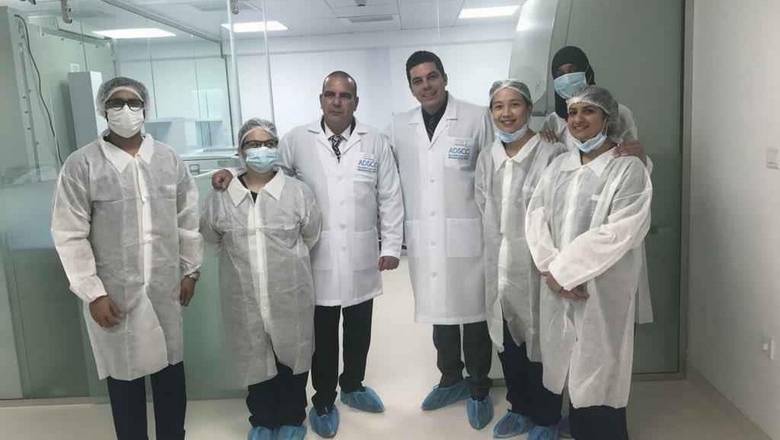
UAE Stem Cell Centre’s COVID-19 Treatment Breakthrough: Patent and Regulatory Compliance Implications
UAE Ministry Grants Patent for Groundbreaking COVID-19 Stem Cell Therapy Abu Dhabi, UAE – The United Arab Emirates’ Ministry of Economy has officially granted a patent for an innovative stem cell treatment developed to combat the novel Coronavirus. This significant intellectual property milestone underscores the nation’s commitment to advancing medical research and development within the region. The patented treatment, spearheaded by a team of doctors and researchers at the Abu Dhabi Stem Cell Center (ADSCC), involves a unique process. It entails extracting a patient’s own stem cells from their blood, activating them, and then reintroducing them into the body. Early reports indicate promising results from initial clinical trials focused on the safety of the treatment. According to reports from early May 2020, the initial phase of clinical trials successfully demonstrated the safety of the treatment, with no immediate adverse complications reported by individuals who received it. The therapeutic effect is hypothesized to involve the regeneration of lung cells and the modulation of immune system responses, preventing an overreaction to the COVID-19 infection. Trials to determine the full efficacy of the treatment remain ongoing. The granting of this patent by a key government body like the Ministry of Economy highlights the robust legal framework in the UAE that supports and protects intellectual property rights for groundbreaking scientific advancements. This development is expected to bolster the UAE’s position as a hub for medical innovation and research, with significant implications for public health and the commercialisation of advanced medical treatments.