
UAE-Linked Entity Faces Patent Infringement Suit Amidst European Defence Procurement Dispute DUBAI, UAE – A significant legal challenge has emerged in Germany involving a major defence procurement contract, directly impacting a company ultimately owned by a UAE-based corporation. C.G. Haenel, a German arms manufacturer whose parent company, Merkel Group, is owned by the UAE defence conglomerate Tawazun, is currently facing a patent infringement lawsuit filed by competitor Heckler & Koch. This development follows C.G. Haenel’s successful bid to supply the German Armed Forces with assault rifles, a contract previously held by Heckler & Koch for six decades. The dispute highlights the complex interplay of intellectual property law, public procurement regulations, and international corporate ownership in high-value commercial transactions. Procurement Challenge and Corporate Link The controversy began when the German Armed Forces’ procurement authority awarded the prestigious assault rifle contract to C.G. Haenel, marking a notable shift from its long-standing supplier. This decision prompted Heckler & Koch to file an application for review under public procurement law, compelling the authority to re-evaluate the contract award process comprehensively. Central to the corporate landscape of this dispute is the ownership structure of C.G. Haenel. The company is part of the German Merkel Group, which is a subsidiary of Tawazun, a prominent defence and security industry development corporation based in the United Arab Emirates. This ownership has drawn scrutiny regarding security considerations and broader commercial implications. Patent Infringement Claims Concurrently with the procurement review, Heckler & Koch initiated a patent infringement lawsuit against C.G. Haenel at the Düsseldorf Regional Court. The core of this legal action revolves around European Patent EP 20 18 508 B1, which protects a specific rifle-locking system. Notably, one of the original inventors named on this patent, Robert Hirt, previously associated with Heckler & Koch, now works for Caracal, another subsidiary of Tawazun. Hirt was reportedly hired by Caracal several years ago, along with other developers, to design an assault rifle. This personnel crossover further intertwines the patent dispute with the corporate relationships under scrutiny. Regulatory and Compliance Implications The unfolding legal battle carries significant implications for regulatory compliance in public procurement. German jurisprudence, including rulings from the Düsseldorf Higher Regional Court, stipulates that an awarding authority must assess whether potential infringements of industrial property rights could restrict a bidder’s ability to deliver. While authorities are not necessarily required to await the outcome of a lengthy patent dispute, they must evaluate the risk posed by such allegations to a manufacturer’s capacity to fulfill the contract. A critical question arising from the proceedings is whether C.G. Haenel adequately informed the German Armed Forces procurement authority about potential industrial property rights disputes in a timely and sufficiently detailed manner. Public procurement law obliges bidders to disclose information that could impact their ability to deliver, and a pending patent dispute clearly falls into this category. The resolution of these patent law allegations could fundamentally alter the landscape of the assault rifle manufacturing contract. The ongoing legal proceedings underscore the rigorous legal and compliance frameworks governing defence procurement in Europe and highlight the direct involvement of GCC-based entities in such complex international commercial and intellectual property disputes. The outcome will be closely watched for its precedents in both public procurement and intellectual property enforcement.

Mullen Files Global Patents for EV Crossover, Raising IP Considerations Across GCC
Electric Vehicle Manufacturer Secures Extensive Intellectual Property Rights Across GCC and Globally An emerging electric vehicle manufacturer, Mullen Automotive, has significantly expanded its intellectual property portfolio by filing over 130 design patents across 24 countries for its Mullen FIVE EV Crossover program. This strategic move includes successful patent grants and pending applications within several Gulf Cooperation Council (GCC) nations, signaling a robust legal framework to support its international market ambitions. Broad IP Protection for EV Design The extensive patent applications primarily cover the design and styling aspects of the Mullen FIVE EV Crossover. This includes a wide array of vehicle components, such as the exterior bodywork, headlights, taillights, doors, mirrors, rims, headliners, seats, and steering mechanisms. The objective is to safeguard the distinct visual identity and innovative aesthetic features of the electric vehicle against unauthorized replication. Globally, the company has filed 19 design patent applications in the United States, which are currently awaiting examination. Internationally, 117 design patent filings have been made across 17 distinct jurisdictions. Key Developments in GCC States Crucially for the GCC region, the manufacturer has already secured several design patents. Seven distinct design patents for the Mullen FIVE EV Crossover have been granted in Bahrain. Furthermore, patent protection efforts are well underway in other key GCC markets. Four design patent applications have been indicated as allowable in the United Arab Emirates. Additionally, 77 international design patent applications remain pending examination in various territories, including the UAE and Kuwait, among others. These filings underscore the company’s commitment to protecting its intellectual property assets in these rapidly developing automotive markets. Strategic Rationale for Global Patenting Commenting on the extensive patent activity, the CEO and chairman of Mullen Automotive emphasized the company’s commitment to making the Mullen FIVE EV Crossover available worldwide. The broad geographical scope of these patent filings, including those in GCC countries, is a testament to this global vision and the proactive approach to securing proprietary designs in anticipated future markets. Such comprehensive intellectual property protection is a critical element in establishing and maintaining a competitive edge in the evolving global electric vehicle industry, deterring infringement, and enhancing the value of the brand’s innovation.

GCC Businesses Prioritise Global Trademark and Design Protection
Navigating Intellectual Property Protection in the UAE: Key Strategies for Brand Owners Businesses aiming to establish or expand their presence in the United Arab Emirates are urged to adopt robust strategies for safeguarding their intellectual property, particularly trademarks and designs. Experts highlight that effective registration is fundamental for protecting, enforcing, and commercializing these crucial assets within the UAE market. A recent discussion among intellectual property professionals underscored the unique aspects of securing brand rights in the GCC region, with a specific focus on the UAE. The insights provided offer critical guidance for companies operating in an increasingly competitive global landscape. Essential Steps for Trademark and Design Protection in the UAE One of the foremost recommendations for brand owners in the UAE is the paramount importance of registration. Unlike some other jurisdictions, the UAE operates on a “first-to-file” principle, meaning that legal recognition and protection largely stem from formal registration. Without registered rights, businesses face significant challenges in defending against infringement or commercializing their intellectual property. Another vital consideration is local language branding and cultural sensitivity. When developing branding elements and marketing strategies for the UAE, companies must carefully consider local linguistic nuances and cultural sensitivities. This proactive approach can prevent potential misunderstandings and enhance brand acceptance and legal defensibility. It is often advisable to register local language versions of trademarks to secure comprehensive protection. Cost vs. Risk: The Imperative of Registration While the process of intellectual property registration in the UAE may involve higher costs compared to some other regions, experts stress that this investment is critical. The financial outlay for registration pales in comparison to the potential commercial risks and financial losses associated with unprotected rights. Without formal protection, brand owners are highly susceptible to their intellectual property being misappropriated, which can severely impact their ability to conduct business and enforce their rights in the UAE. Proactive registration acts as a shield against trademark piracy and unauthorized use, preserving a company’s market position and brand integrity. The strategic management of intellectual property, commencing with thorough registration, is therefore not merely a best practice but a commercial imperative for success in the UAE.

UAE Legal Update: Patent Registration Fees Abolished for Students and Young Researchers
UAE Ministry of Economy Unveils ‘Patent Hive’ Initiative to Drive Innovation and Intellectual Property Growth The UAE Ministry of Economy has launched a significant new initiative, “Patent Hive,” aimed at substantially boosting patent registrations and fostering a more dynamic innovation ecosystem within the nation. The project introduces key reforms, including fee waivers for young innovators and a drastic reduction in the patent registration timeline, reinforcing the UAE’s commitment to intellectual property (IP) development. Streamlined Registration and Fee Exemptions A cornerstone of the “Patent Hive” project is the waiver of registration fees for UAE students and young researchers who are under the age of 21, directly encouraging the next generation of innovators to protect their intellectual creations. This measure is complemented by a streamlined registration process designed to significantly reduce the time required to secure a patent. The new framework aims to cut the processing period from an average of 42 months down to just 6 months, a substantial improvement intended to accelerate the commercialisation of inventions. Strategic Objectives and Capacity Building The initiative is poised to increase the number of registered patents in the UAE, with a target of reaching 6,000 patents by 2026, up from the current 4,481. To support this ambitious goal, the “Patent Hive” project will also offer specialised training programmes and technical consultations. These capacity-building efforts, delivered in collaboration with the World Intellectual Property Organisation (WIPO), are designed to enhance the knowledge and skills of national cadres regarding the importance and protection of intellectual property rights. The launch event saw participation from representatives of various universities and research centres across the country, underscoring the collaborative approach to nurturing innovation. Bolstering Global Competitiveness According to statements from the Undersecretary of the Ministry of Economy, the development of the intellectual property sector is a fundamental pillar for advancing the national economy. The “Patent Hive” project is expected to enhance the UAE’s global competitiveness in innovation and creativity, aspiring to position the nation as a leading global centre for the new economy and secure a place among the top 15 countries in the Global Innovation Index. This strategic move is part of a broader intellectual property system that the Ministry of Economy initially introduced earlier last year, developed in collaboration with both public and private sector partners. The project highlights the UAE’s proactive stance in creating a robust environment for IP protection and innovation in line with international best practices.
UAE Reinforces Intellectual Property Protection and Patent Registration
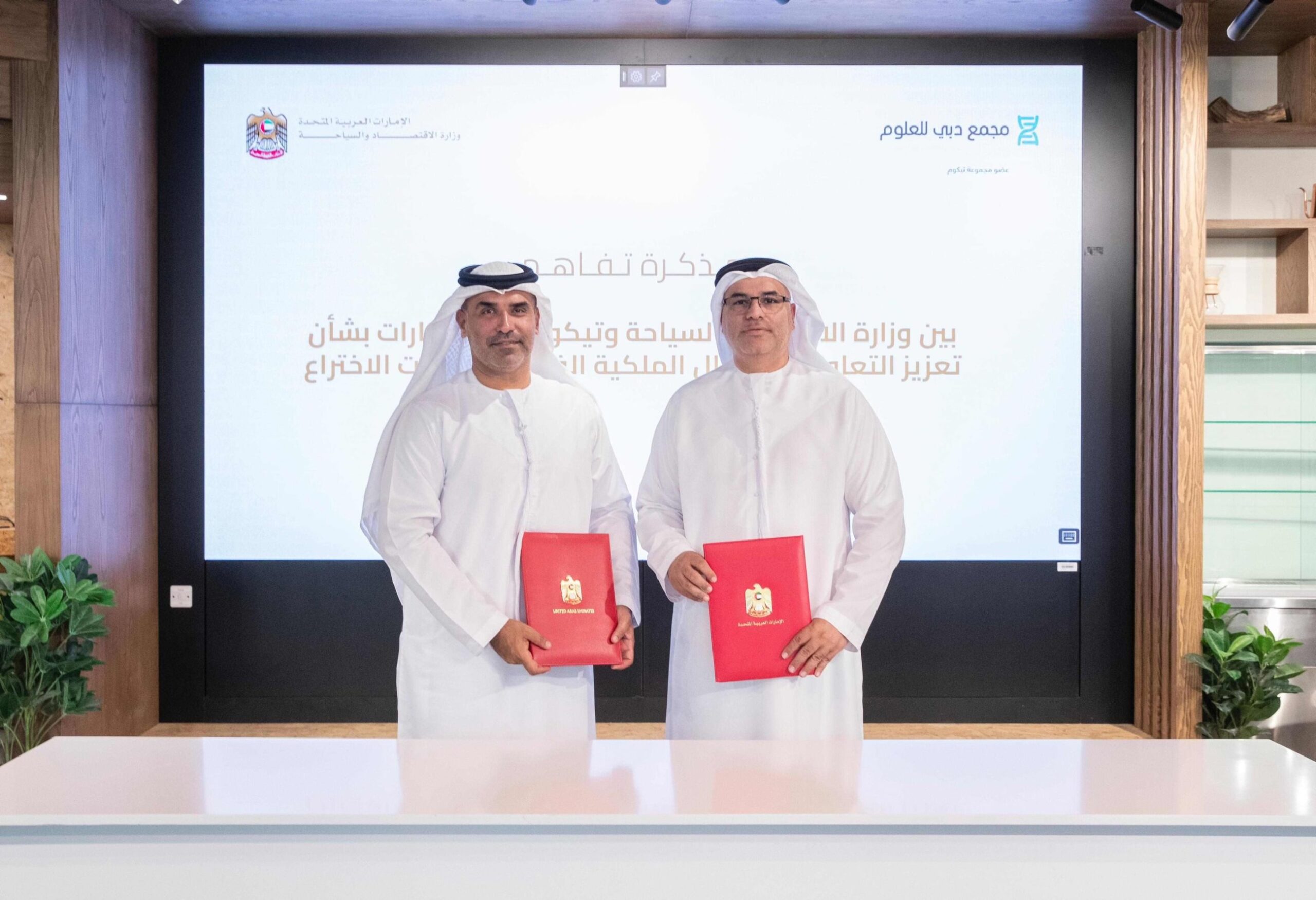
UAE Bolsters Intellectual Property Framework with Strategic Partnerships The United Arab Emirates is reinforcing its national intellectual property (IP) landscape through significant new collaborations aimed at enhancing patent protection and fostering innovation. The Ministry of Economy and Tourism has formalized a strategic alliance with Dubai Science Park, part of Tecom Group, designed to strengthen IP protection mechanisms and streamline patent registration. Domestic Collaboration to Boost Innovation This pivotal Memorandum of Understanding (MoU) was signed by Dr. Abdulrahman Al Muaini, Assistant Undersecretary for the Intellectual Property Sector at the Ministry of Economy and Tourism, and Marwan Abdulaziz Janahi, Senior Vice President of Dubai Science Park, Dubai Knowledge Park, and Dubai International Academic City, representing Tecom Group. The partnership is set to deliver crucial legal and technical assistance to entities operating within Dubai Science Park and across all other business districts under Tecom Group. This initiative is expected to significantly stimulate innovation and contribute to the UAE’s burgeoning knowledge-based economy. The collaboration aligns with the Ministry’s ongoing commitment to cultivating institutional synergies between public and private sector stakeholders. Its overarching goal is to realize national objectives related to creativity and innovation, thereby solidifying the UAE’s position as a premier global hub for IP rights protection. Officials underscored the commitment to safeguarding the rights of creators and inventors by establishing a robust legislative and institutional framework tailored to the demands of a rapidly expanding, innovation-driven economy. This strategic alliance is also anticipated to accelerate the review and commercialization of patent applications, both domestically and internationally, thereby augmenting the economic value derived from national innovations. Evidence of growing engagement in IP protection is reflected in recent statistics. Between January and July 2025, the Ministry of Economy and Tourism recorded 1,221 patents, a notable increase from 466 during the same period in the preceding year. Furthermore, 2,430 new patent applications were received within that same period in the current year, compared to 1,996 in the corresponding period of 2024, indicating a rising awareness of IP’s critical role in the new economy. International Alliances for Global Best Practices In a further move to elevate its IP framework, the Ministry of Economy and Tourism has also entered into two separate Memoranda of Understanding with the Spanish Patent and Trademark Office and the Moroccan Industrial and Commercial Property Office. These international agreements aim to fortify cooperation in developing intellectual property in the UAE, aligning national practices with international benchmarks. These MoUs were concluded during the UAE delegation’s participation in the Sixty-Sixth Series of Meetings of the Assemblies of the Member States of the World Intellectual Property Organisation (WIPO) in Geneva, attended by Abdullah bin Touq Al Marri, Minister of Economy and Tourism. The agreements encompass several strategic areas, including advancing digital transformation within IP services, fostering talent development, and enhancing coordination in industrial property and patent registration processes. A key aspect of these partnerships involves leveraging advanced technologies, such as artificial intelligence, to bolster patent search and classification capabilities. These concerted efforts underscore the UAE’s strategic vision to transform innovative ideas into economically viable products and to cultivate a resilient, knowledge-based business environment.
UAE Regulatory Framework: Pilot MCDA Tool Recommended for Generic Medicine Procurement
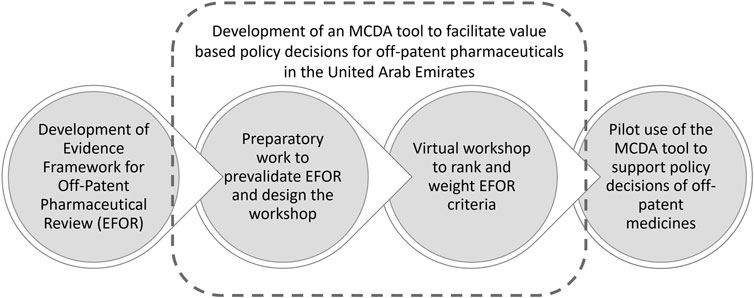
Dubai Introduces New Regulatory Framework for Generic Pharmaceutical Procurement Dubai, UAE – The Dubai Health Authority (DHA) has implemented a significant enhancement to its pharmaceutical procurement policies with the introduction of a new Multi-Criteria Decision Analysis (MCDA) tool. This regulatory innovation aims to support value-based purchasing of off-patent pharmaceuticals, commonly known as generic medicines, across the emirate. The move underscores the UAE’s broader strategic objective to bolster local pharmaceutical manufacturing and encourage the adoption of generic drugs. Shifting Focus to Quality and Value in Procurement The newly established MCDA framework represents a departure from solely price-driven procurement, placing a heightened emphasis on quality, clinical efficacy, and overall value. Developed through an extensive multi-stakeholder workshop facilitated by the DHA, the tool incorporates nine key criteria to evaluate off-patent pharmaceutical products. Analysis of the criteria ranking reveals a clear prioritization of quality elements. The top four criteria, collectively carrying significant weight, are: Real-world clinical or economic outcomes (19.8% weight) Quality assurance of manufacturing (17.3% weight) Evidence on the equivalence with the original product (14.8% weight) Drug formulation and stability (12.3% weight) Notably, the pharmaceutical acquisition cost, traditionally a primary consideration, ranked fifth with a 9.4% weight. Other criteria, including reliability of drug supply, macroeconomic benefit (local investment), pharmacovigilance, and added value services, received similar weights ranging from 5.5% to 7.7%. This weighting structure incentivises manufacturers to provide robust scientific evidence beyond standard regulatory requirements, particularly in areas of real-world effectiveness and quality improvement. Implications for Pharmaceutical Manufacturers and Market Dynamics This new regulatory approach is set to significantly influence pharmaceutical market dynamics in Dubai and potentially across the UAE. It signals a governmental intent to reward evolutionary innovation in generic medicines and incentivise manufacturers to invest in generating additional data on product quality and patient outcomes. Under existing regulations, the UAE applies both external and internal price referencing for pharmaceutical products. Locally produced generic products are required to be priced 30% lower than their innovator counterparts, while imported generics must offer at least a 40% discount. The integration of the MCDA tool complements these pricing rules by layering on quality-focused evaluation criteria, ensuring that cost savings are not achieved at the expense of patient outcomes or product reliability. The DHA’s initiative is poised to enhance transparency and consistency in decision-making processes for off-patent pharmaceuticals. This foundational framework is expected to be tested in an initial implementation phase, with potential for future adjustments based on real-world experience and broader stakeholder input. Furthermore, the success of this tool in generic medicine procurement may pave the way for similar MCDA frameworks to be applied to other health technologies, including biosimilar medicines, orphan drugs, and medical devices, thereby advancing value-based healthcare across the region.
UAEU Inventors Granted Patent for Self-Adaptive Wind Turbine, Strengthening GCC Intellectual Property Framework
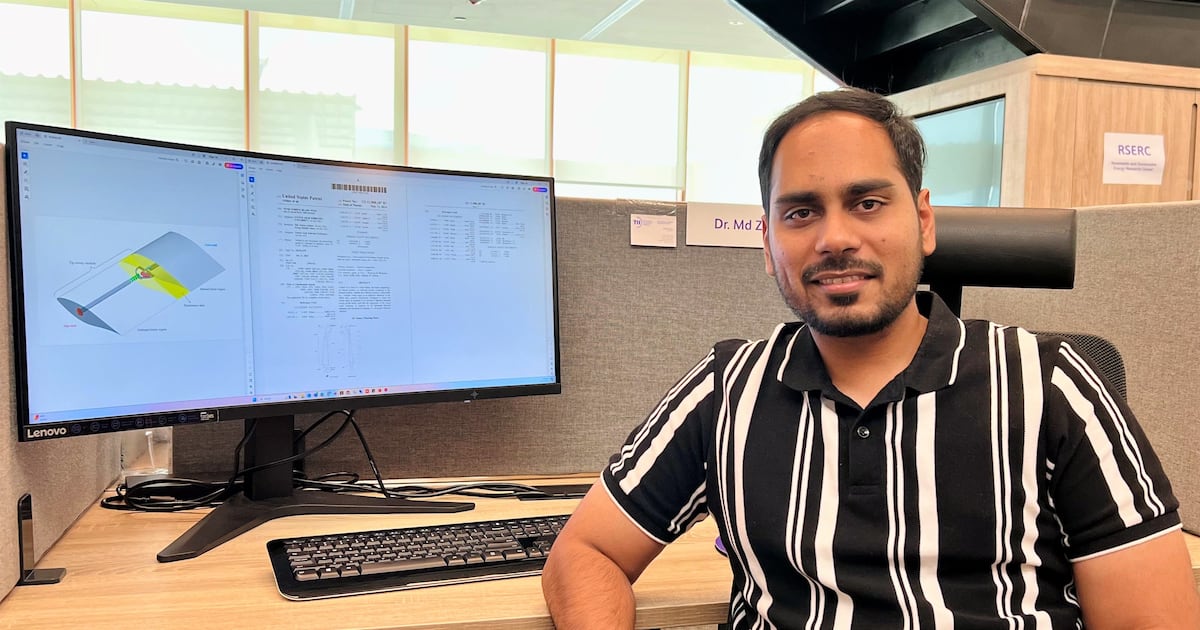
UAE University Secures US Patent for Advanced Wind Turbine Blade Design Abu Dhabi, UAE – An innovative wind turbine blade design developed in the United Arab Emirates has been granted a patent by the United States Patent and Trademark Office (USPTO). This intellectual property protection covers a novel “wind turbine blade with a self-adaptive tip sweep,” a significant advancement in renewable energy technology originating from the UAE. The patented design stems from research conducted by a UAE resident with an aerospace engineering background, who recently completed a PhD in mechanical and aerospace engineering from United Arab Emirates University (UAEU) in Al Ain. The concept applies aerodynamic principles commonly used in aircraft wing design to enhance the efficiency of wind turbine blades. Traditional wind turbines can face limitations in performance under extreme or low wind speeds, a challenge the new design aims to overcome. The “self-adaptive tip sweep” is engineered to improve the aerodynamics of the blade by reducing tip vortices and stabilising boundary layers. This passive mechanism, developed through extensive research, ensures that the modifications do not add unnecessary complexity or energy consumption to the turbine’s operation. As the principal applicant listed on the patent, UAEU now holds the potential to commercialise this groundbreaking invention. This development underscores the university’s role in fostering innovation and contributing to the UAE’s intellectual property landscape, particularly within the burgeoning clean energy sector. An associate professor of mechanical and aerospace engineering at UAEU is also credited as an inventor on the patent. The UAE has been actively promoting wind energy as a crucial component of its strategy to achieve net-zero emissions by 2050. The nation launched its first wind farm programme in October, with projections to power thousands of homes annually and significantly reduce carbon dioxide emissions. Such advancements in wind turbine technology, protected by international patents, are vital for enhancing the viability and efficiency of these large-scale renewable energy projects. Future patent applications are reportedly in progress to address potential noise reduction and wear-and-tear issues associated with existing wind turbine designs, further solidifying the UAE’s commitment to innovation in sustainable energy solutions.
Abu Dhabi Court Halts Trademark Infringement in Landmark UAE Ruling
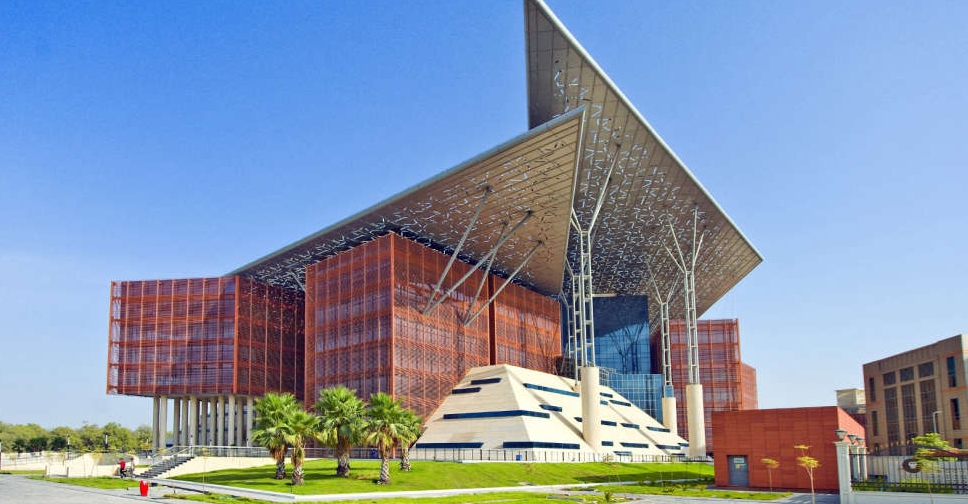
Abu Dhabi Court Upholds Landmark Ruling Against Trademark Infringement Abu Dhabi, UAE – The Abu Dhabi Commercial Court has issued a definitive judgment, ordering the immediate cessation of unauthorised use of a globally recognised fashion and e-commerce trademark by a local retail establishment. The ruling, which has been affirmed by the Court of Cassation, underscores the UAE’s robust commitment to protecting intellectual property rights. Background to the Case The legal action was initiated by the owner of the international trademark against a local store. The store had been illicitly employing the brand’s distinctive name and logo across its products, physical storefront, and digital platforms. This practice led customers to erroneously believe the local entity was affiliated with the original company, which operates exclusively online. The trademark owner sought legal redress to halt the deceptive commercial activities. Court’s Decisive Judgment Following a series of hearings across various judicial levels, the court found in favour of the trademark owner. The judgment mandates the immediate halt of all infringing activities. Key directives from the ruling include: The removal of the illicit trade name from all official records and commercial registries throughout the UAE. A comprehensive ban on the use of the infringing name and logo on social media channels and within physical retail outlets. The dismantling of all related signage and promotional materials associated with the unauthorised brand. The decision’s subsequent upholding on appeal and final confirmation by the Court of Cassation renders it fully enforceable across the Emirates. Strengthening Intellectual Property Framework Legal commentators view this court decision as a significant development, reinforcing investor confidence within the UAE’s commercial landscape. The outcome signals a clear message regarding the nation’s stringent stance against intellectual property violations, particularly trademark infringement. It highlights the proactive enforcement of legal frameworks designed to safeguard legitimate businesses and consumers from deceptive practices.
UAE Commercial Law: Pakistan Seeks Rollover of US$3 Billion Loan
UAE Considers Pakistan’s Request for $3 Billion Loan Rollover Abu Dhabi, UAE – The United Arab Emirates is set to consider a formal request from Pakistan for the rollover of a $3 billion financial deposit, highlighting the ongoing commercial and financial engagements between the two nations. The request pertains to funds previously placed by the UAE in Pakistan’s central bank to support its balance of payments. Official sources indicate that Pakistan’s leadership intends to formally address the UAE President, Sheikh Mohamed bin Zayed Al Nahyan, seeking an extension for three separate tranches totaling $3 billion before their respective maturity dates. Details of the Financial Arrangement The original $3 billion deposit from the UAE has been instrumental in supporting Pakistan’s financial stability. The first tranche of $1 billion is slated to mature on January 17, followed by another $1 billion on January 23. A third tranche, also amounting to $1 billion, is anticipated to mature in July of this year. The request from Pakistan aims to extend the terms for all three installments. Sources familiar with the matter have indicated that Pakistan currently incurs an interest rate ranging from 3% to 6.5% on the deposited funds. There is a potential for this interest rate to be adjusted upwards, possibly exceeding 6.5%, upon any agreement for a rollover. Implications for International Commercial Relations This development underscores the UAE’s prominent role in regional and international financial partnerships. Sovereign loan arrangements and their extensions are significant commercial contracts between states, reflecting strategic economic diplomacy and commitments. A decision on the rollover request would have notable implications for Pakistan’s immediate financial outlook and would further solidify the framework of financial cooperation between the UAE and its international partners. The consideration of such a request falls within the broader scope of international commercial law and government-to-government financial agreements.
UAE: DEWA Files Patent for Innovative Metal 3D Printing Extrusion Device
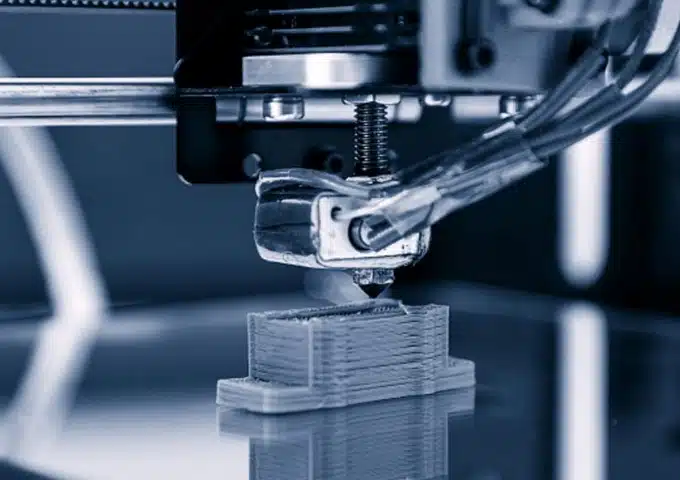
DEWA Files New Patent for Advanced 3D Printing Technology, Bolstering Dubai’s Innovation Ecosystem Dubai, UAE – The Research and Development Centre of Dubai Electricity and Water Authority (DEWA) has announced the filing of a new patent application for an innovative device designed to significantly enhance the process of metal 3D printing. This development underscores DEWA’s commitment to technological advancement and its strategic alignment with the UAE’s broader innovation agenda. The patent application details a novel extrusion device engineered to improve the melting and extrusion of raw metal materials onto a construction platform during 3D printing. A key feature of this invention is its ability to maintain optimal temperatures for raw metal materials, thereby enhancing printer performance, reducing operational costs, and decreasing energy consumption. The device’s modular design allows for easy attachment and detachment from 3D printers, offering greater flexibility and efficiency. Senior leadership at DEWA emphasized the importance of this intellectual property development. Saeed Mohammed Al Tayer, MD and CEO of DEWA, highlighted the R&D Centre’s vital role in advancing 3D printing capabilities and strengthening its competitive edge. He noted that such patents are integral to DEWA’s strategy of building advanced infrastructure and specialized software for additive manufacturing, which is crucial for overcoming challenges within the energy sector. DEWA currently leverages 3D printing for the production of prototypes and essential spare parts across its generation, transmission, and distribution divisions, contributing to the digitalization of its inventory. This patent filing also serves to consolidate DEWA’s active contribution to the Dubai 3D Printing Strategy. Initiated by His Highness Sheikh Mohammed bin Rashid Al Maktoum, Vice President and Prime Minister of the UAE and Ruler of Dubai, this strategy aims to position the UAE and Dubai as a leading global hub for 3D printing technology by 2030, leveraging the technology for humanitarian benefit. Waleed Bin Salman, Executive Vice President of Business Development and Excellence at DEWA, further stated that the research and patents originating from the Centre reinforce its standing as a global platform for innovative solutions within the utility sector. This enhances DEWA’s international leadership and solidifies Dubai’s global position in critical research and development areas such as solar energy, smart grids, energy efficiency, water management, and capacity building. DEWA continues to integrate 3D printing into its internal operations, printing spare parts and extending the lifespan of vital equipment.